Explore our premium selection of Class III medical devices, customized to address specialized orthopedic, trauma, and spine surgery requirements within the Australian Capital Territory (ACT) health system.
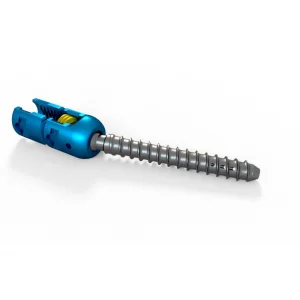
As the metropolitan heart of the Australian Capital Territory, Canberra acts as the pivotal healthcare anchor for a regional catchment area extending deep into southeastern New South Wales. Medical institutions such as The Canberra Hospital (TCH) and private operators like National Capital Private Hospital manage complex reconstructive surgeries, acute hand and foot traumas, and micro-extremity reconstructions. The demographic pattern of the region—characterized by active lifestyles, competitive sporting cultures, and an aging population—has created a steady clinical demand for biomechanically optimized, anatomical plating systems and spinal constructs.
In upper and lower extremity surgeries, including proximal humerus fractures and complex tarsal/metatarsal stabilization, orthopedic surgeons in the ACT depend on medical hardware that combines precise anatomical pre-contouring with reliable lock-screw mechanics. Standard implants often require extensive intraoperative contouring, which increases operating theater times and risks structural fatigue of the titanium alloy. Consequently, the Canberra supply chain is transitioning toward specialized regional suppliers that offer clinically proven, CE-marked Class III surgical implants designed for immediate osteointegration and stable, load-bearing performance.
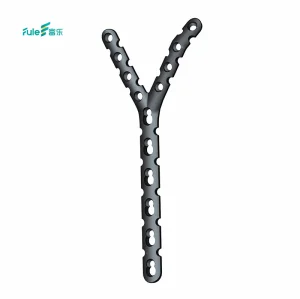
Humeral, clavicular, and distal radius trauma demands precise structural stabilization. The biomechanical stress placed on the upper limb during daily activities and post-surgical rehabilitation requires high fatigue resistance. Our titanium humeral locking plate systems utilize Grade 5 Titanium Alloy (Ti-6Al-4V ELI), which matches the native modulus of bone more closely than stainless steel, reducing stress shielding.
This mechanical superiority reduces the risk of hardware failure in osteoporotic patients, which is a major concern for orthopedic practitioners in Canberra's geriatric healthcare sector.

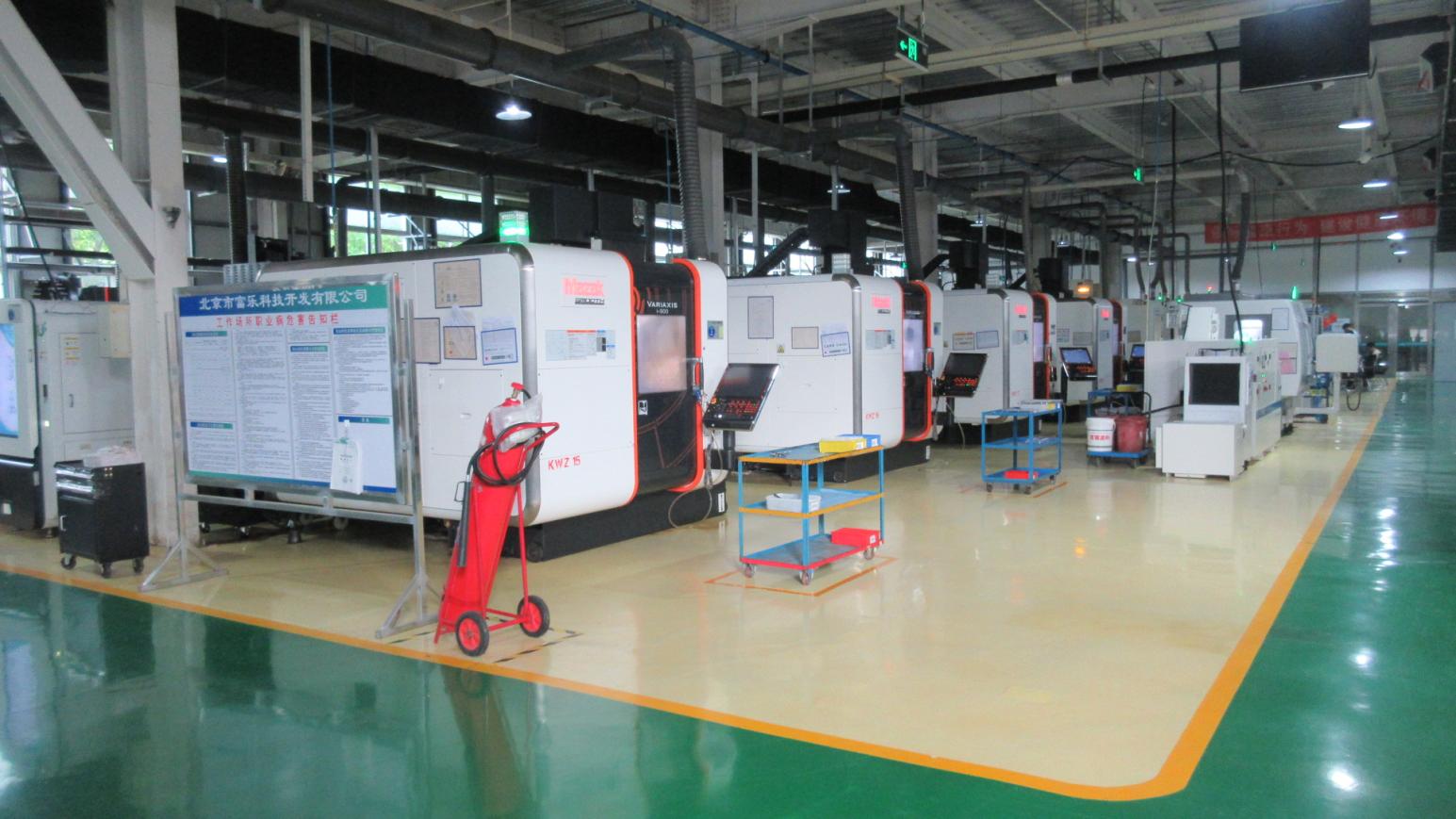
With 29 years of medical device engineering expertise, Beijing Fule Science & Technology Development Co., Ltd. operates a 10,000 square meter Class 100,000 cleanroom manufacturing facility. Below is an overview of our operational capabilities, supporting international B2B sourcing agents and medical distributors:
| Quality Control Parameter | Operational Standard / Methodology | Compliance Certification |
|---|---|---|
| Raw Material Traceability | 100% trace verification of high-grade Titanium / PEEK batches | ISO 13485 / CE Class III |
| Manufacturing Environment | Class 100,000 Cleanroom with constant environmental monitoring | GMP Compliance |
| Product Inspection | Full dimensional and biomechanical testing on all batches | Inspection of all products |
| R&D Capability | 20 Dedicated R&D Engineers (15 Graduate, 5 Junior College) | Customization, OEM & ODM |
Modern orthopedic trauma management relies on the compatibility of locking systems with anatomical variants. Our locking plate configurations use combi-holes, allowing surgeons to choose dynamic compression, locking fixation, or a combination of both. In Canberra’s acute settings, this flexibility helps trauma teams adapt to unpredictable intraoperative findings.
Extensive anatomical mapping ensures the plate profile fits the proximal humerus and tibia with minimal manual bending, protecting the structural integrity of the titanium alloy.
Enables screw angling of up to 15 degrees, allowing targeted fixation of articular fragments and addressing complex comminuted joint fractures.
Advanced anodization surface treatment minimizes soft tissue irritation and reduces protein adhesion, lowering the risk of post-operative infection.

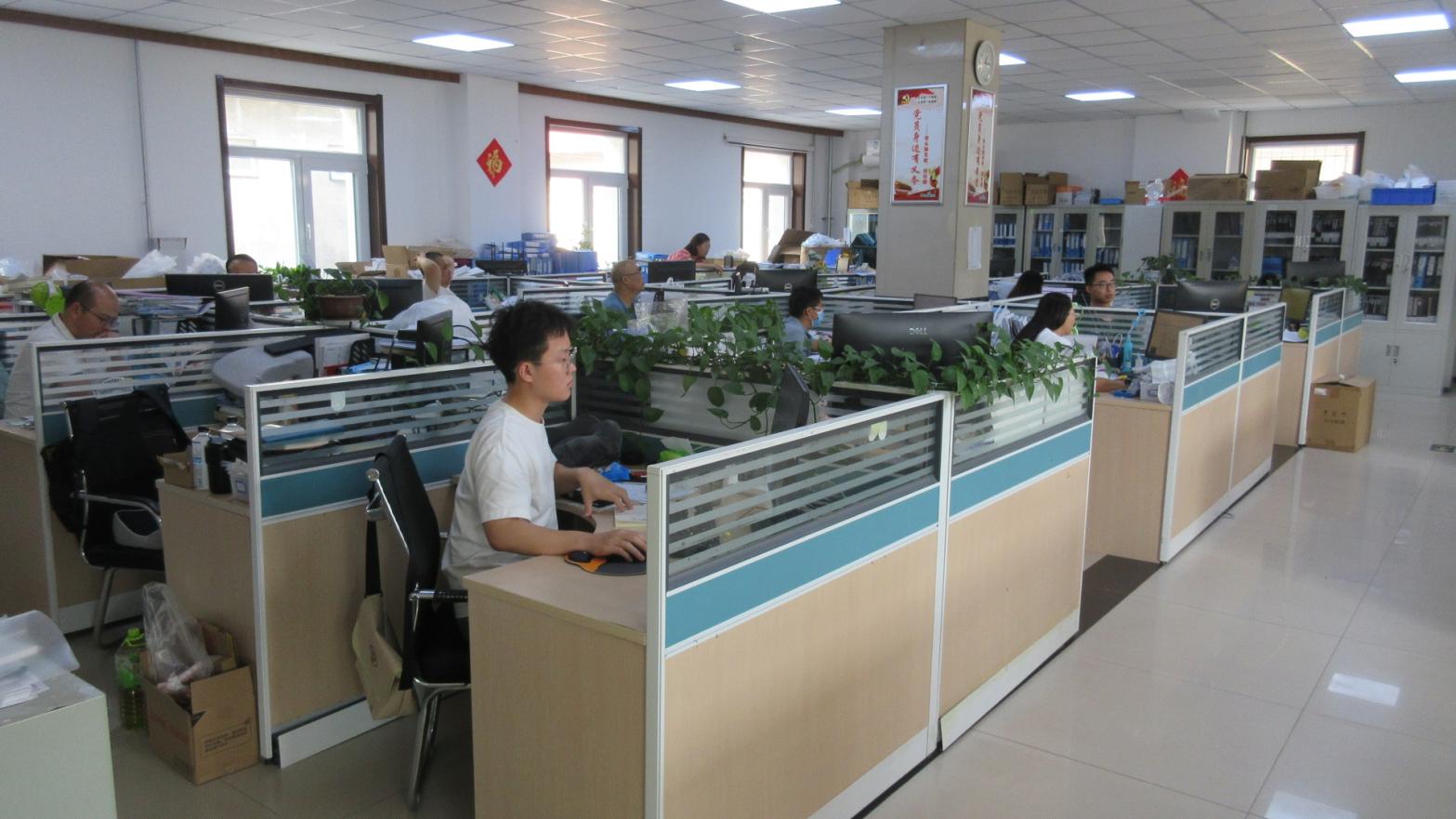
Navigating the regulatory landscape of the Therapeutic Goods Administration (TGA) in Australia requires rigorous documentation and transparent manufacturing processes. Beijing Fule supports our Canberra distributors and institutional procurement offices by providing complete technical dossiers, sterilization validation reports, and raw material mill certificates.
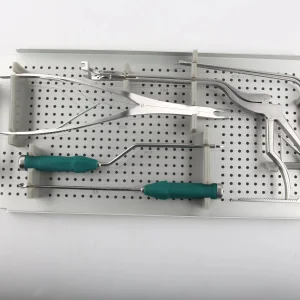
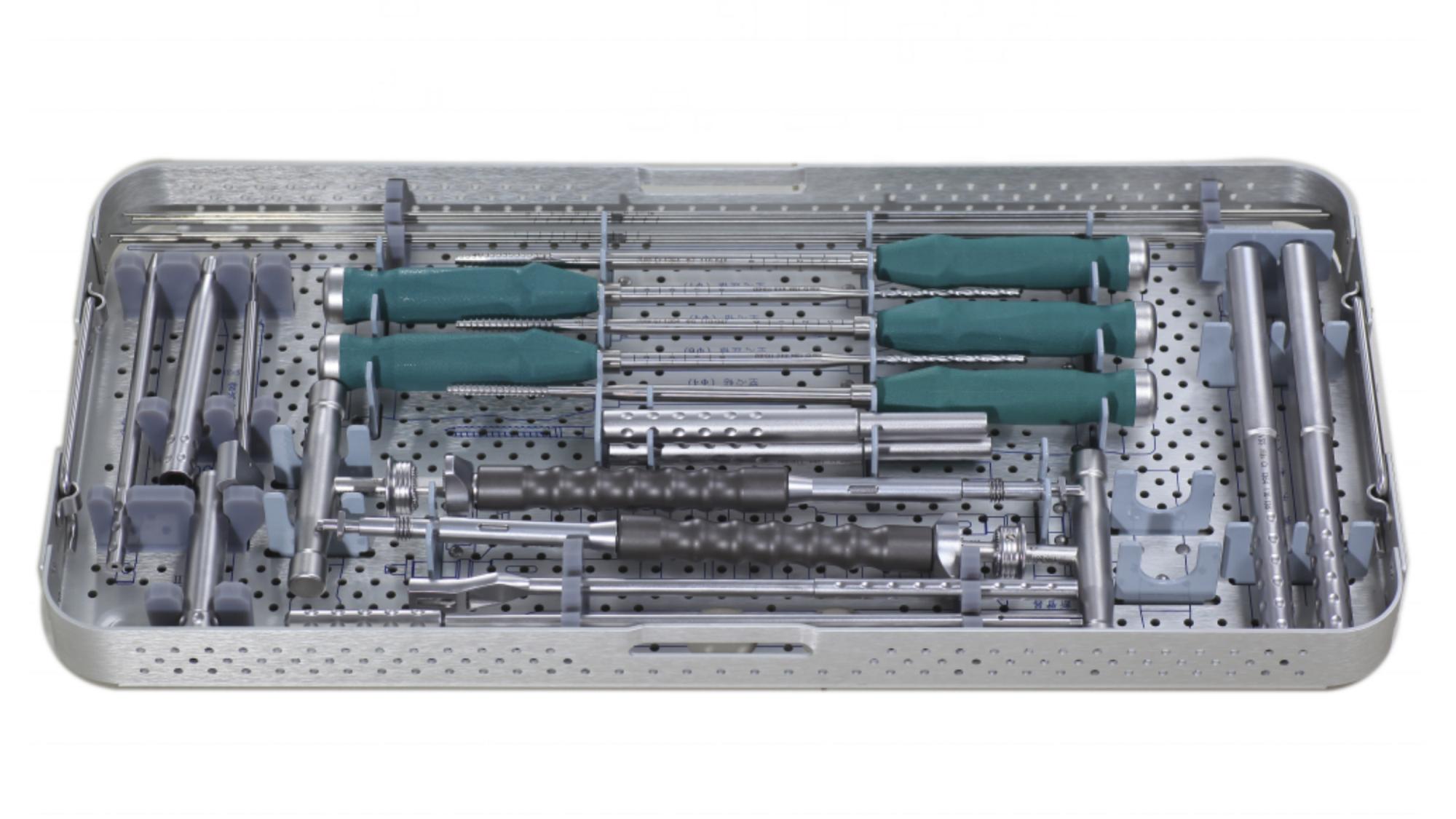
By streamlining our supply chain from the manufacturing floor directly to Australian distribution hubs, we eliminate unnecessary distribution layers. This direct-to-market structure enables B2B buyers to optimize procurement budgets while maintaining clinical efficacy. Additionally, our comprehensive instruments sets (such as the Broken Screws Removal Instruments) prevent intraoperative delays, ensuring backup solutions are readily available in the operating theater.
Recognizing that specific populations present unique anatomical challenges, our R&D department provides customized sizing and packaging formats for orthopedic distributors. Backed by 20 senior R&D engineers, we specialize in:
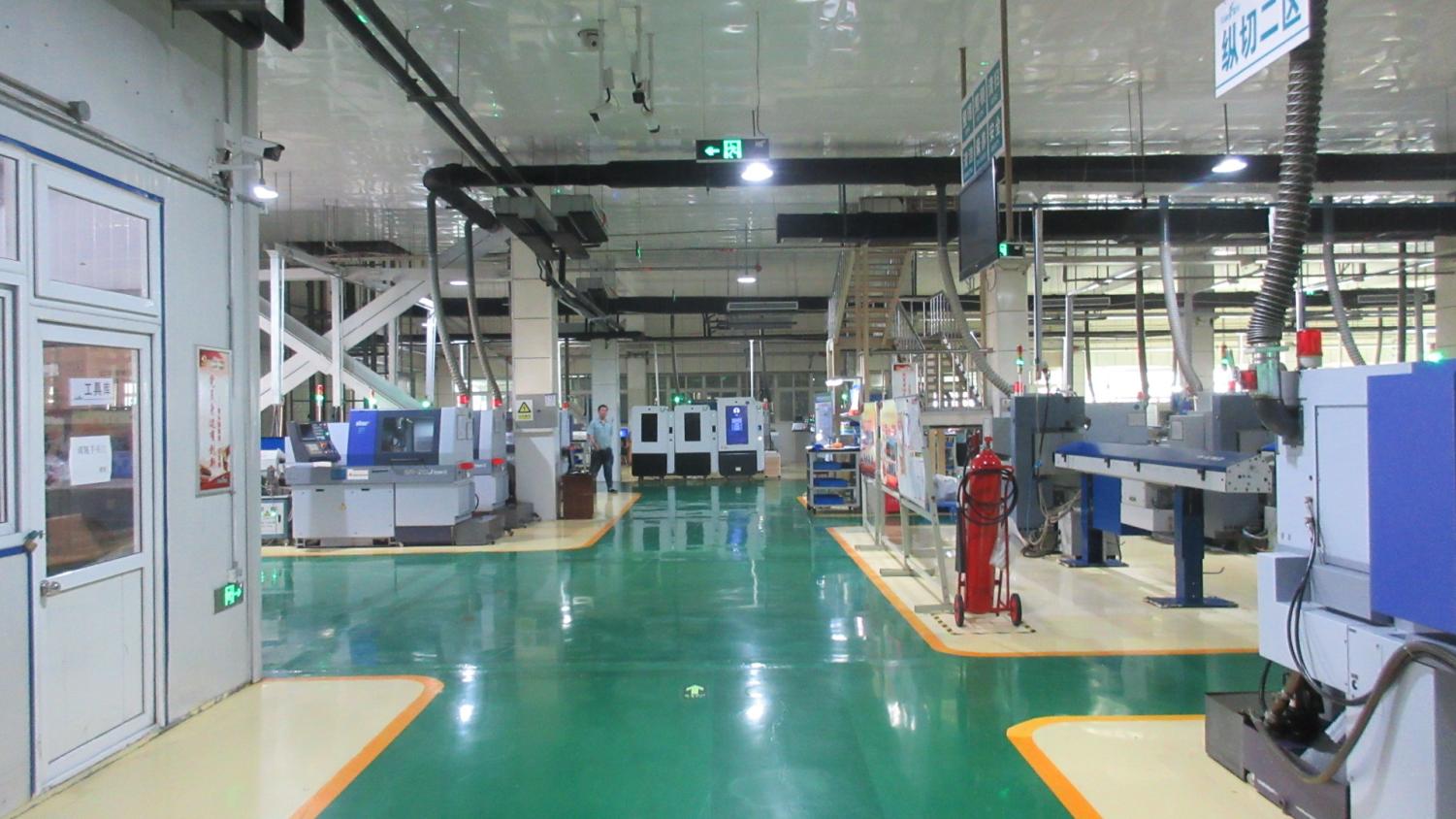
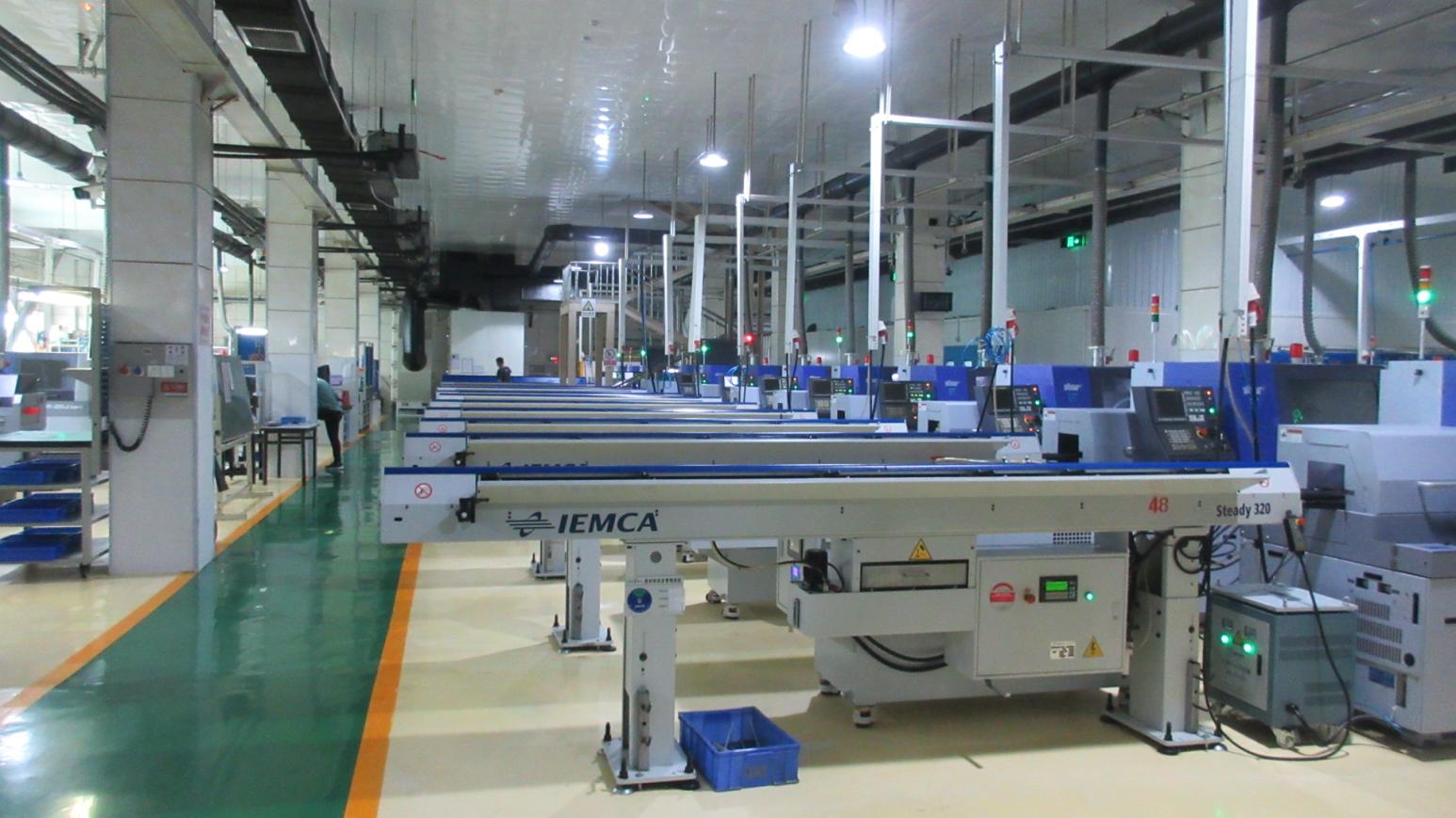
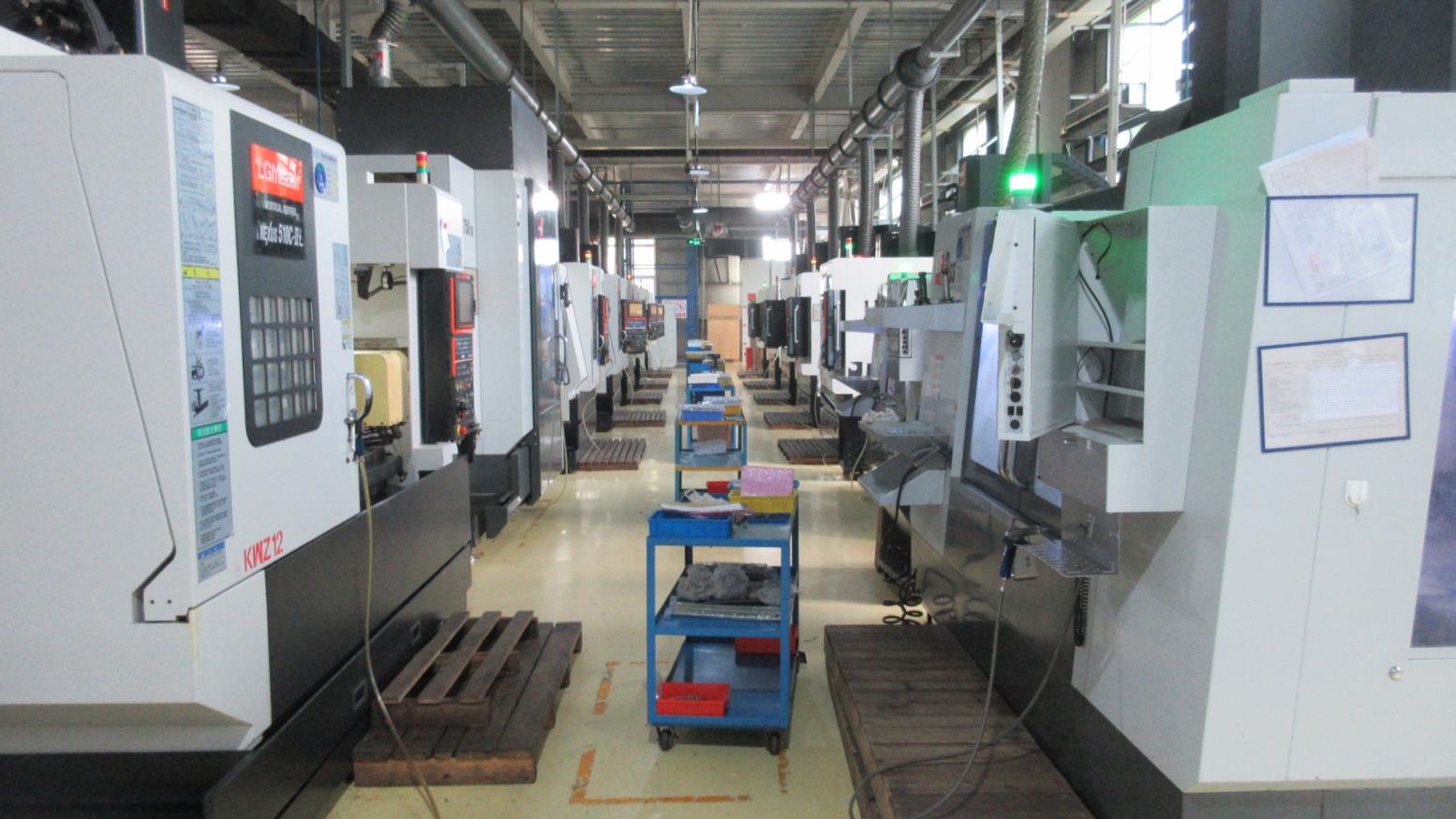
Our manufacturing facility utilizes high-speed Swiss-type longitudinal CNC lathes, multi-axis machining centers, and automated optical measurement systems. This equipment allows us to keep manufacturing tolerances within the micrometer scale, ensuring consistency across every titanium screw and spinal plate.
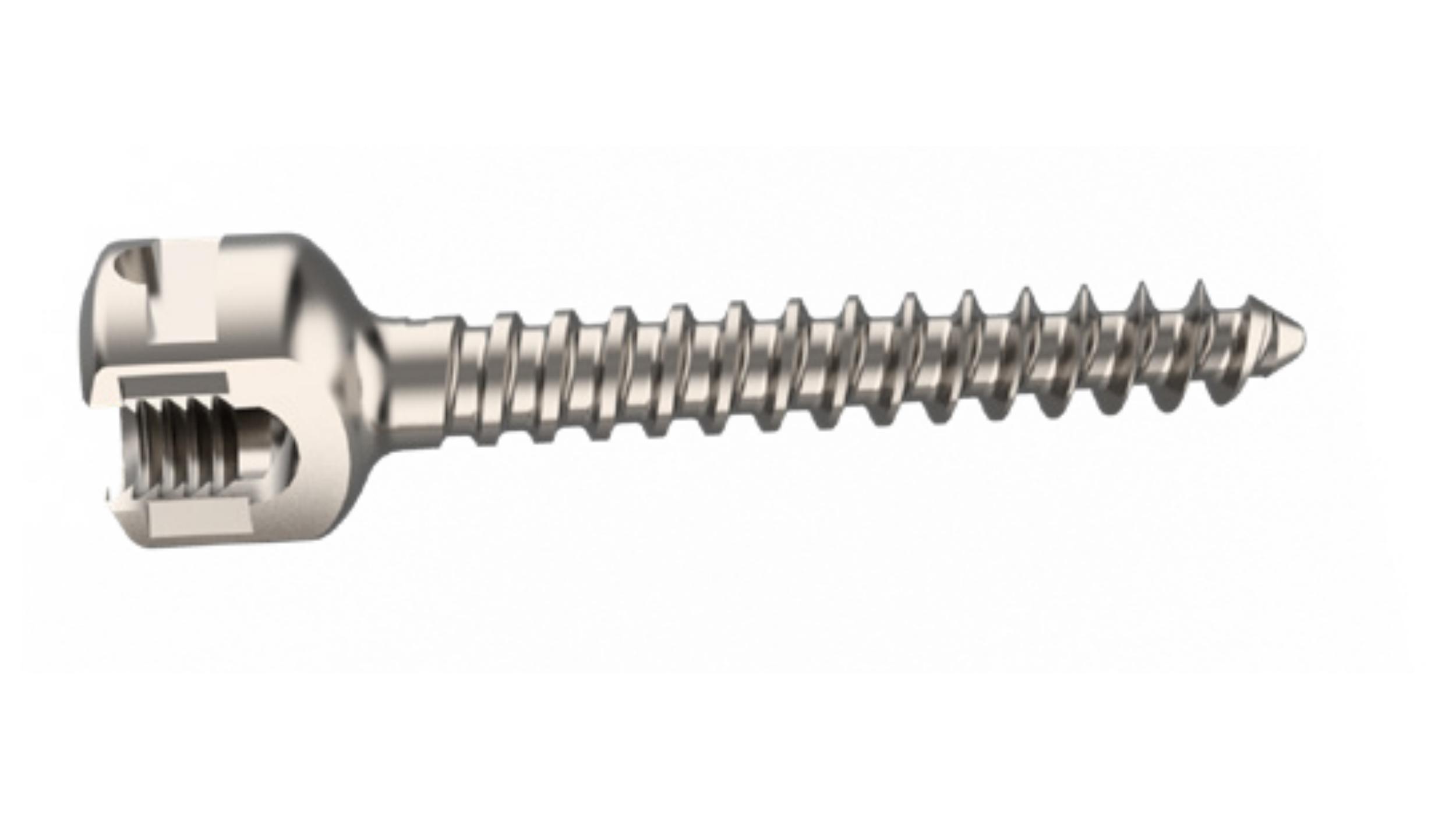
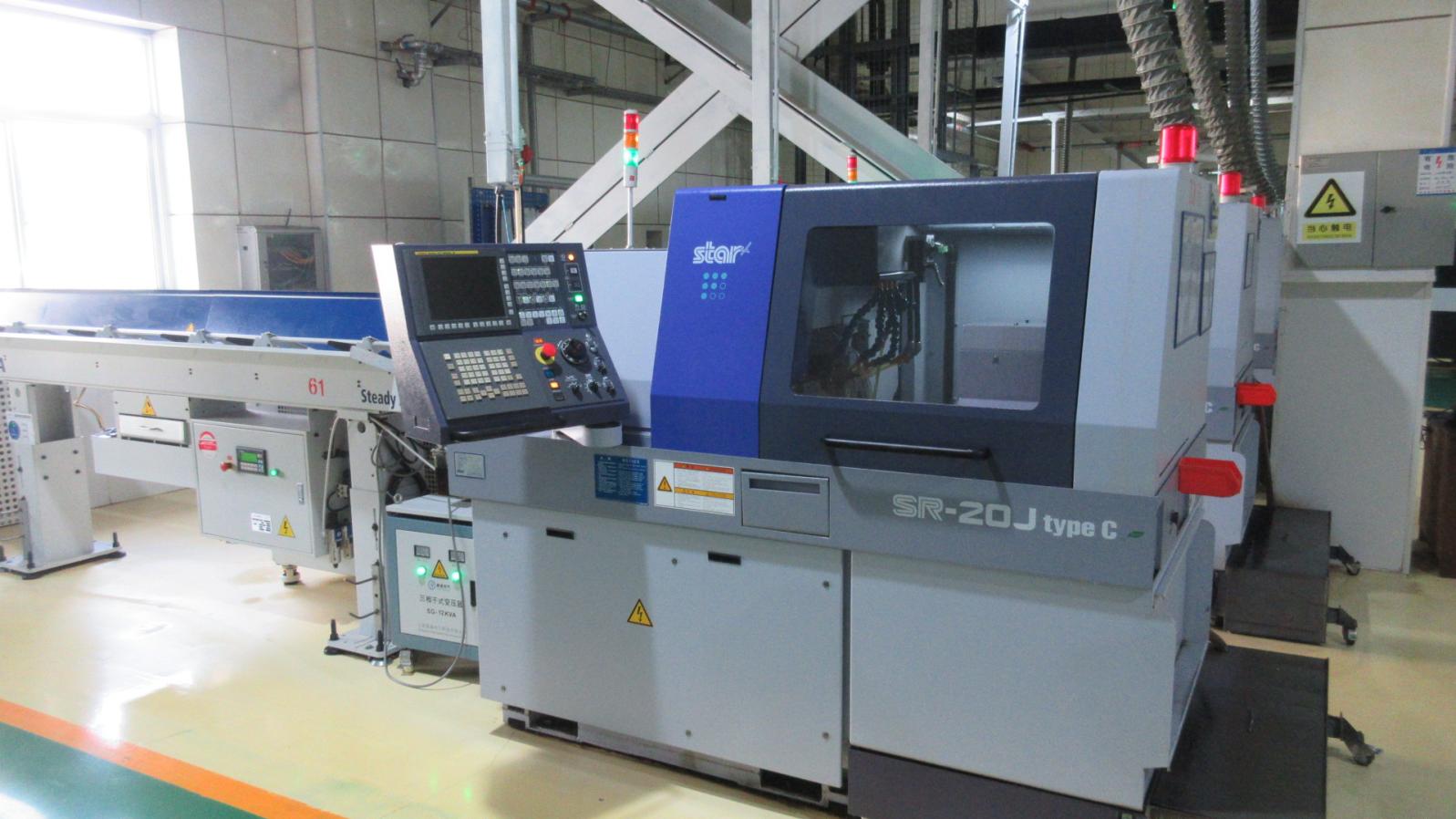
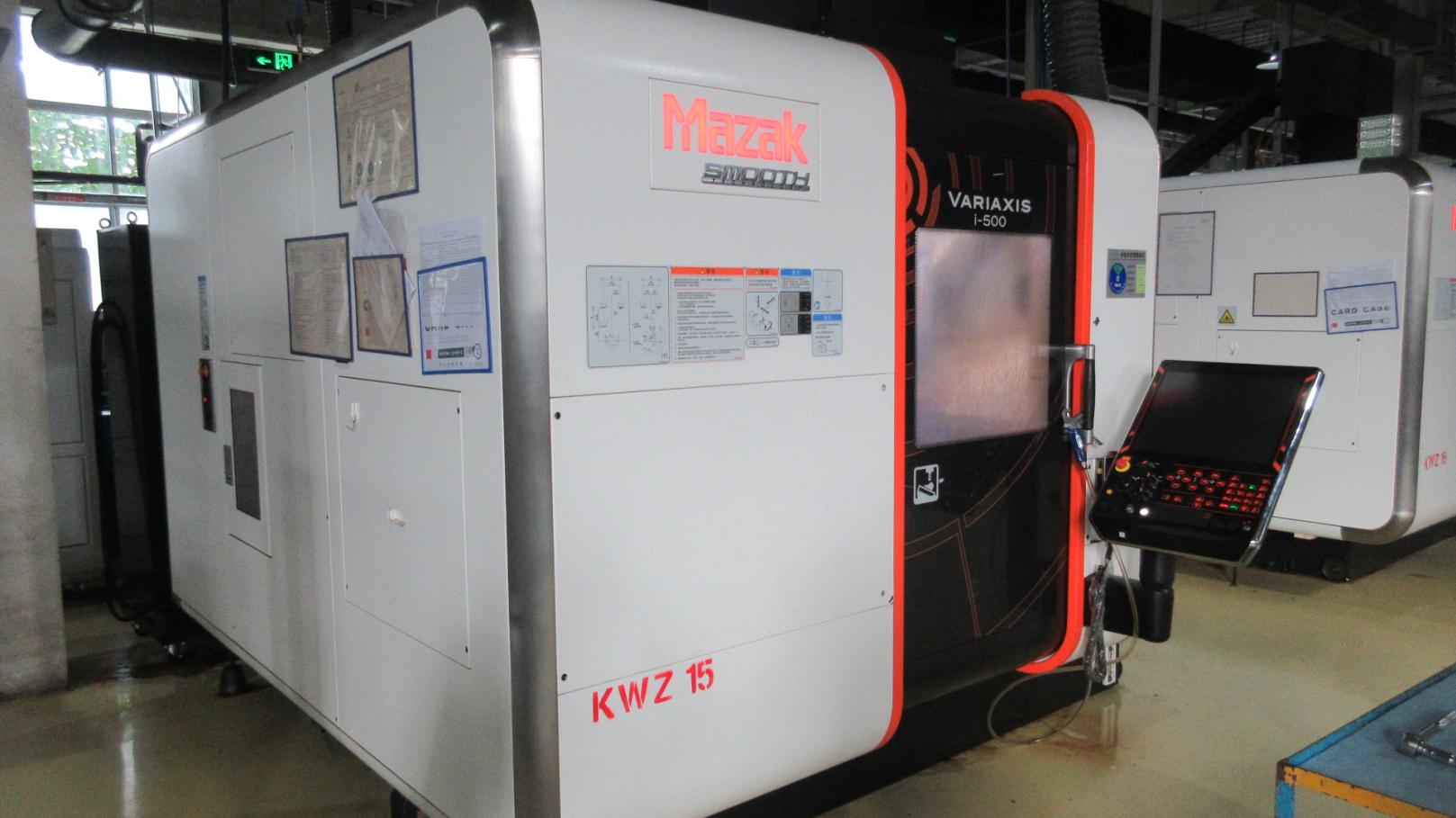
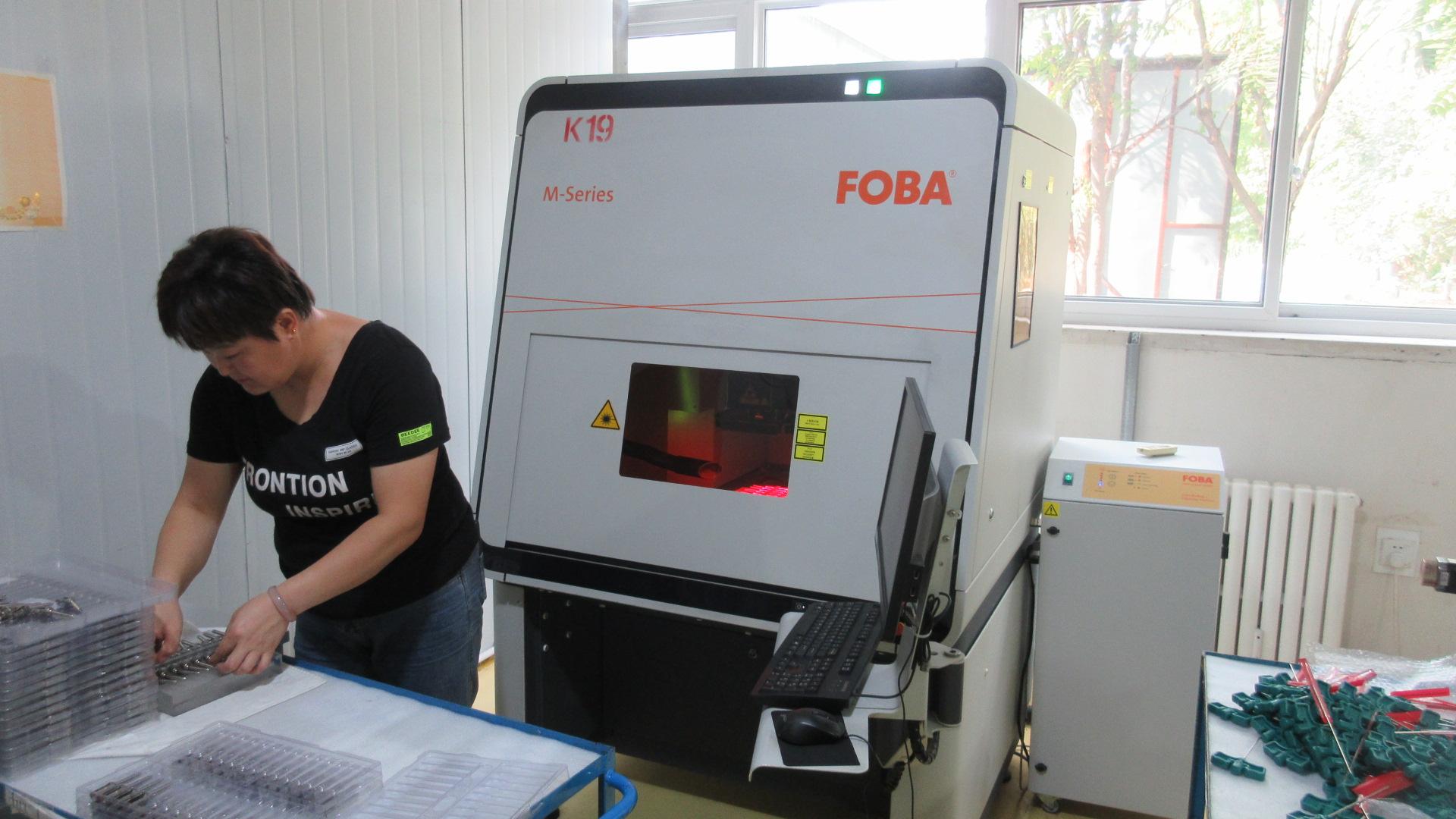
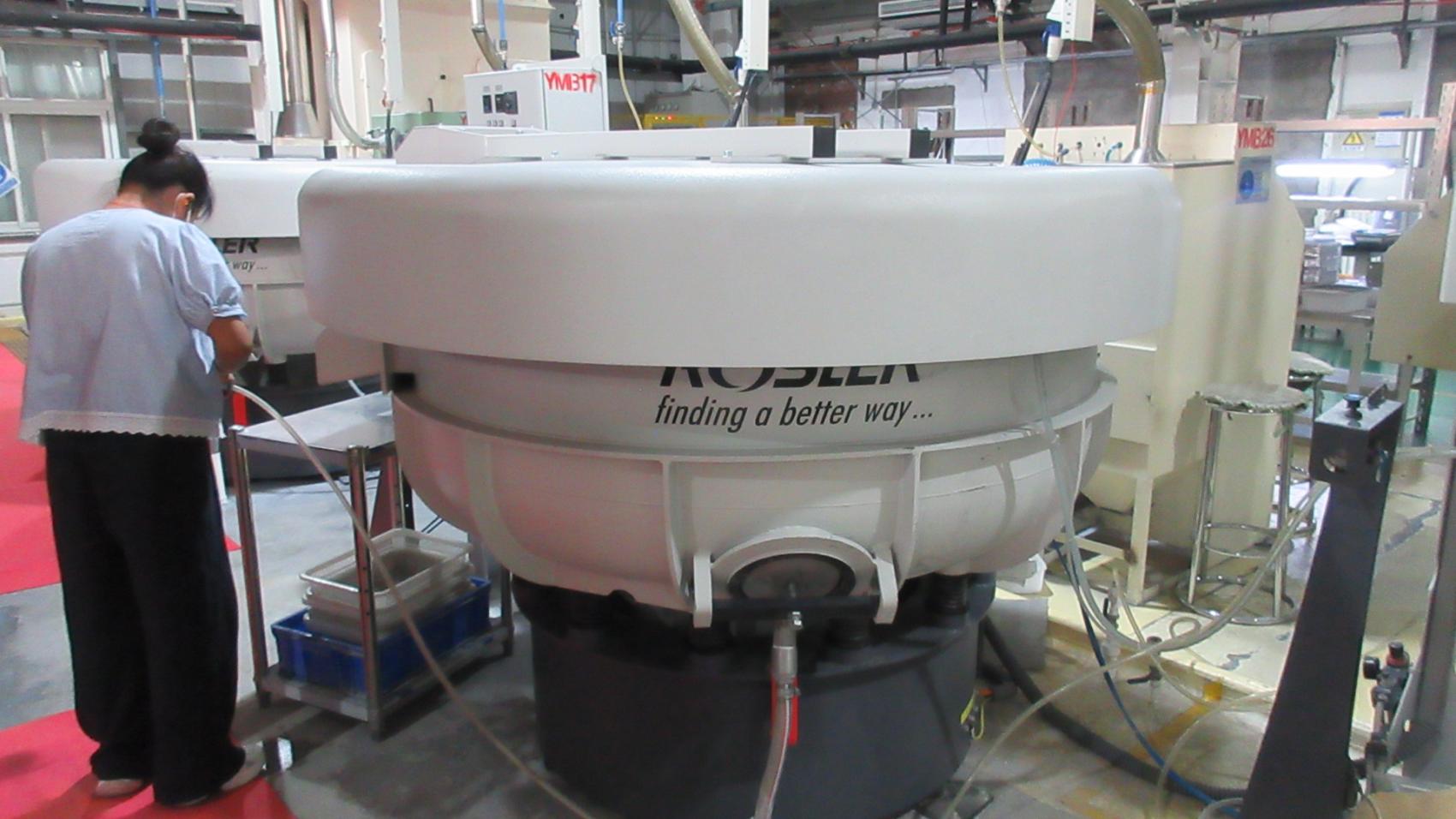
Every titanium lock system undergoes mechanical stress testing, including static tension, dynamic fatigue, and torsion evaluations. By simulating physiological load cycles, we verify that our trauma plates can withstand postoperative loads during early rehabilitation.
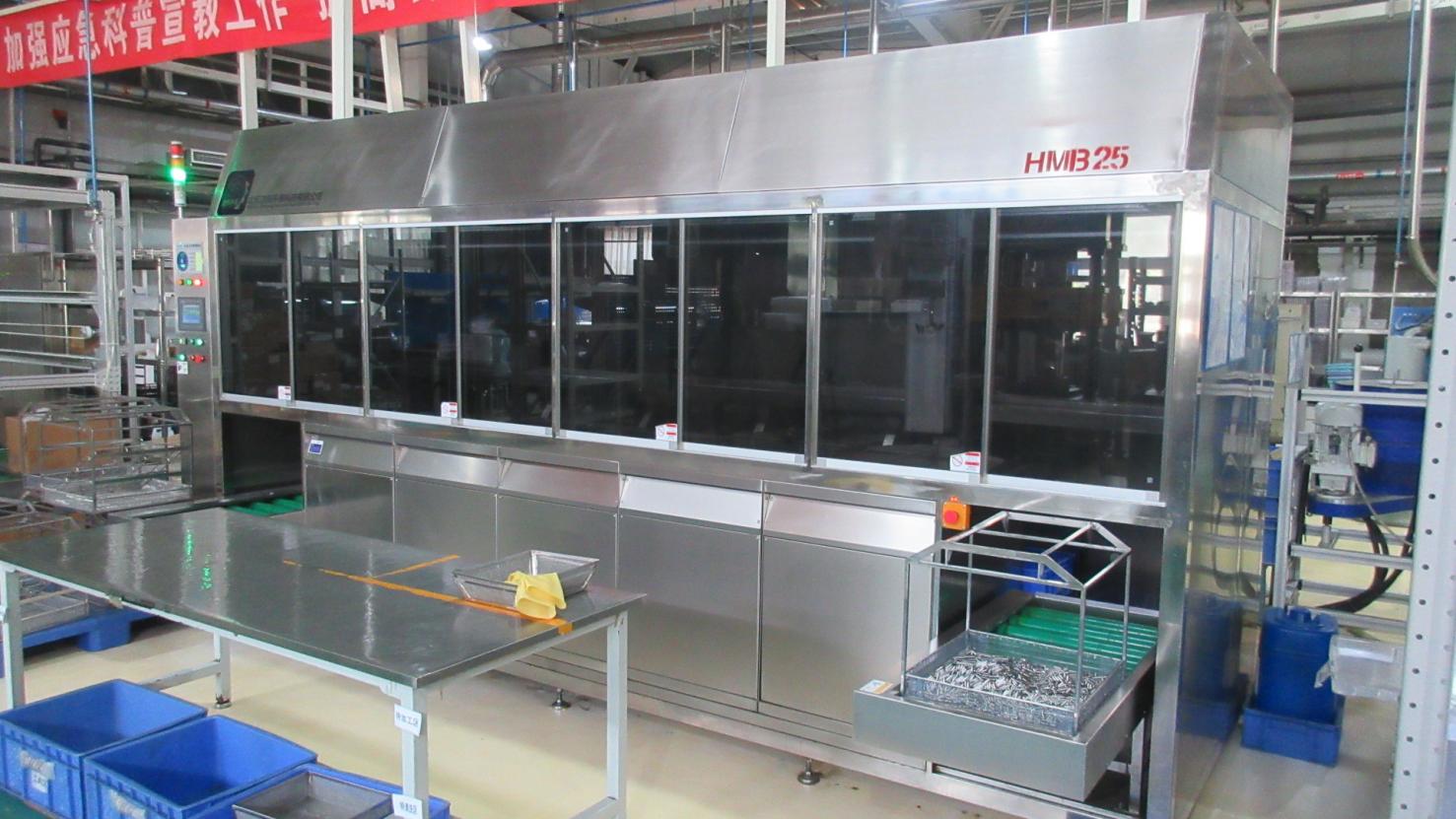
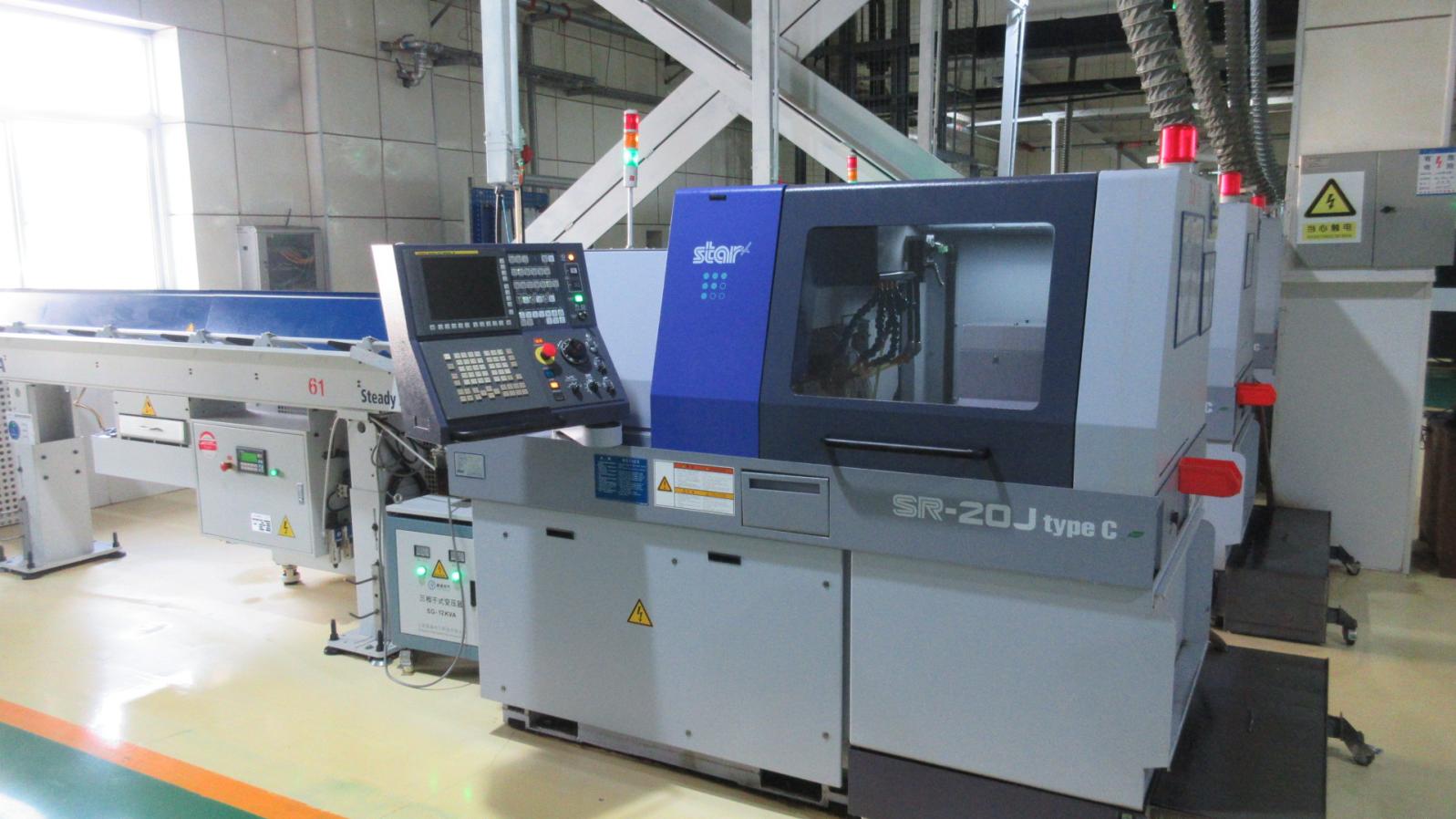
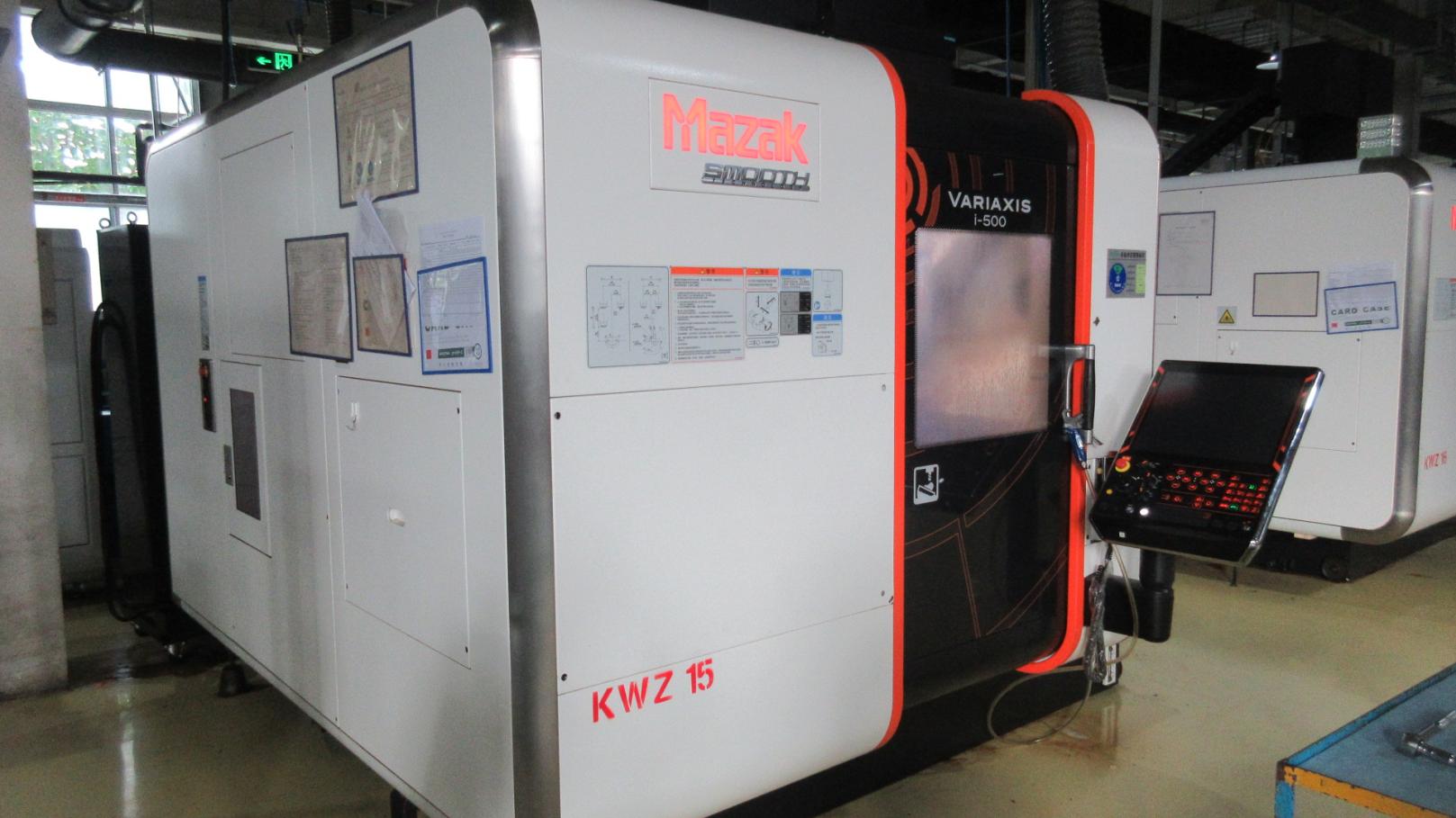
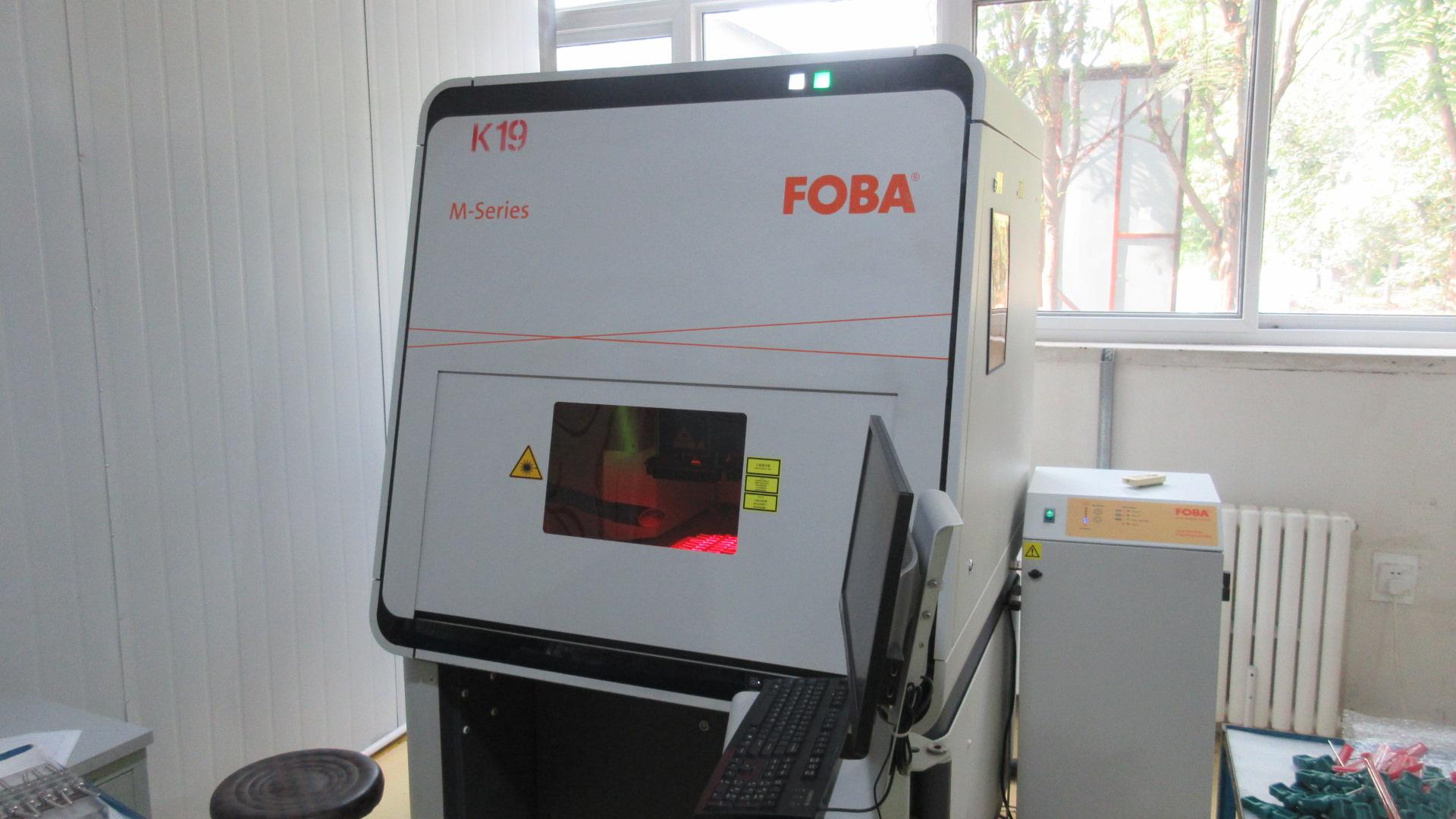
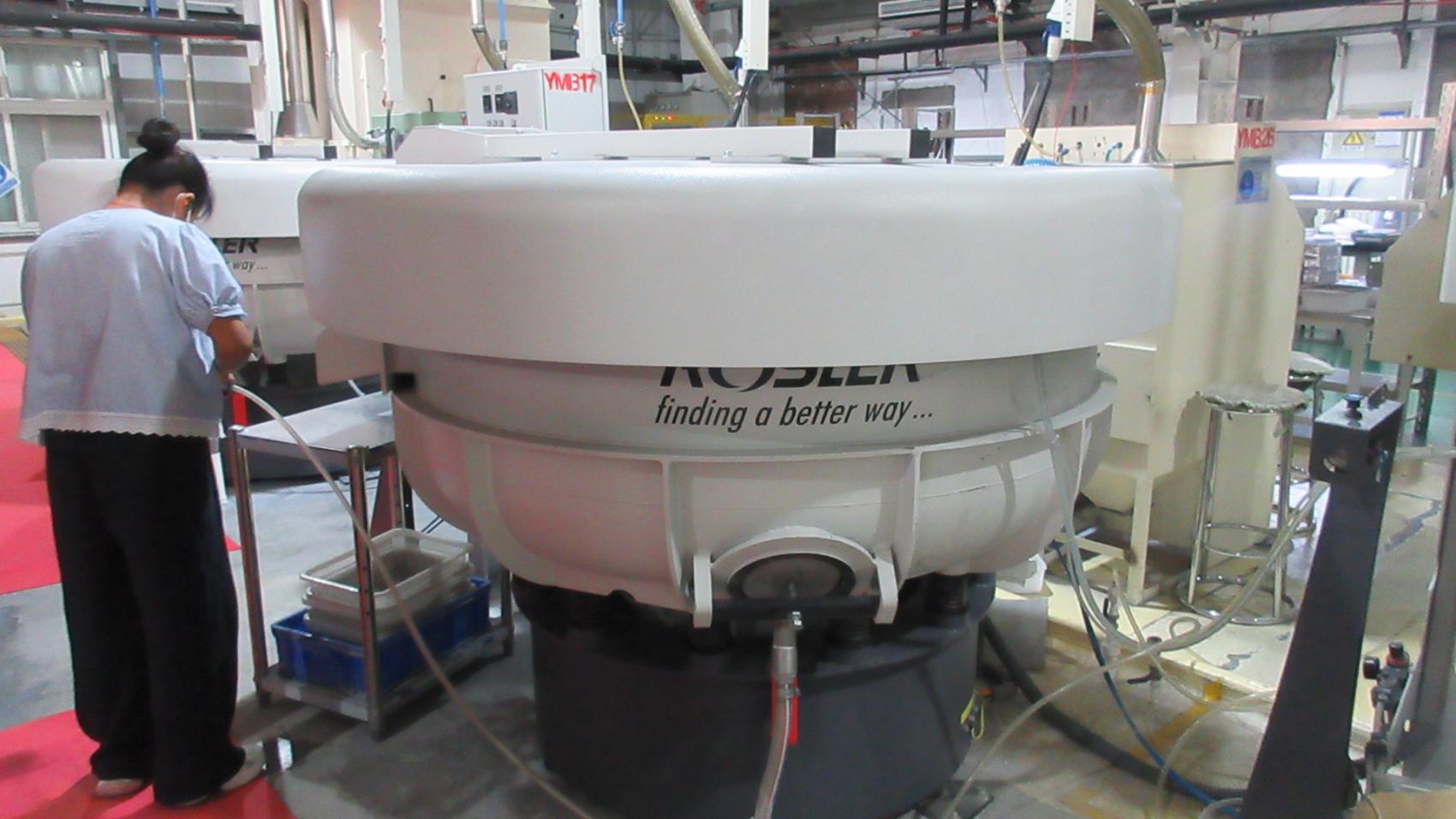
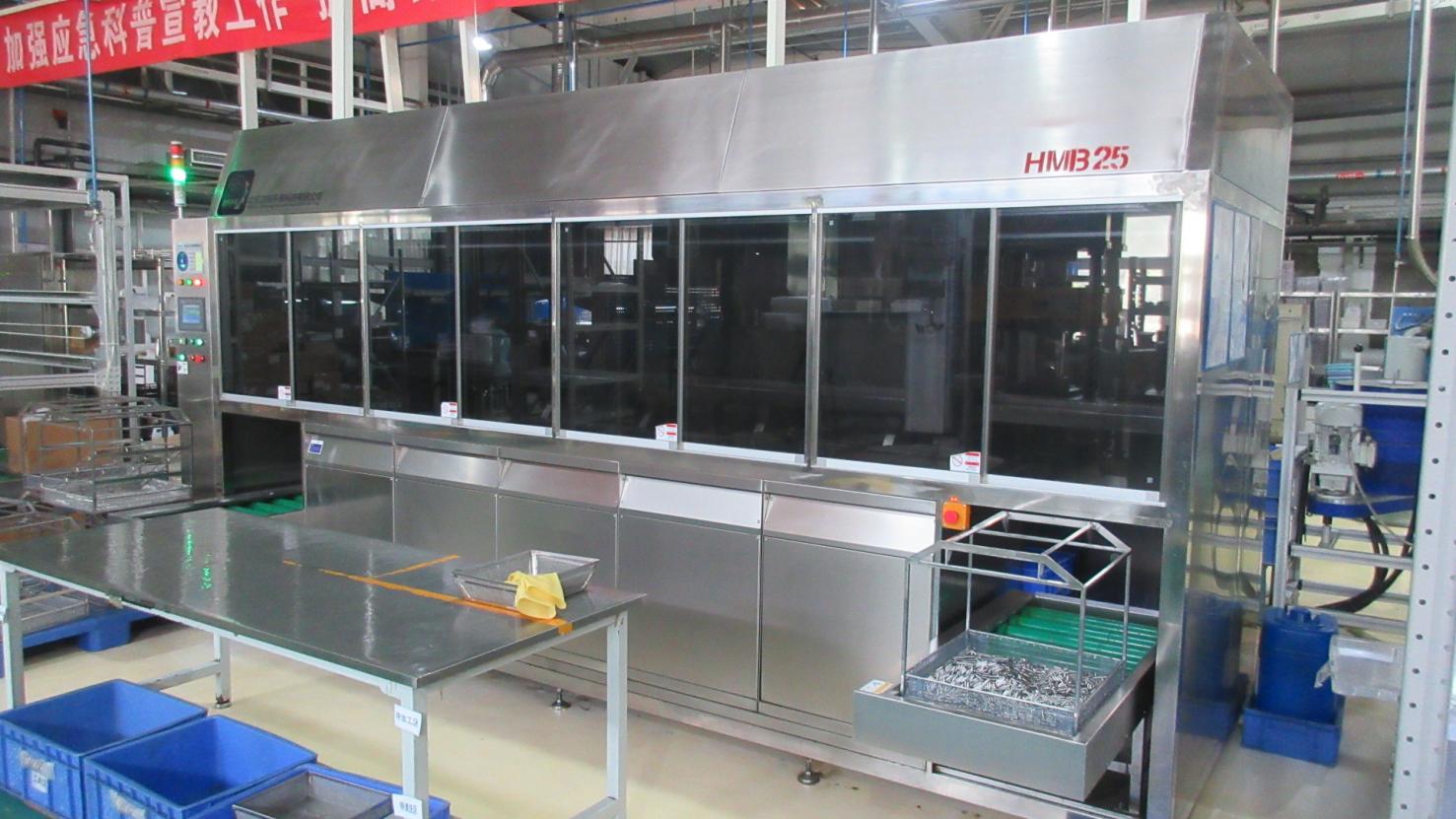
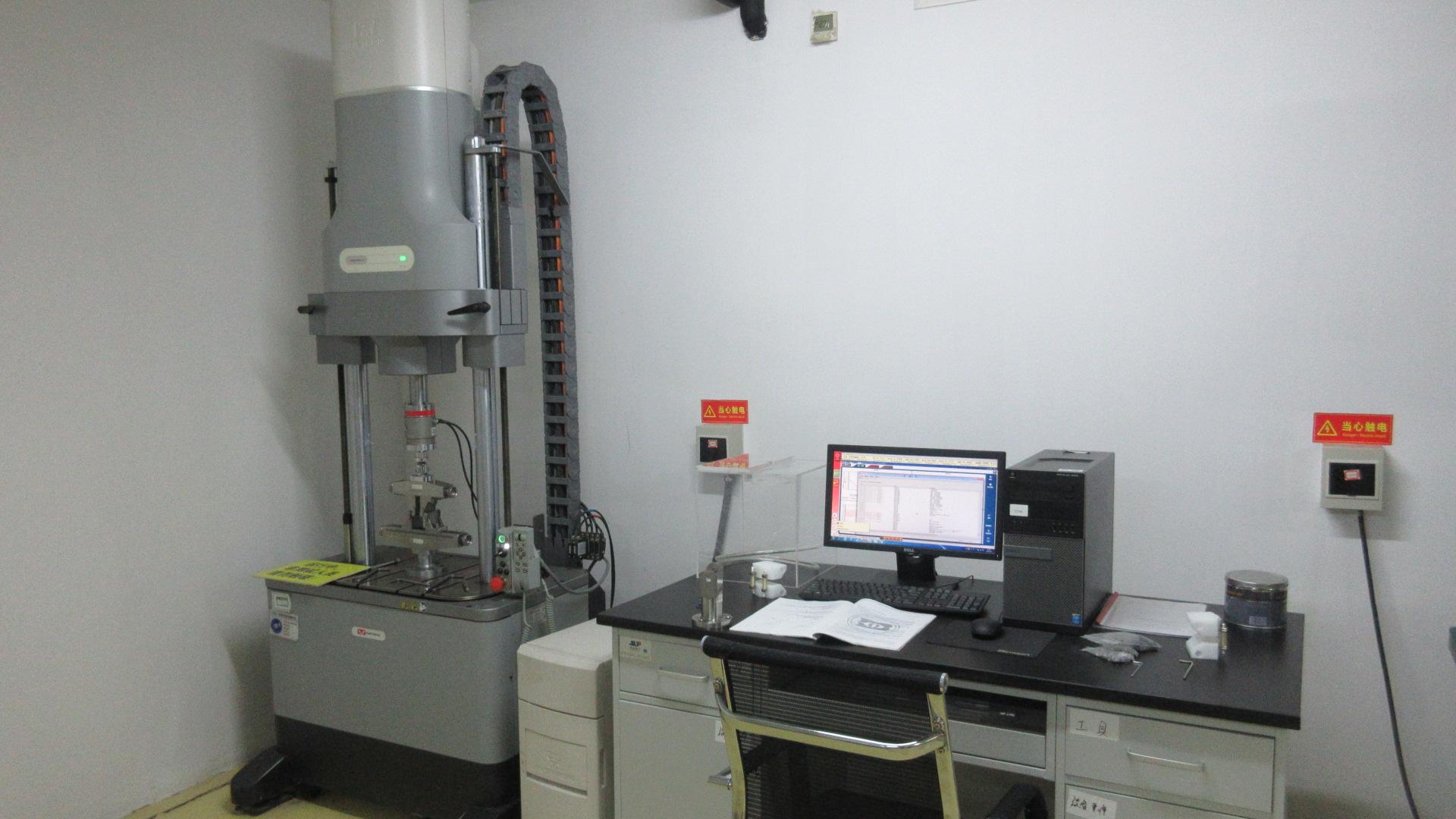
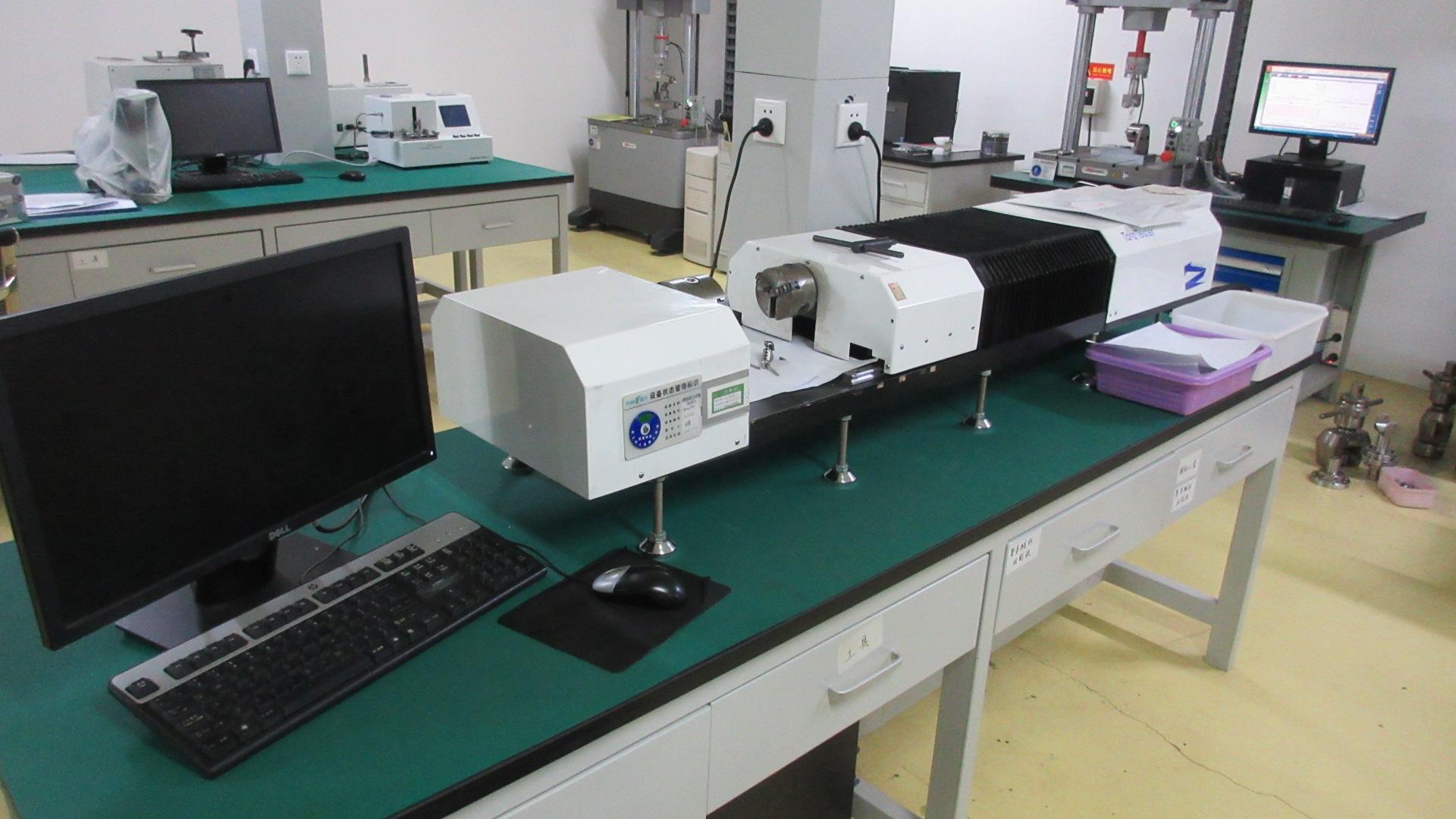
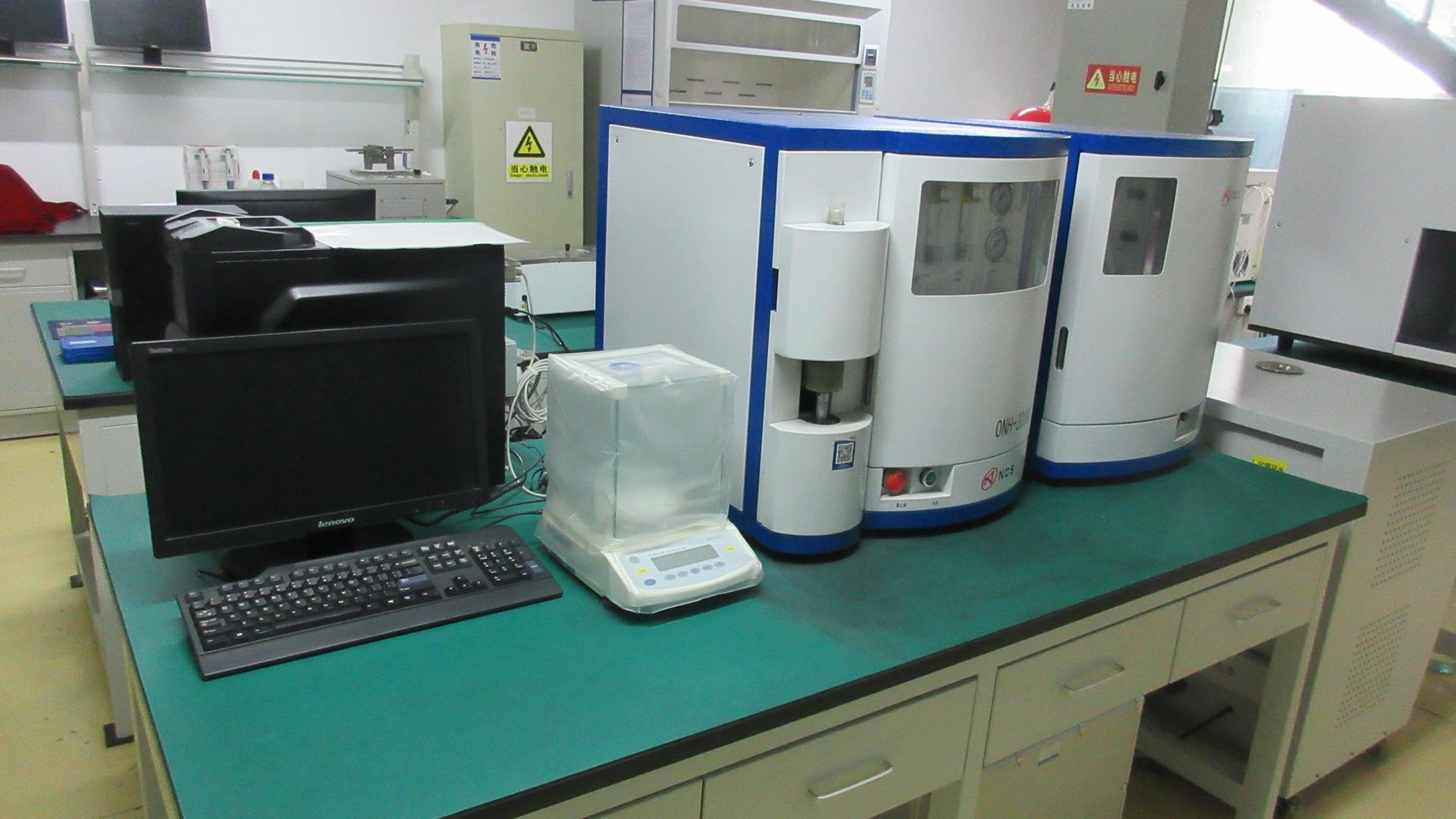
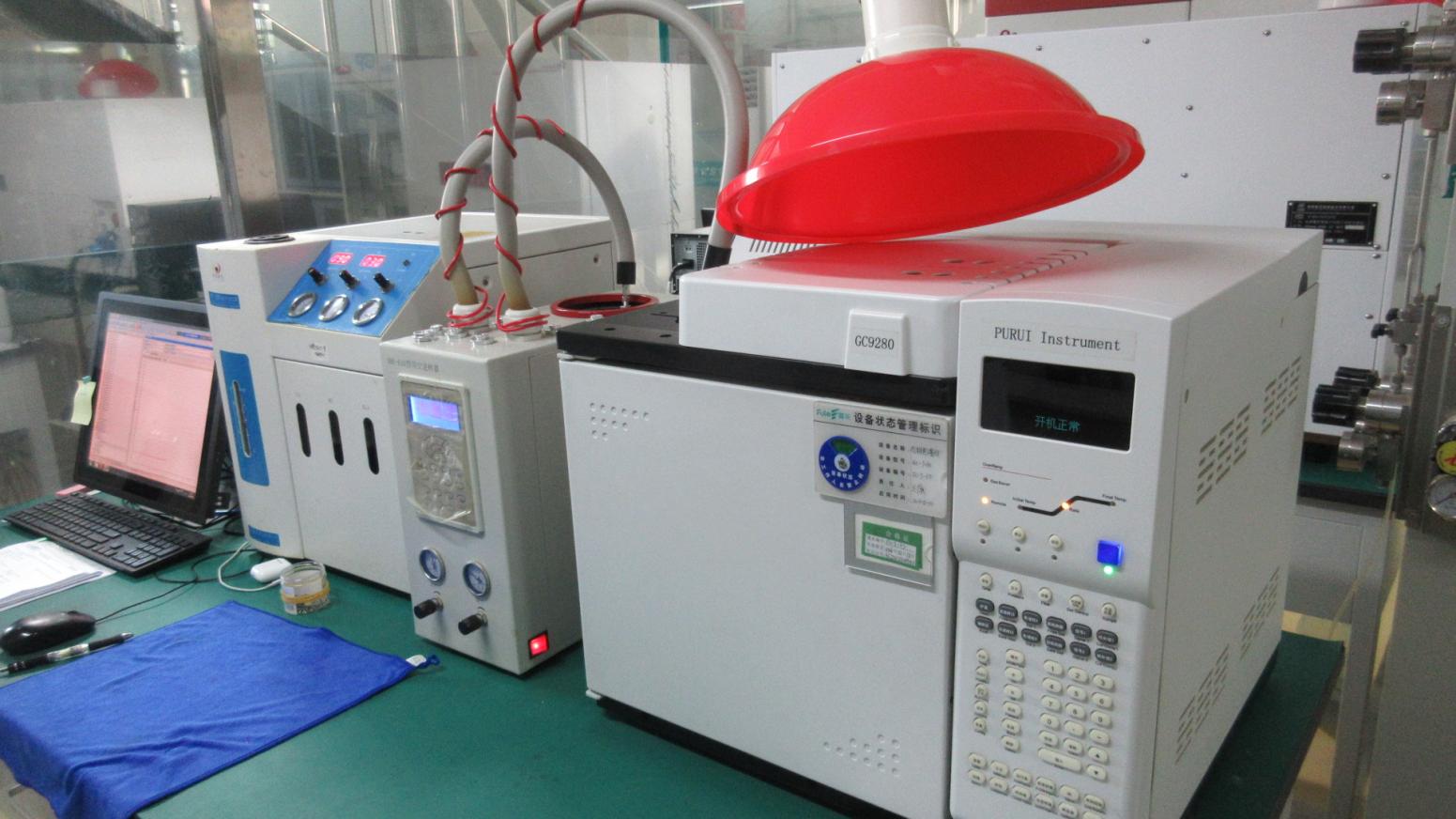
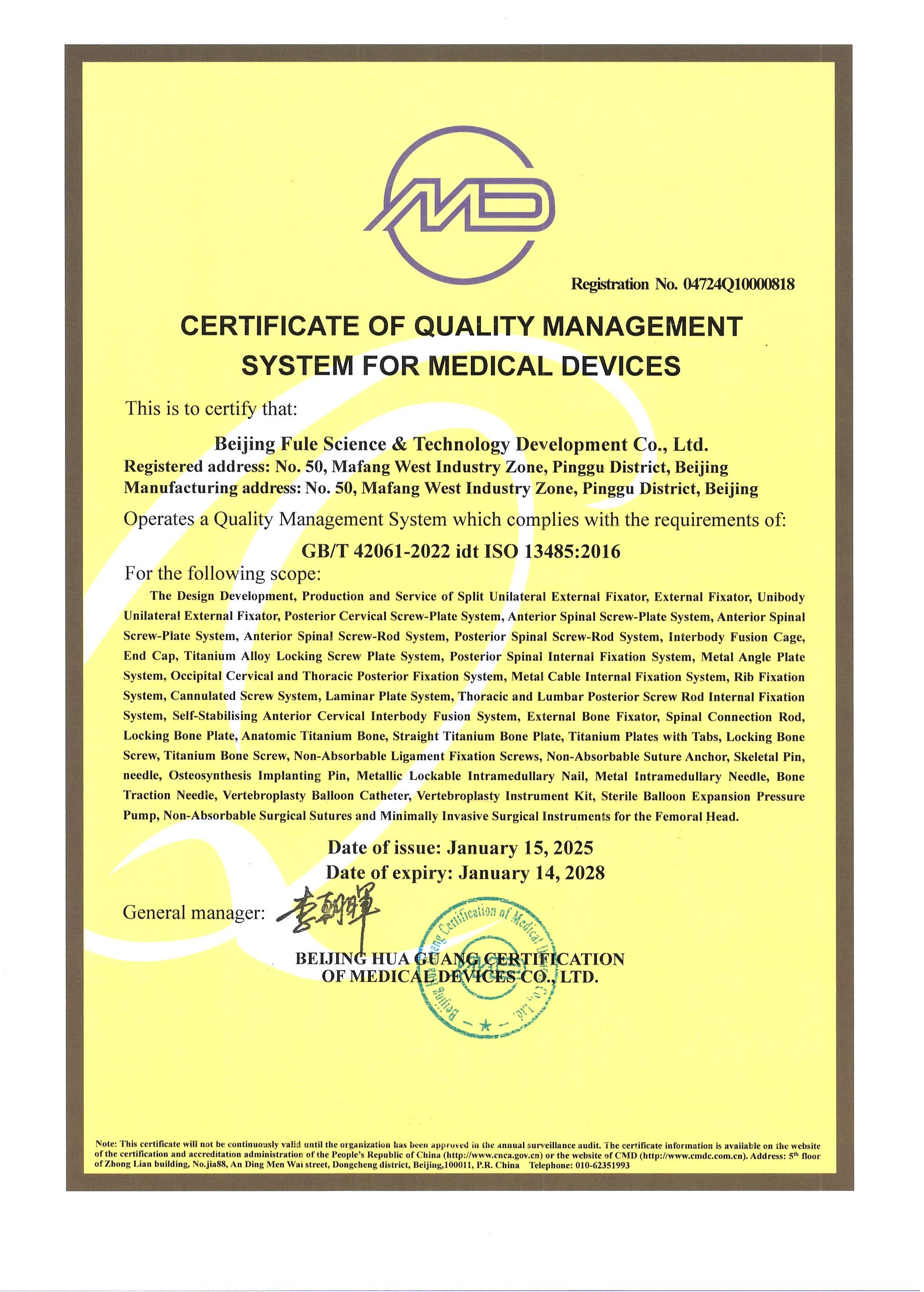
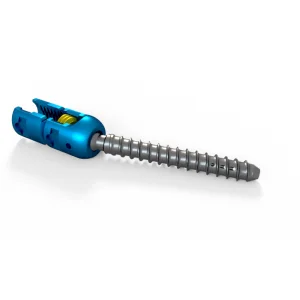
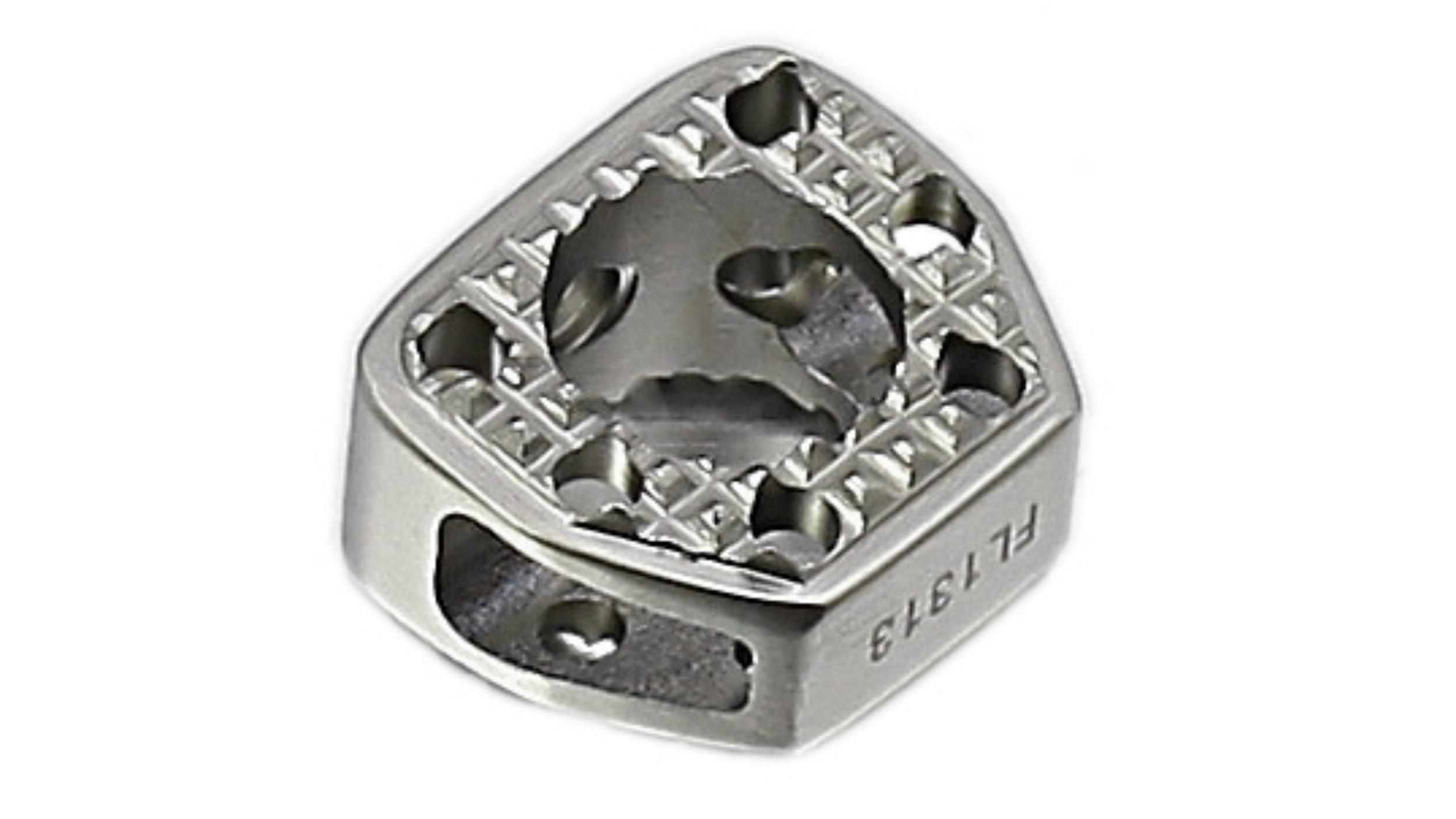
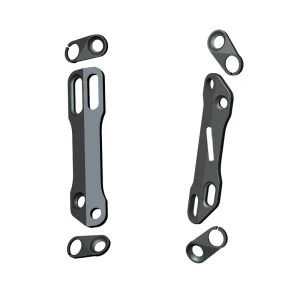
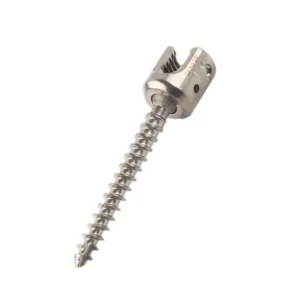
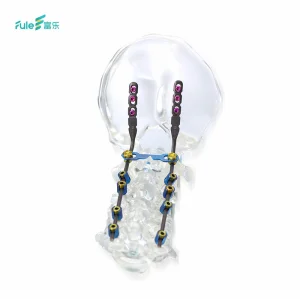
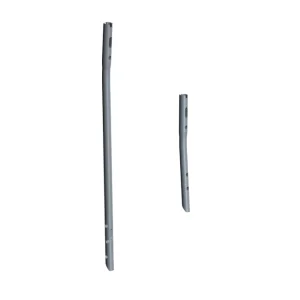
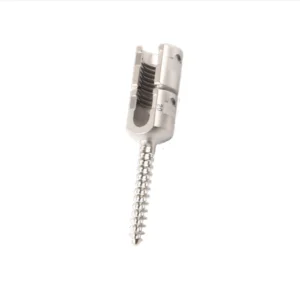
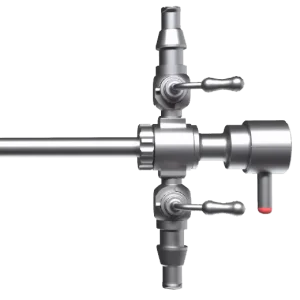
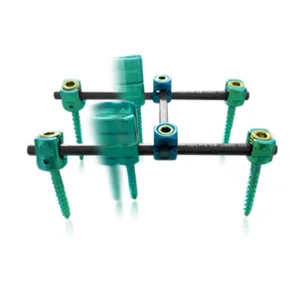
Our surgical systems cover upper extremity locking plates, lower extremity trauma implants, anterior/posterior spinal fixation devices, and specialized instruments.
 Fule
Fule