High-performance trauma fixation hardware engineered for complex extremity reconstruction, now available for clinical supply in the Upper Nile region.
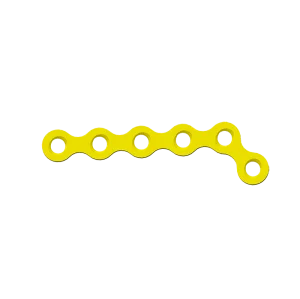
Anatomically pre-contoured locking plates engineered for distal radius, metacarpal, and metatarsal osteosynthesis.
Inquire Now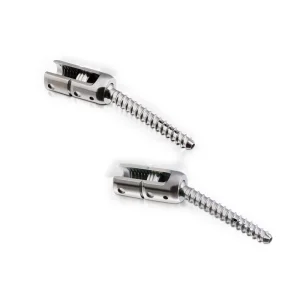
Robust instrumentation for rigid thoracolumbar column stabilization, ensuring anatomical alignment.
Inquire Now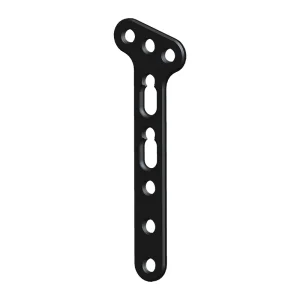
Optimized geometry for proximal and distal extremity fractures, including T-oblique configurations.
Inquire Now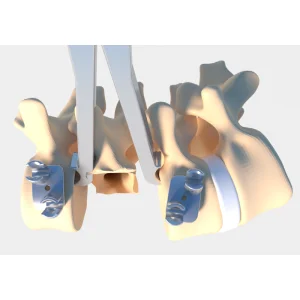
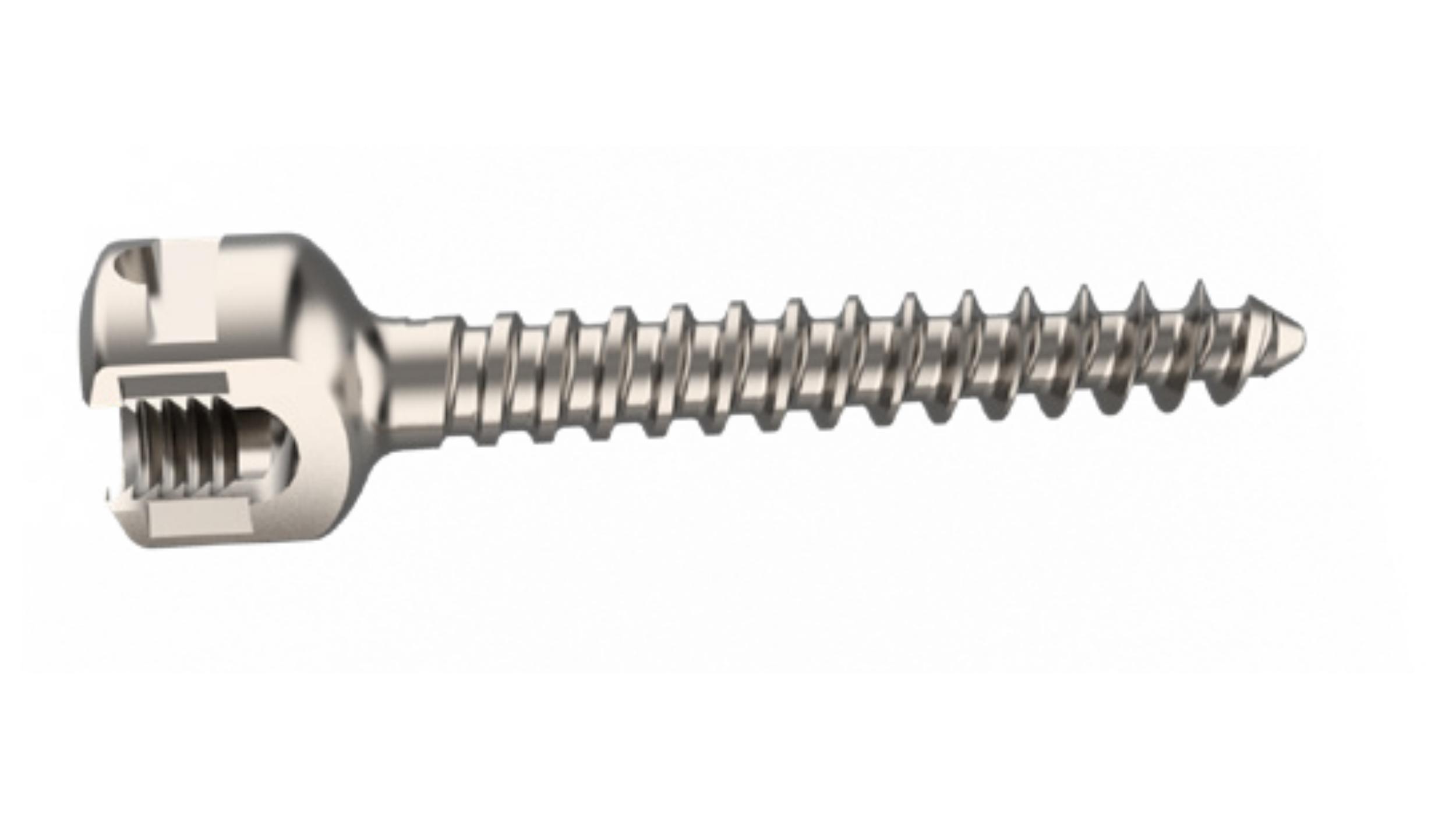
Minimally invasive spine system designed to reduce surgical trauma and accelerate clinical recovery.
Inquire NowNavigating clinical demands and healthcare logistics in South Sudan's Upper Nile region.
In the Upper Nile State and the greater Malakal area, public and private healthcare facilities encounter a substantial volume of orthopedic trauma cases. Incidents arising from agricultural accidents, transportation mishaps, and regional conflict frequently present as complex, open, or comminuted fractures of the hand, wrist, foot, and ankle. Effective surgical intervention requires implants that offer robust mechanical stability, biocompatibility, and anatomical precision.
Historically, the treatment of hand and foot fractures in remote regions relied on conservative management methods such as plaster casting or traction, often leading to malunion, prolonged disability, and compromised functional outcomes. Today, orthopedic surgeons at teaching hospitals and NGO-supported medical centers in South Sudan are increasingly implementing Open Reduction and Internal Fixation (ORIF) procedures. This transition has intensified the regional demand for high-quality titanium locking compression plates (LCP), Kirschner wires, distal radius plates, and calcaneal fixation systems.
Procuring medical hardware for Malakal presents distinct logistical challenges, given the landlocked geography of South Sudan and seasonal transport infrastructure limitations. Navigating these supply corridors requires a strategic partner capable of ensuring robust sterile packaging and reliable shipment schedules.
Beijing Fule Science & Technology Development Co., Ltd. coordinates with regional distributors, international humanitarian groups, and public health ministries to deliver critical orthopedic implants directly to Juba and onward to Malakal via regional cargo networks. By utilizing standardized titanium implants featuring broad instrument compatibility, clinical staff can minimize training requirements and improve operative reliability.
Technical specifications of biocompatible titanium implants designed for long-term internal fixation.
All orthopedic plates and screws distributed under our portfolio are manufactured using implant-grade materials: Ti-6Al-4V Extra Low Interstitial (ELI) alloy and commercially pure titanium (CP Ti). These materials provide an optimal balance of high tensile strength, fatigue resistance, and low elastic modulus, reducing stress shielding at the fracture site.
The surface of each implant is anodized to create a stable oxide layer, which prevents corrosion, minimizes tissue reactivity, and reduces bacterial colonization risk. This bio-inert barrier is critical for clinical success in demanding environments like Malakal, where managing postoperative infection risks is paramount.
| Implant System Type | Material Composition | Typical Clinical Applications | Key Design Elements |
|---|---|---|---|
| Hand & Foot Locking Plates | Pure Titanium / Ti-6Al-4V ELI | Metacarpal, Metatarsal, Phalangeal Osteosynthesis | Anatomically pre-contoured, low profile, variable-angle locking holes |
| Distal Ankle & Calcaneal Plates | Ti-6Al-4V ELI | Calcaneal and distal tibia fractures | Multi-axial locking configurations, tapered plate ends for percutaneous insertion |
| Minimally Invasive Systems | High-Strength Titanium Alloy | Thoracolumbar fixation, spinal stabilization | Extended-arm pedicle screws, cannulated rod-insertion mechanisms |
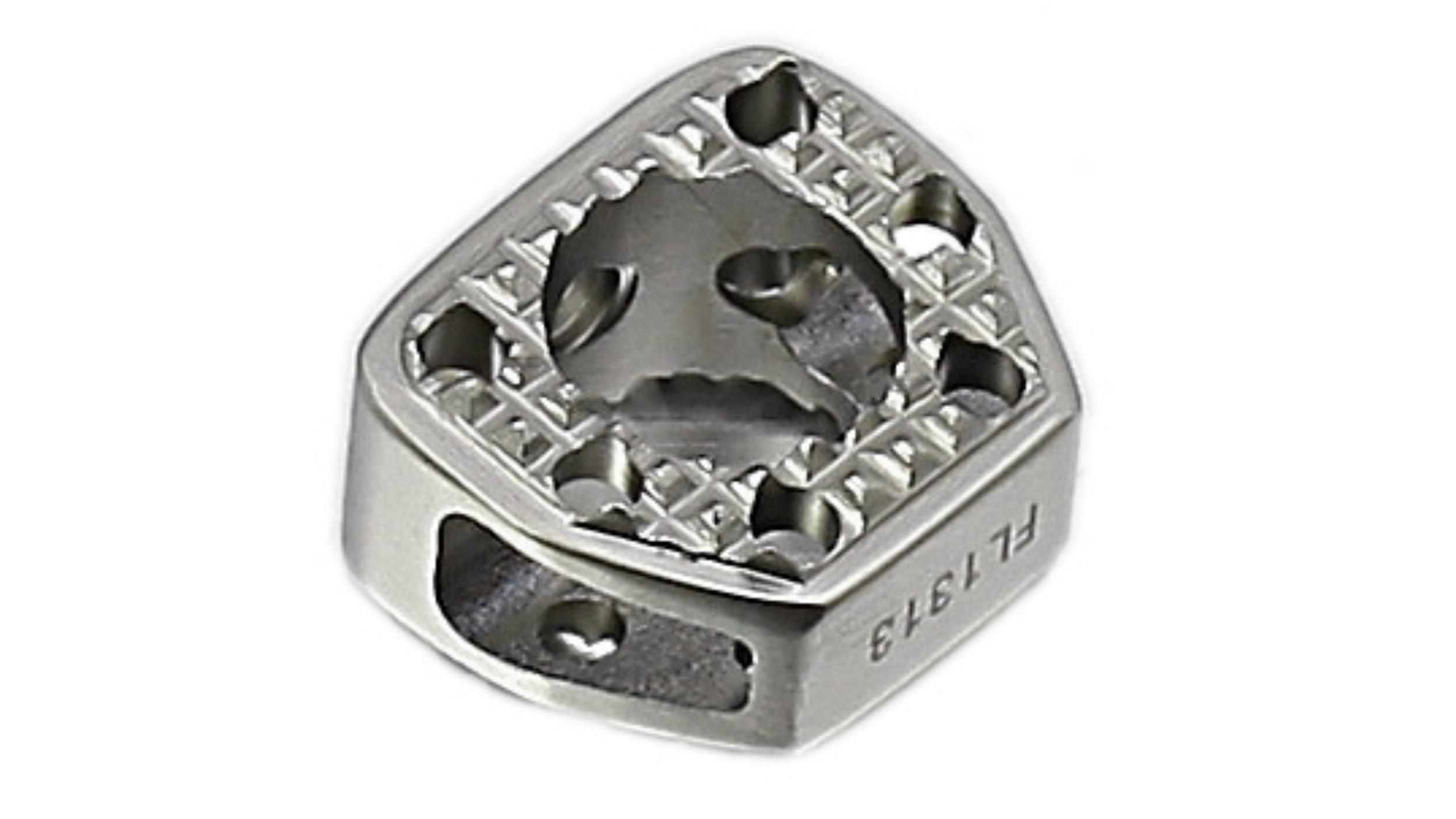
| Interbody Fusion Cages | PEEK / Titanium Alloy | Cervical and Lumbar spinal reconstruction | Large graft windows, biomechanically optimized wedge and arc structures |
Extremity surgeries, particularly those involving the hand and foot, are highly sensitive to implant volume. Thick plates can irritate overlying tendons and lead to discomfort or limited joint mobility.
Fule's hand and foot plates feature a low-profile construction with beveled edges and counter-sunk screw holes. This configuration minimizes construct prominence, helping to preserve local soft tissue coverage and support patient recovery.
Advanced implants engineered to restore spinal alignment and stabilize complex joint trauma.
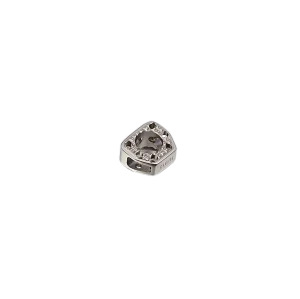
Biocompatible design offering mechanical stability and optimized bone-graft integration.
Inquire Now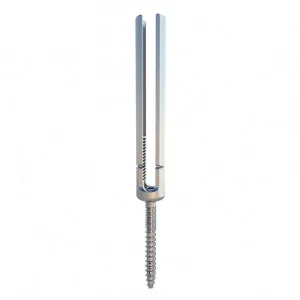
Direct-from-manufacturer spinal fixation system designed for minimally invasive entry protocols.
Inquire Now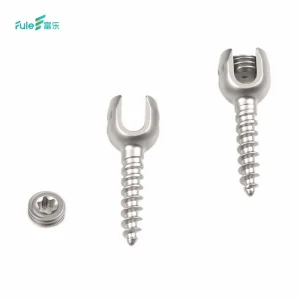
Designed for anterior spinal stabilization, ensuring structural alignment and purchase in dense bone.
Inquire Now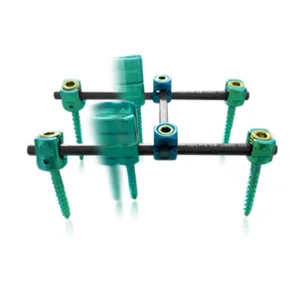
High-grade spinal fixation construct offering reliable biomechanical stabilization.
Inquire NowHow our manufacturing infrastructure ensures quality, supply security, and regulatory compliance.
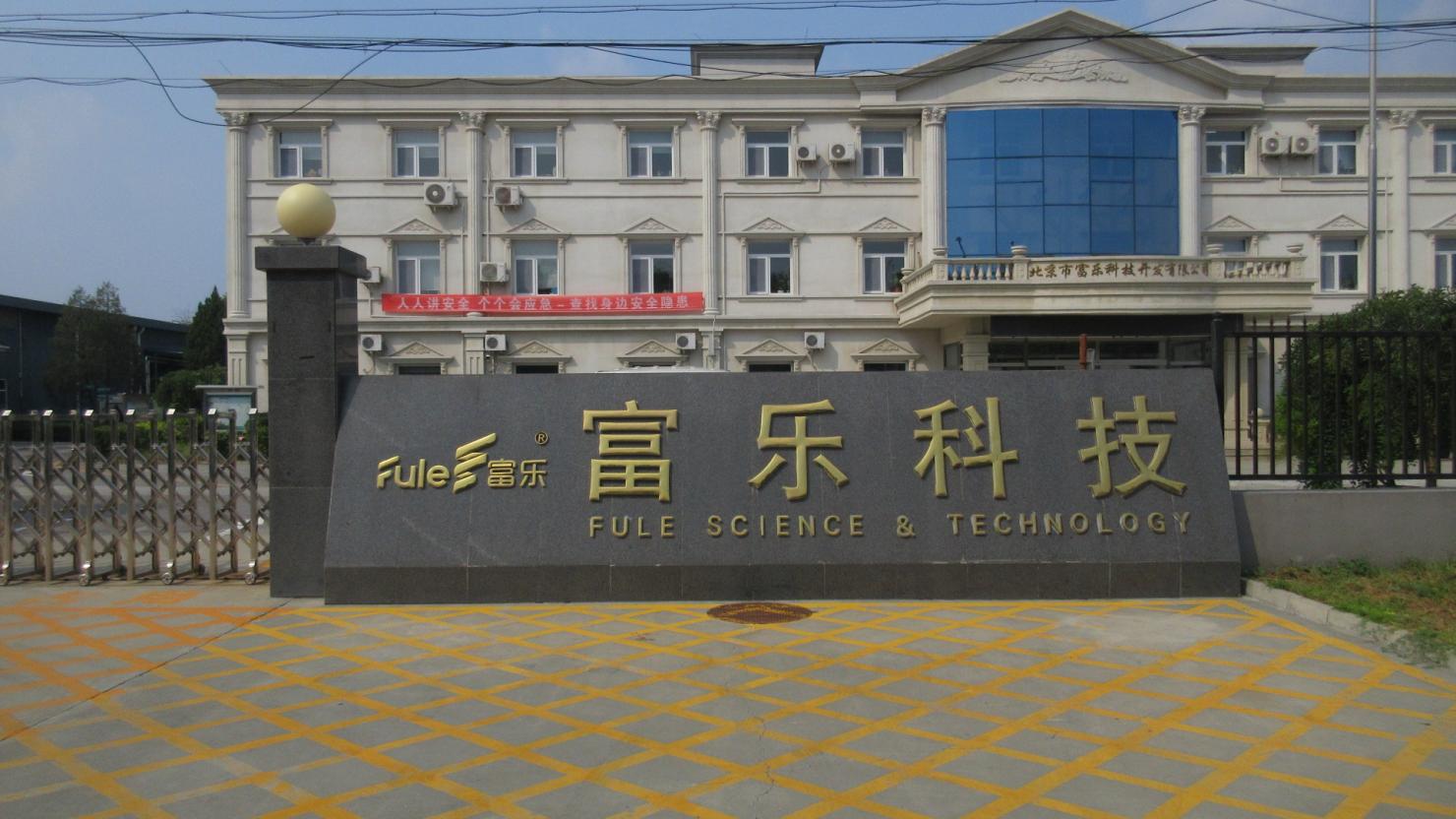
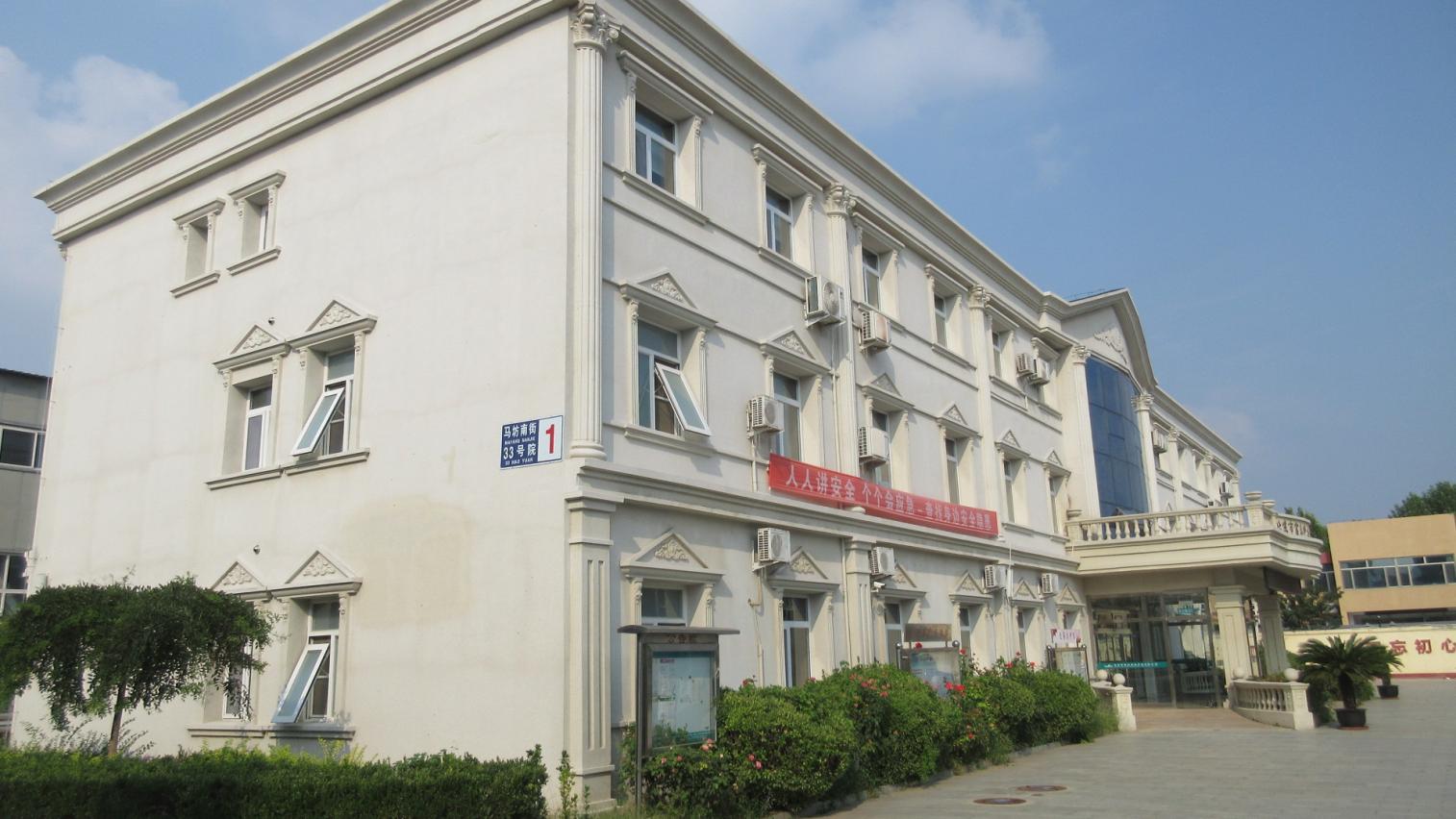
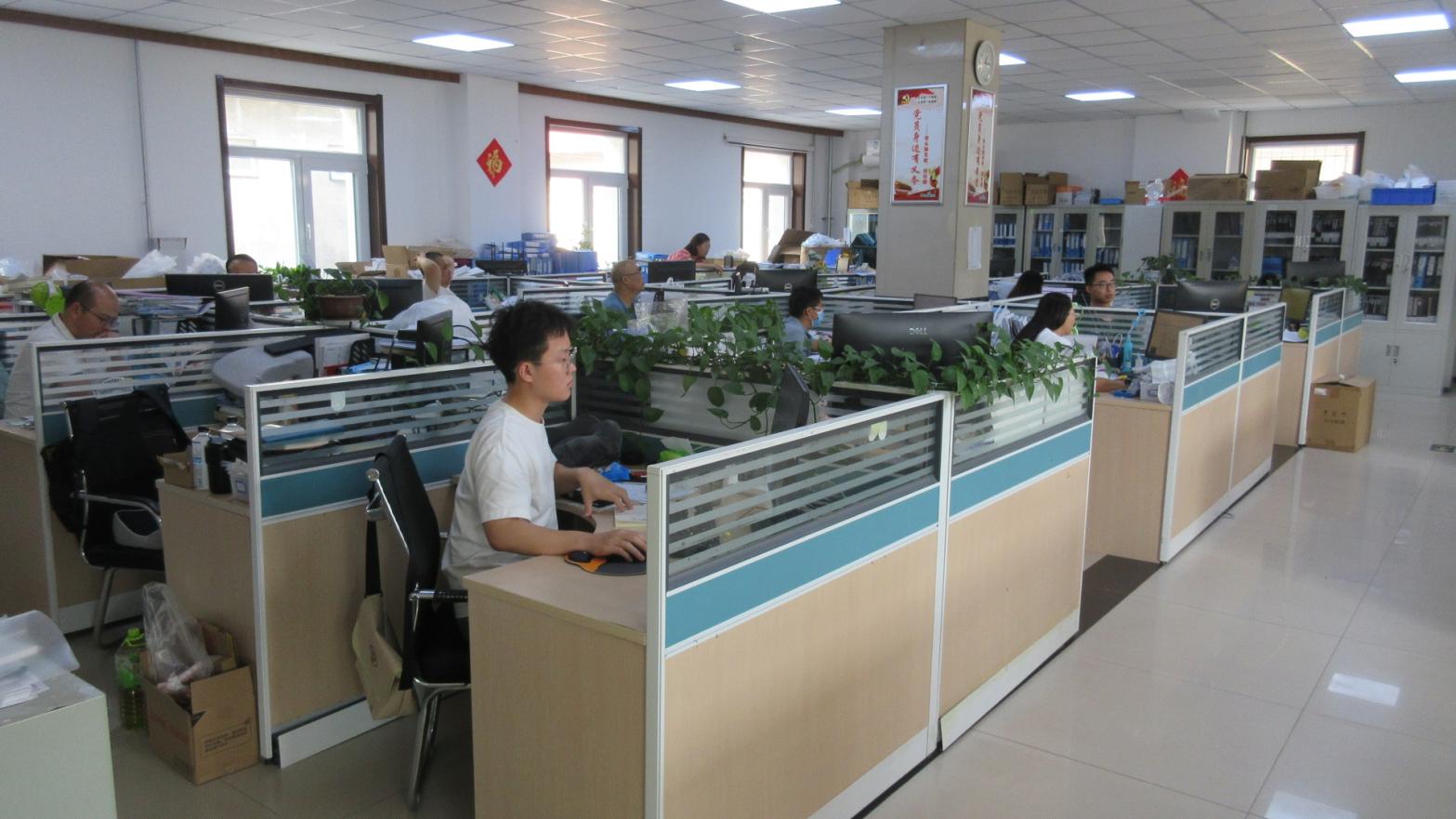
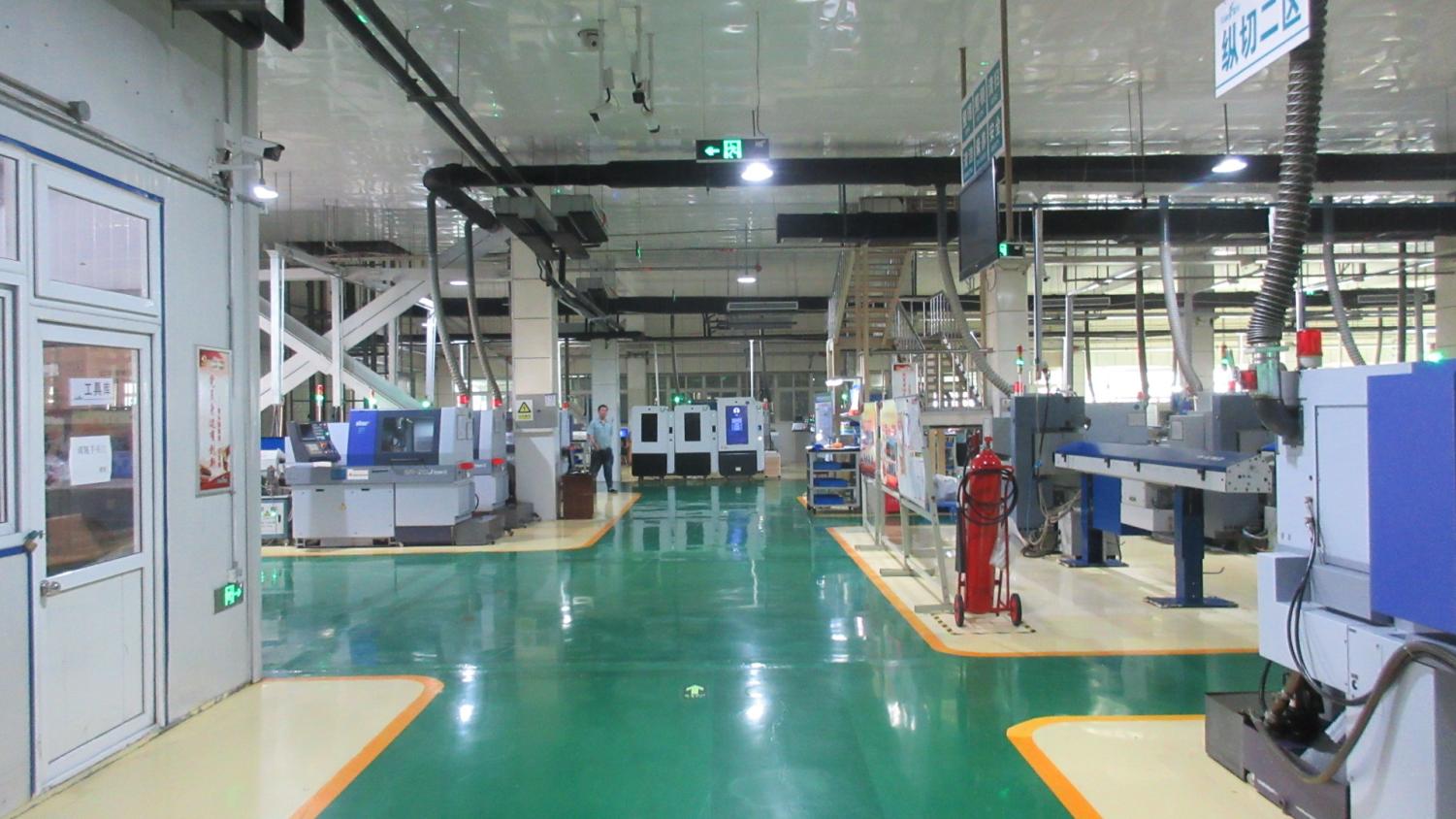
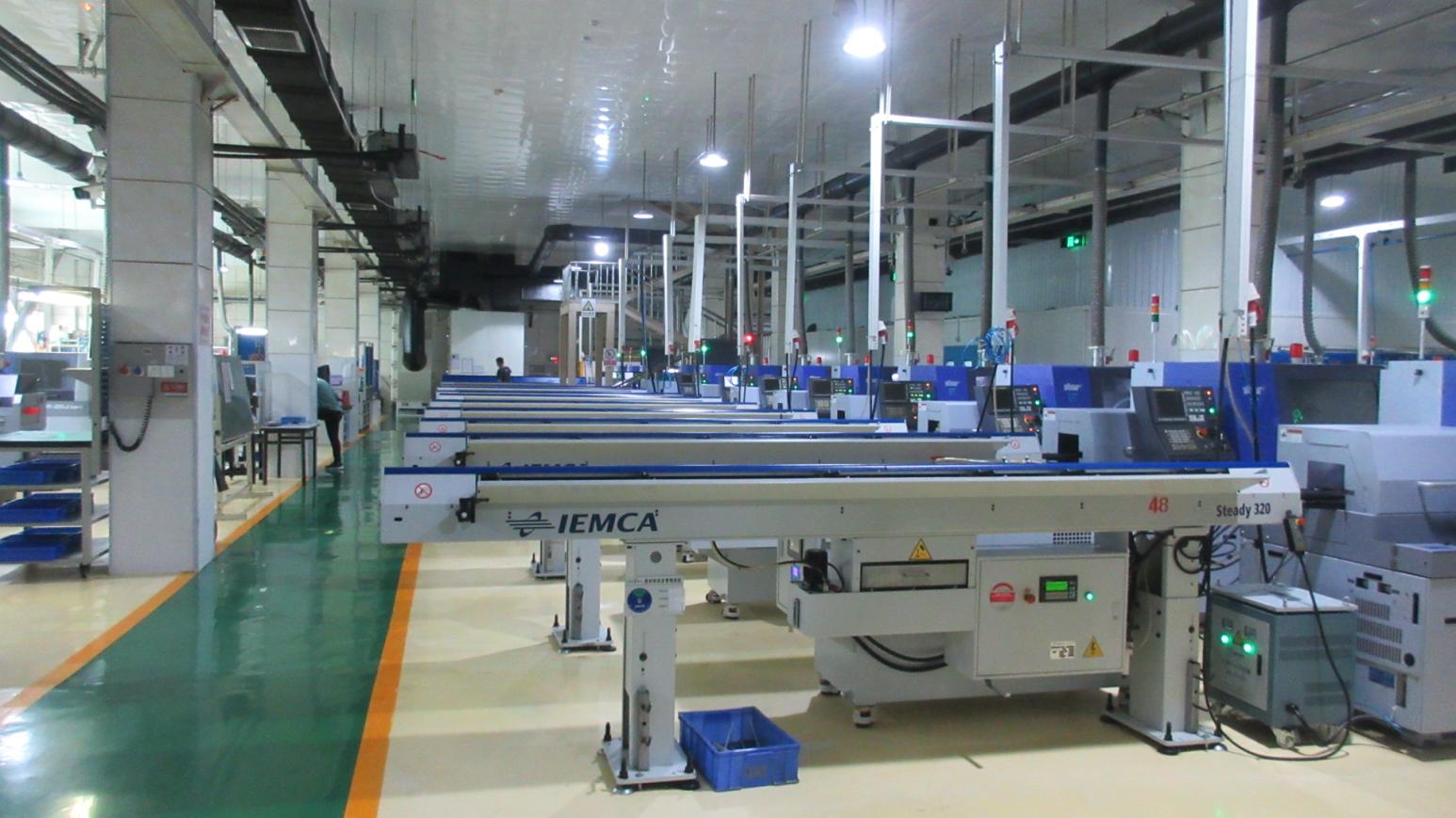
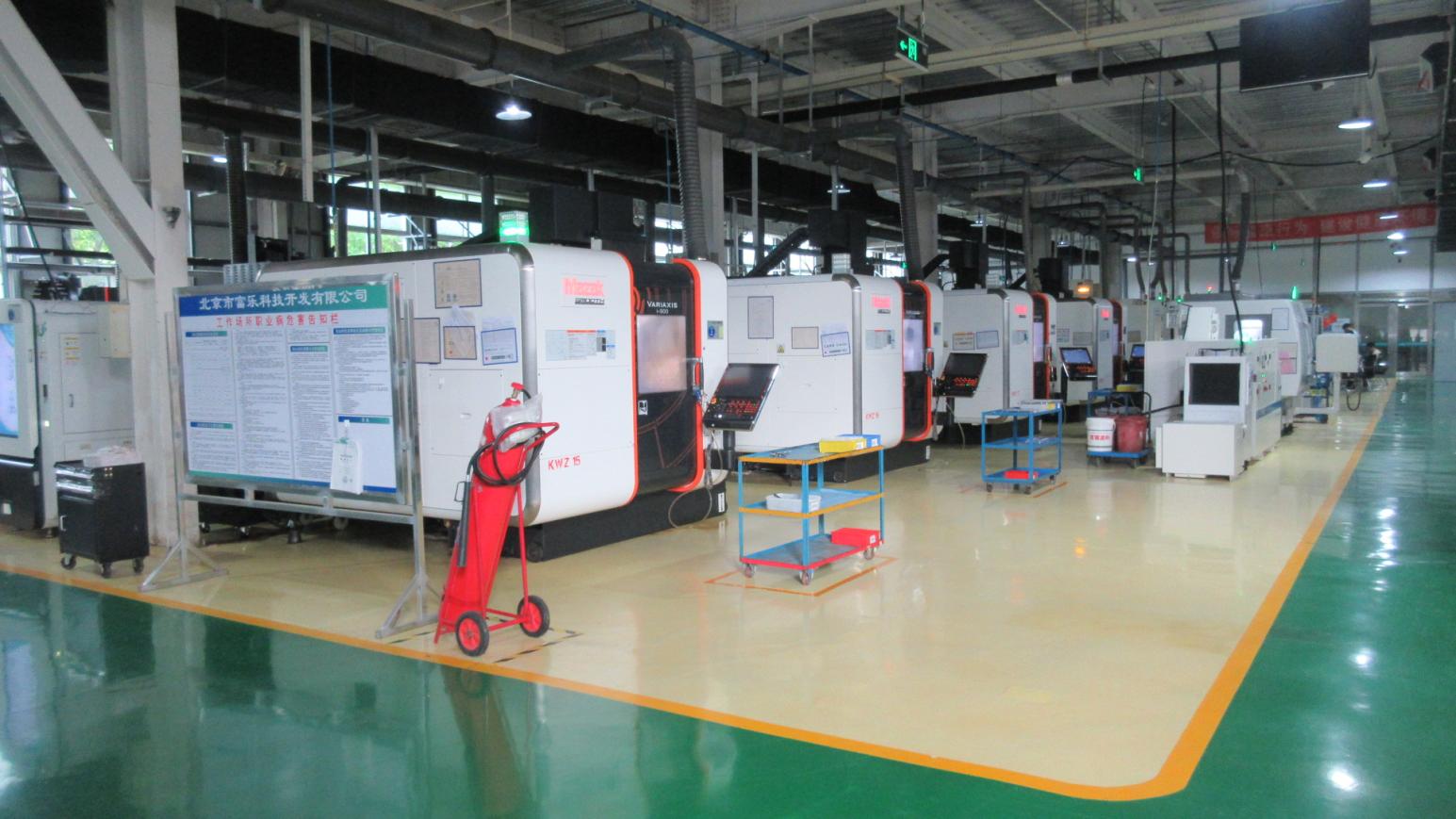
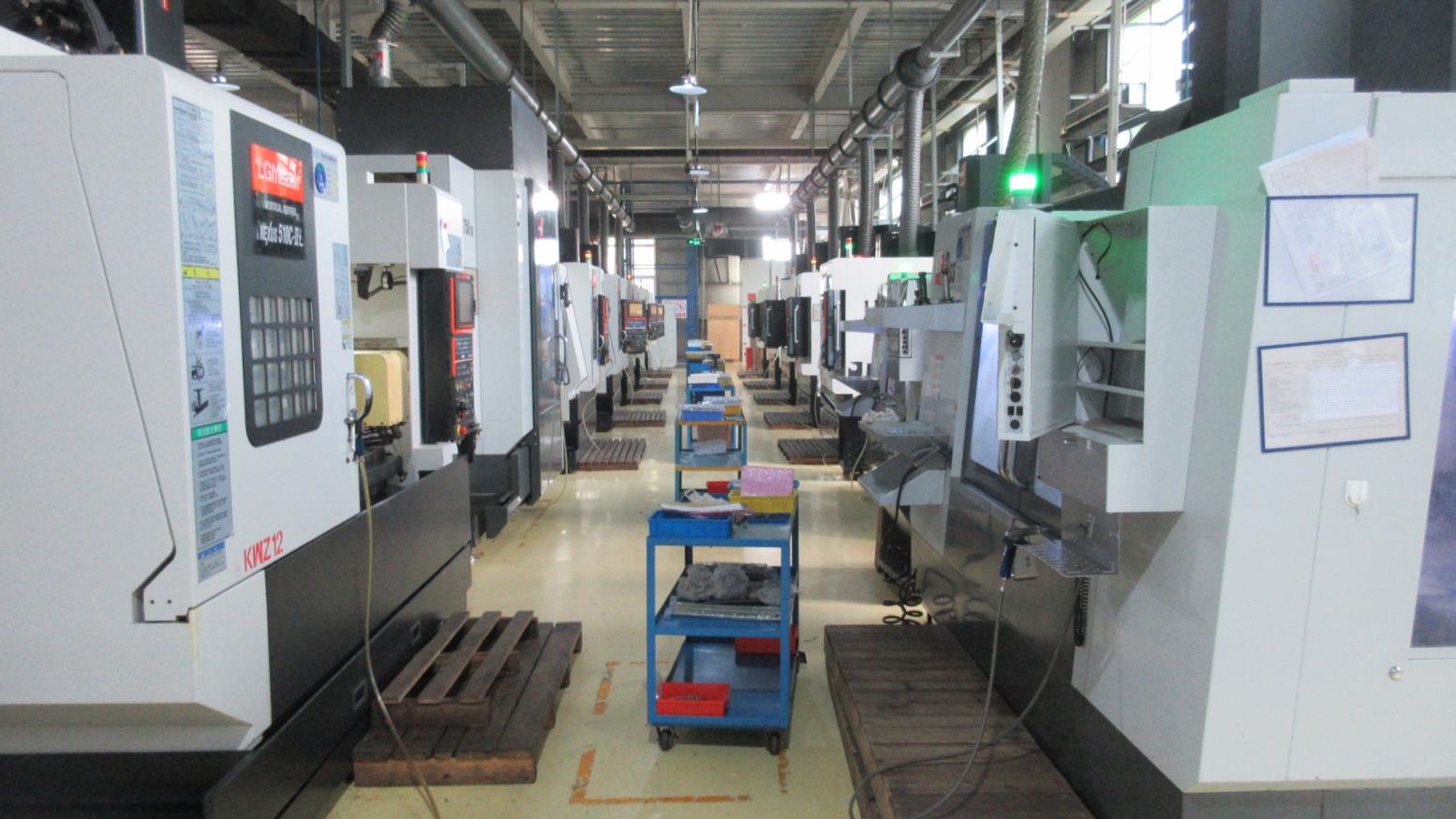
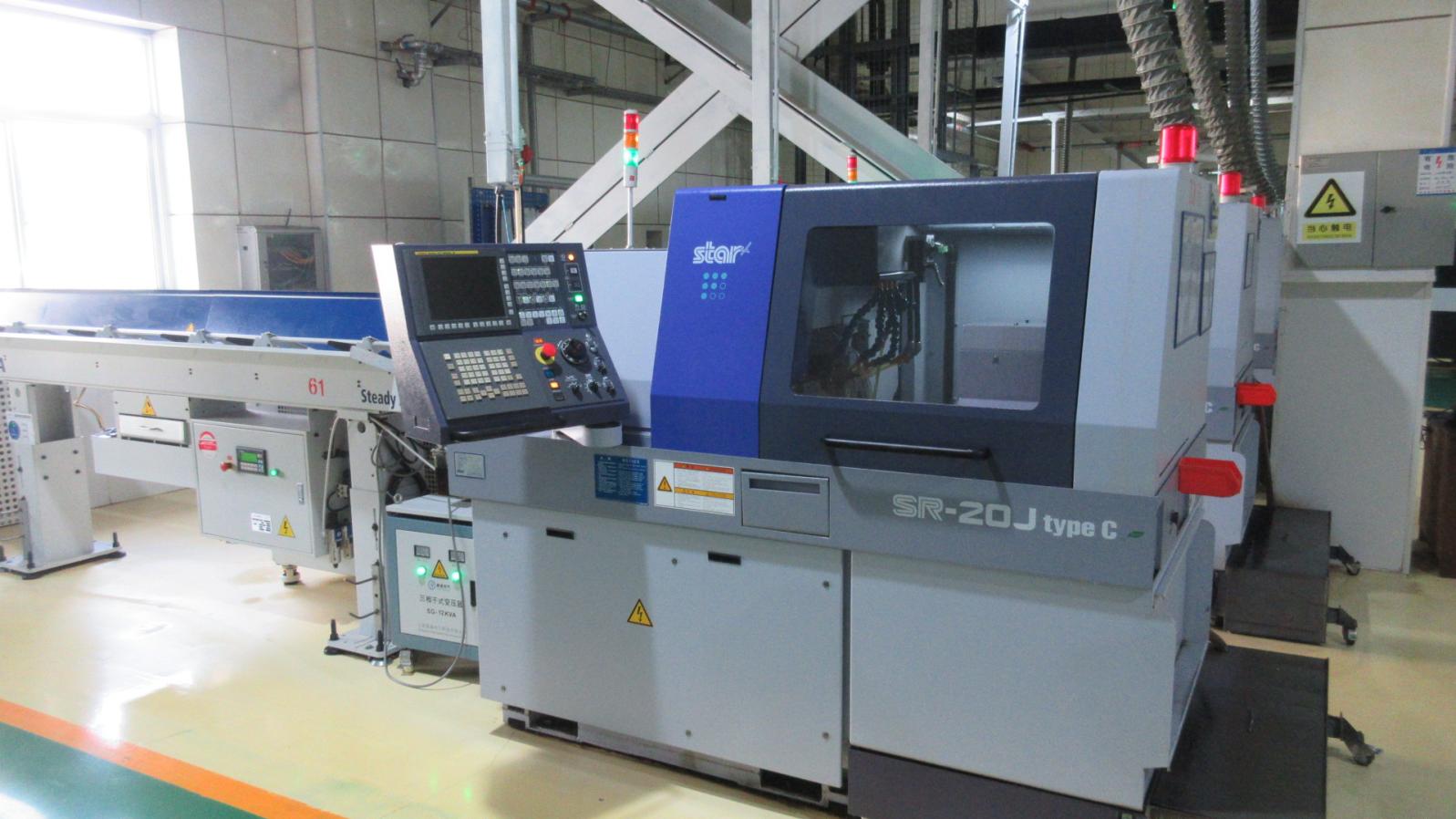
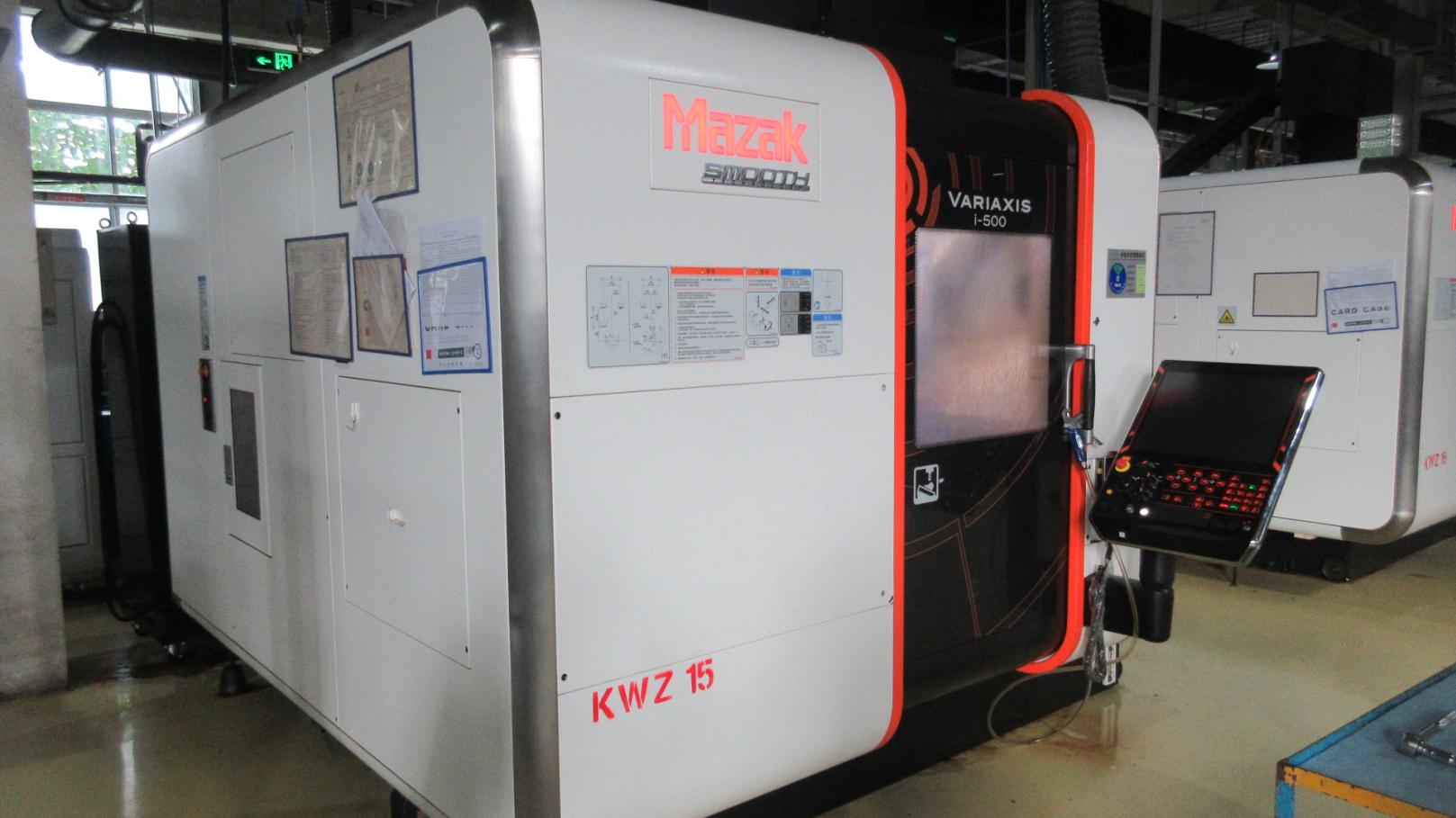
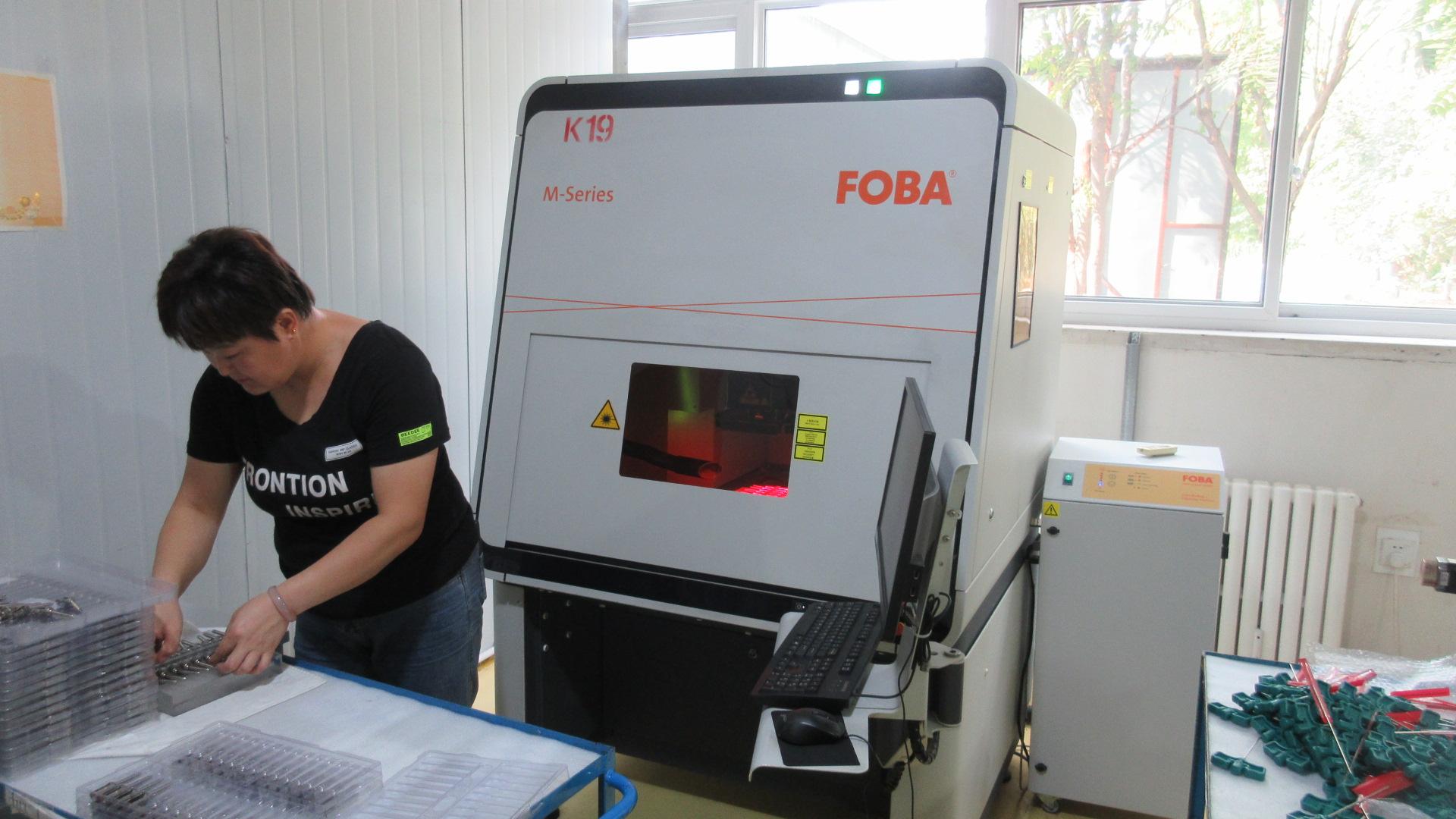
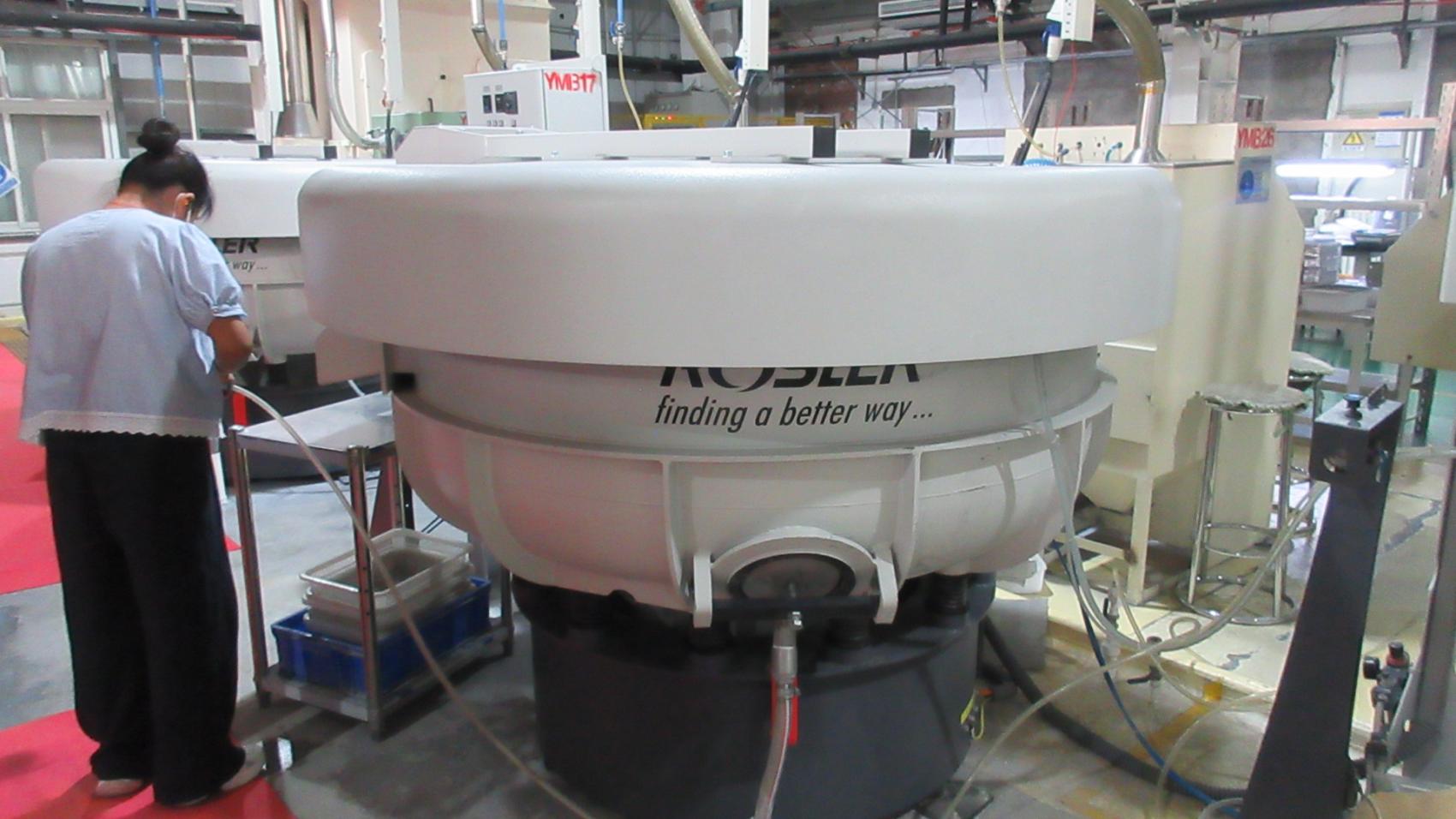
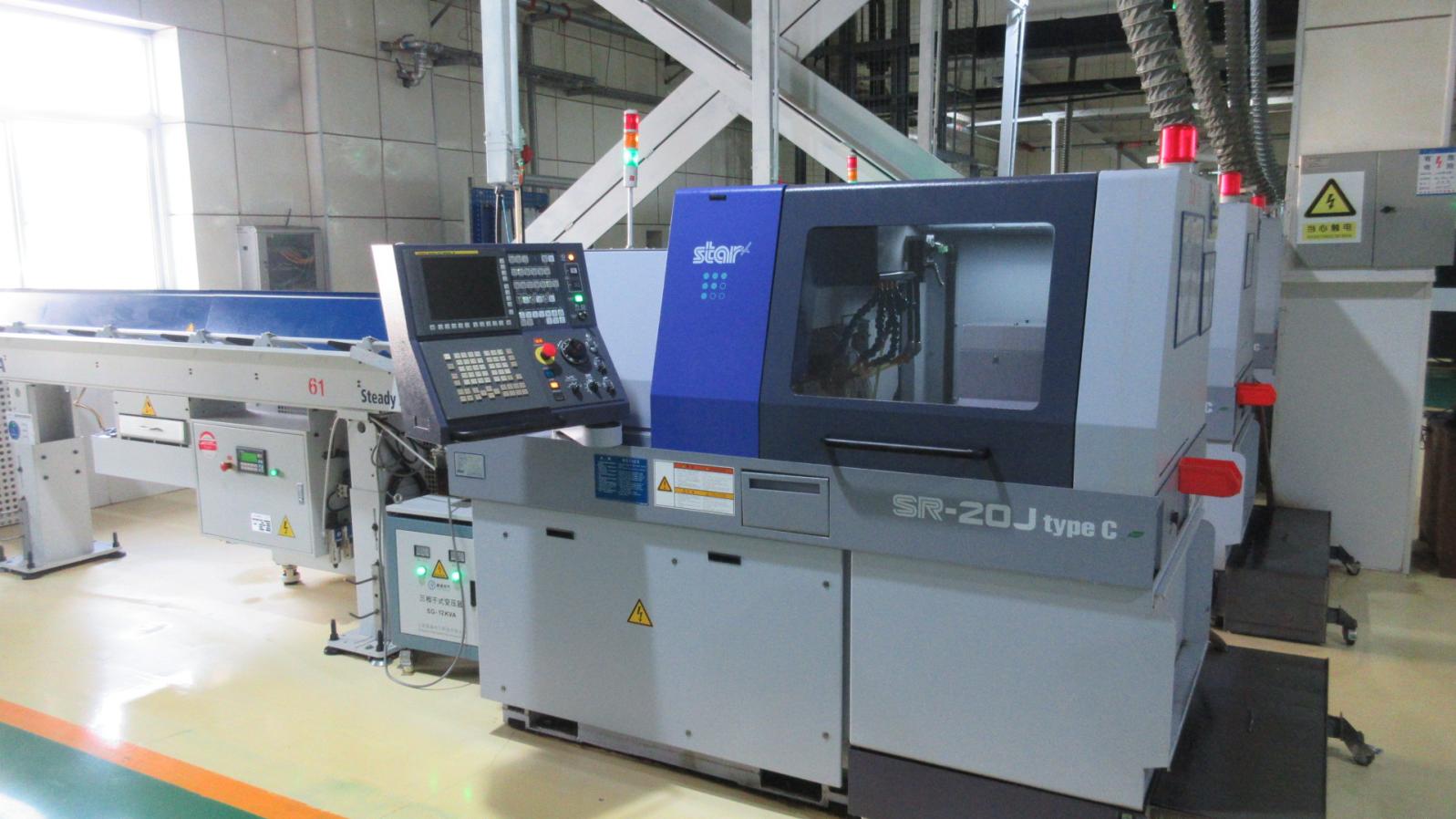
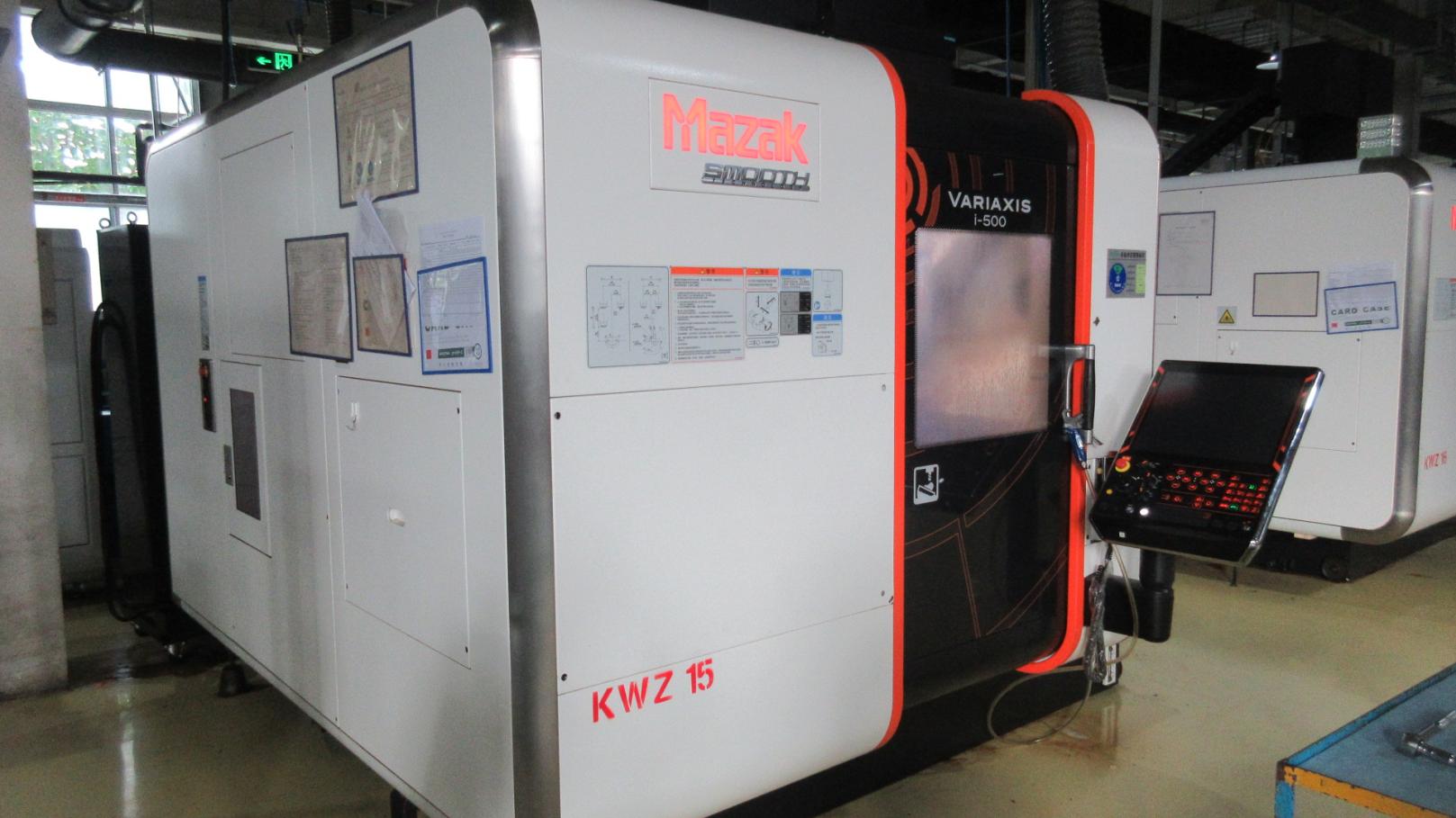
Operating from a 10,000-square-meter facility established in 1996, Fule integrates modern production technologies to manufacture medical-grade orthopedic implants. Utilizing 102 CNC multi-axis milling and turning machines, the facility maintains precise structural tolerances on complex, contoured plates and micro-threaded locking screws.
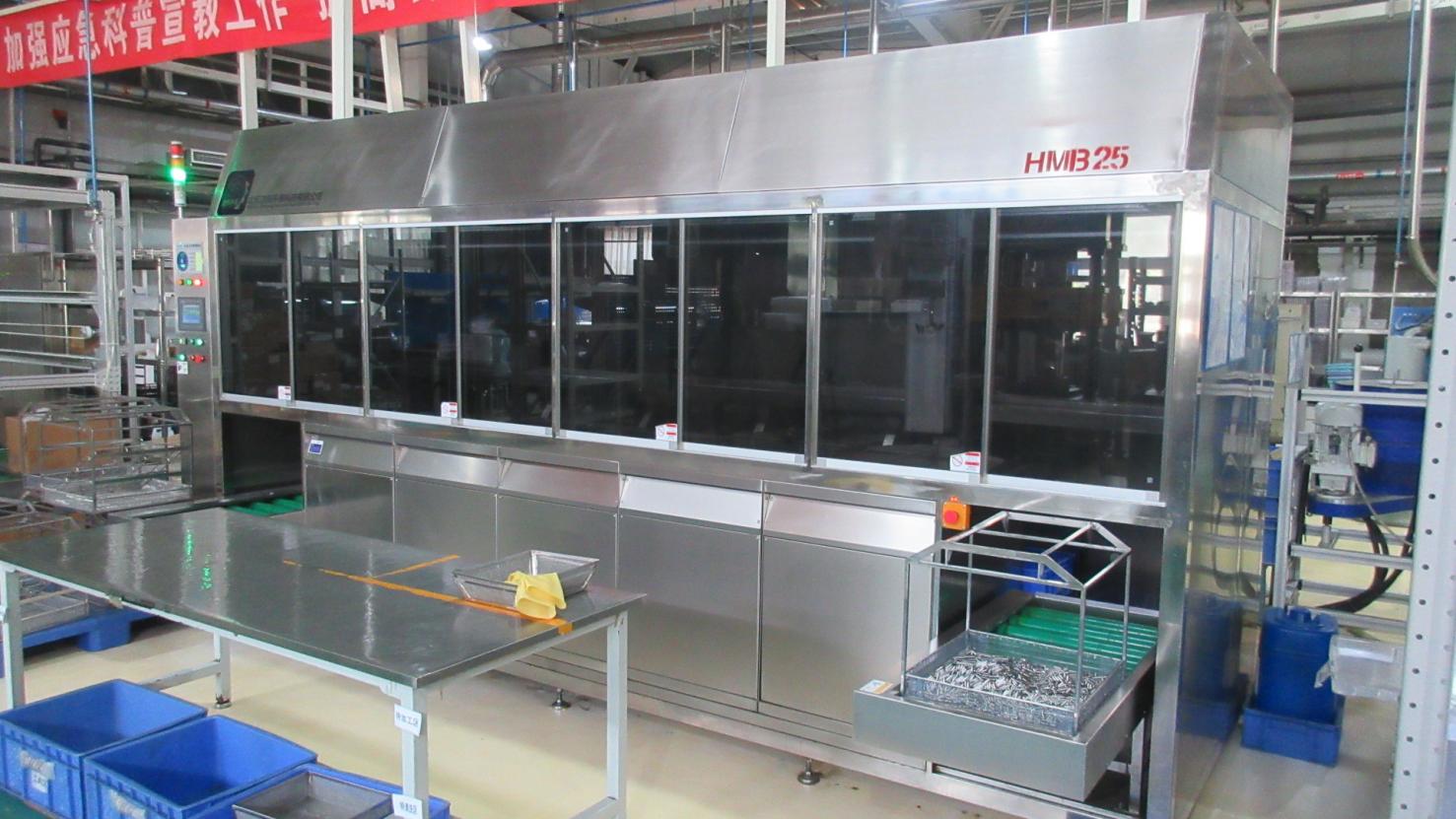
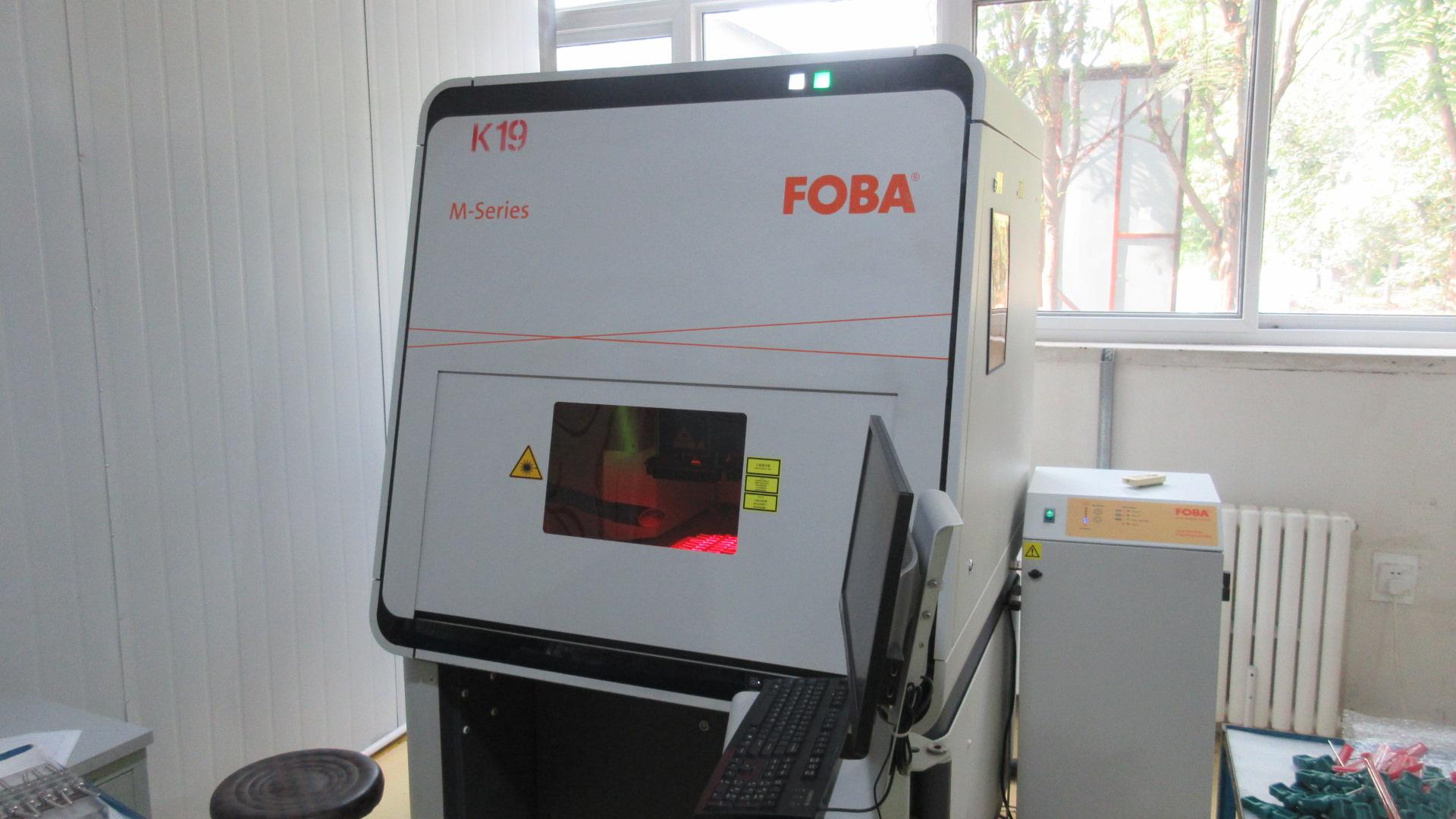
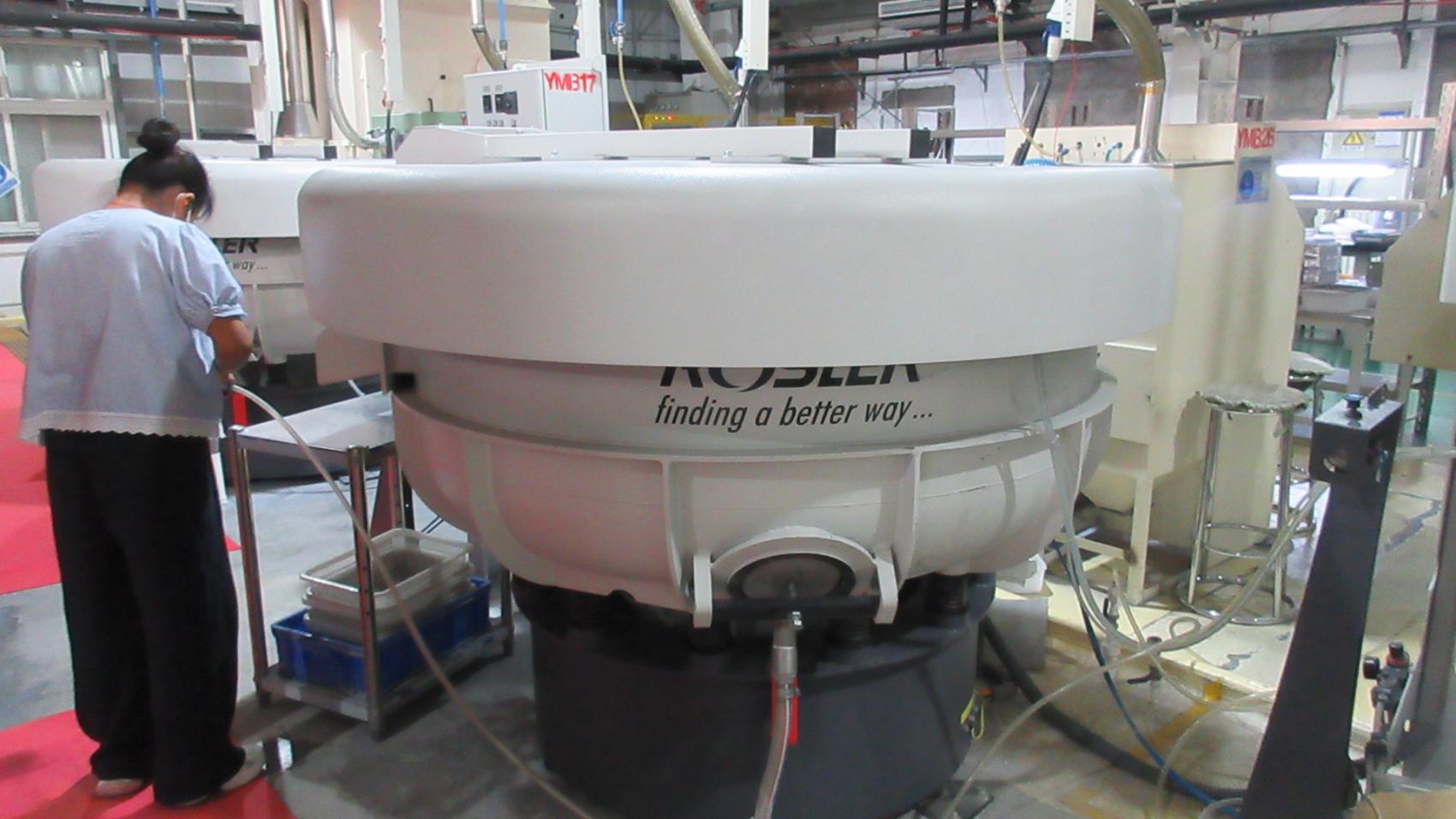
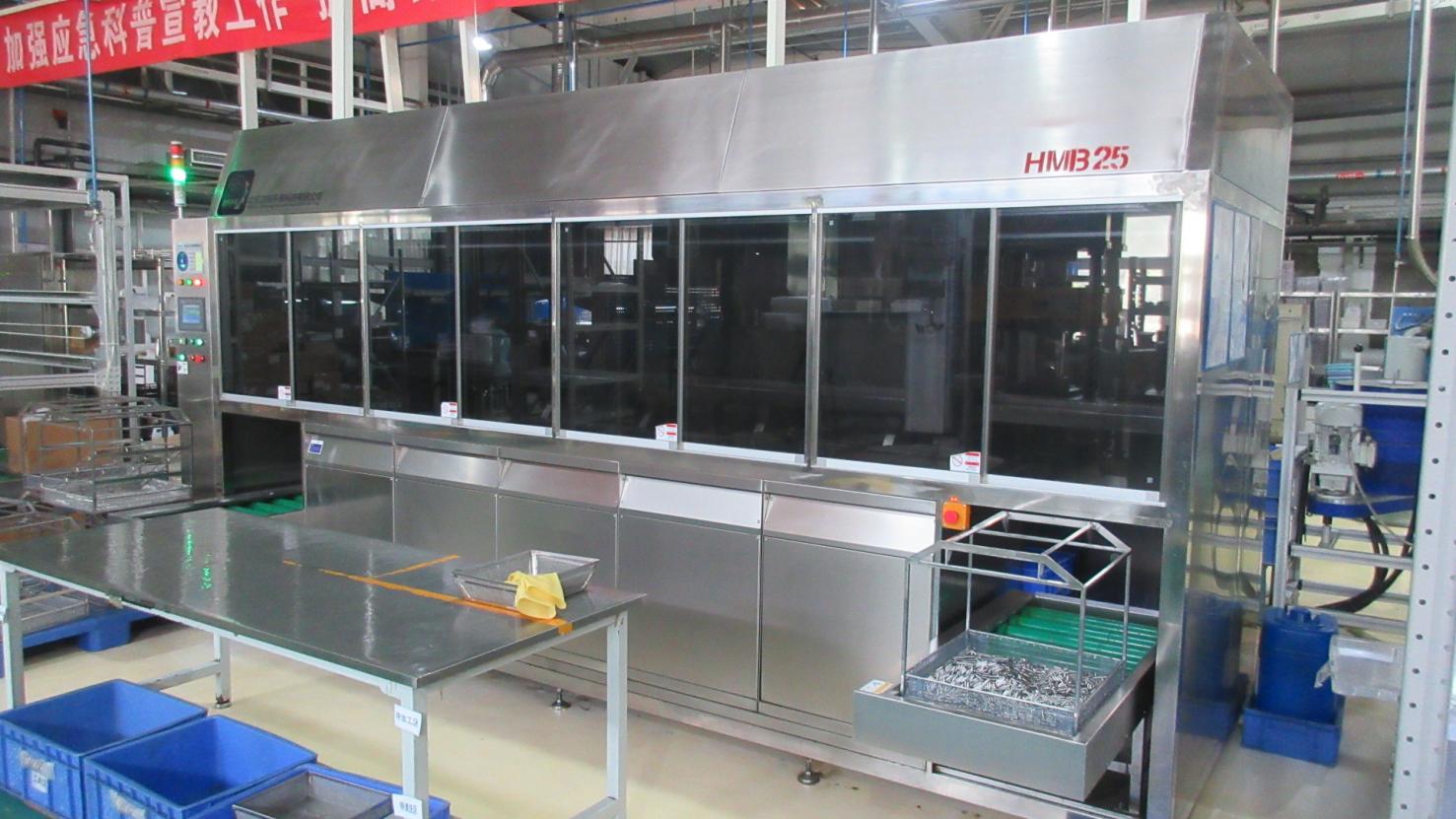
By managing all processes in-house—from raw material analysis and mechanical machining to chemical polishing, cleanroom cleaning, sterilization packaging, and quality testing—the facility minimizes external supply chain risks. This integrated workflow helps guarantee product delivery and consistency for health centers, ministries, and purchasing agents serving destinations such as South Sudan.
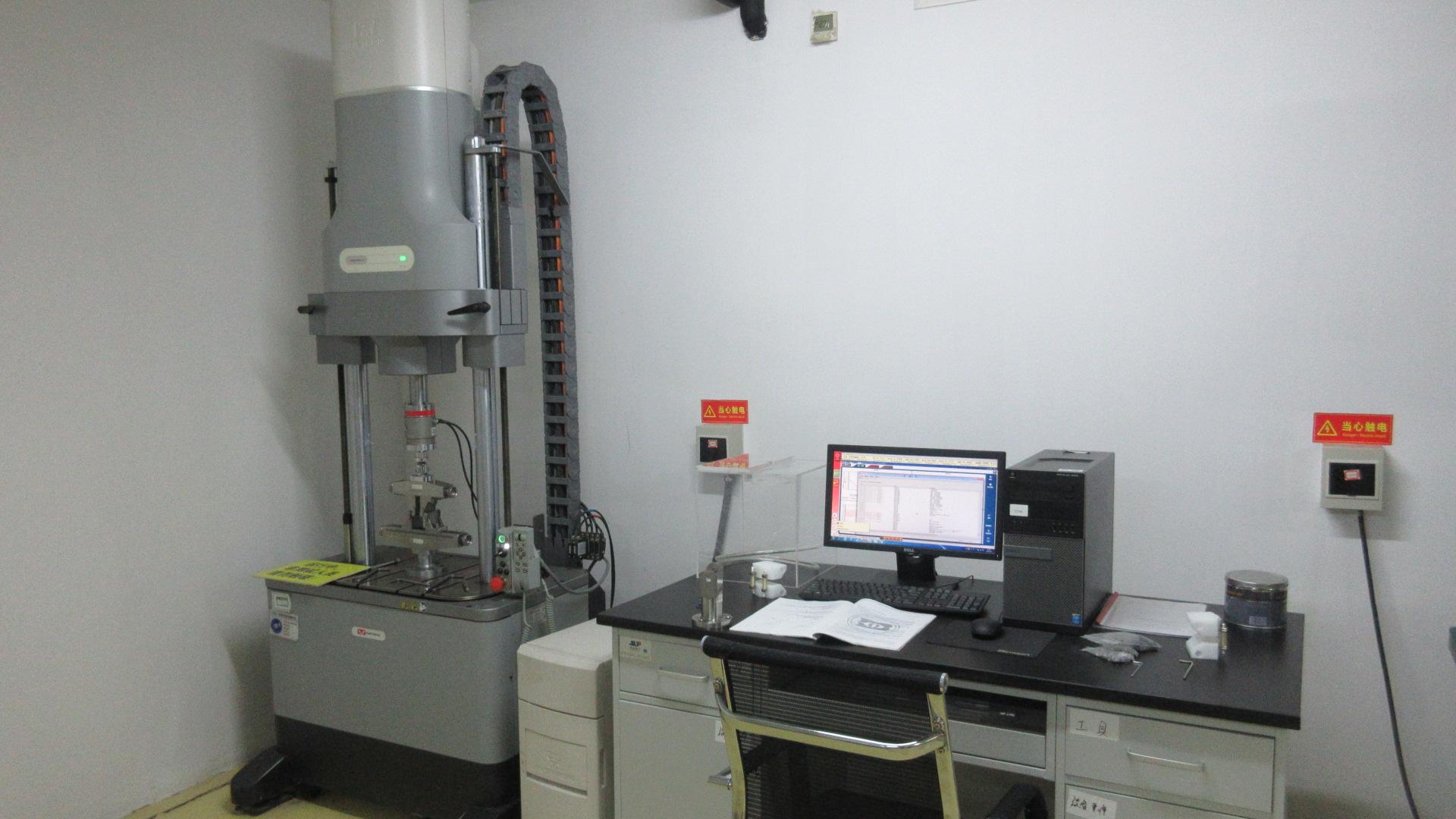
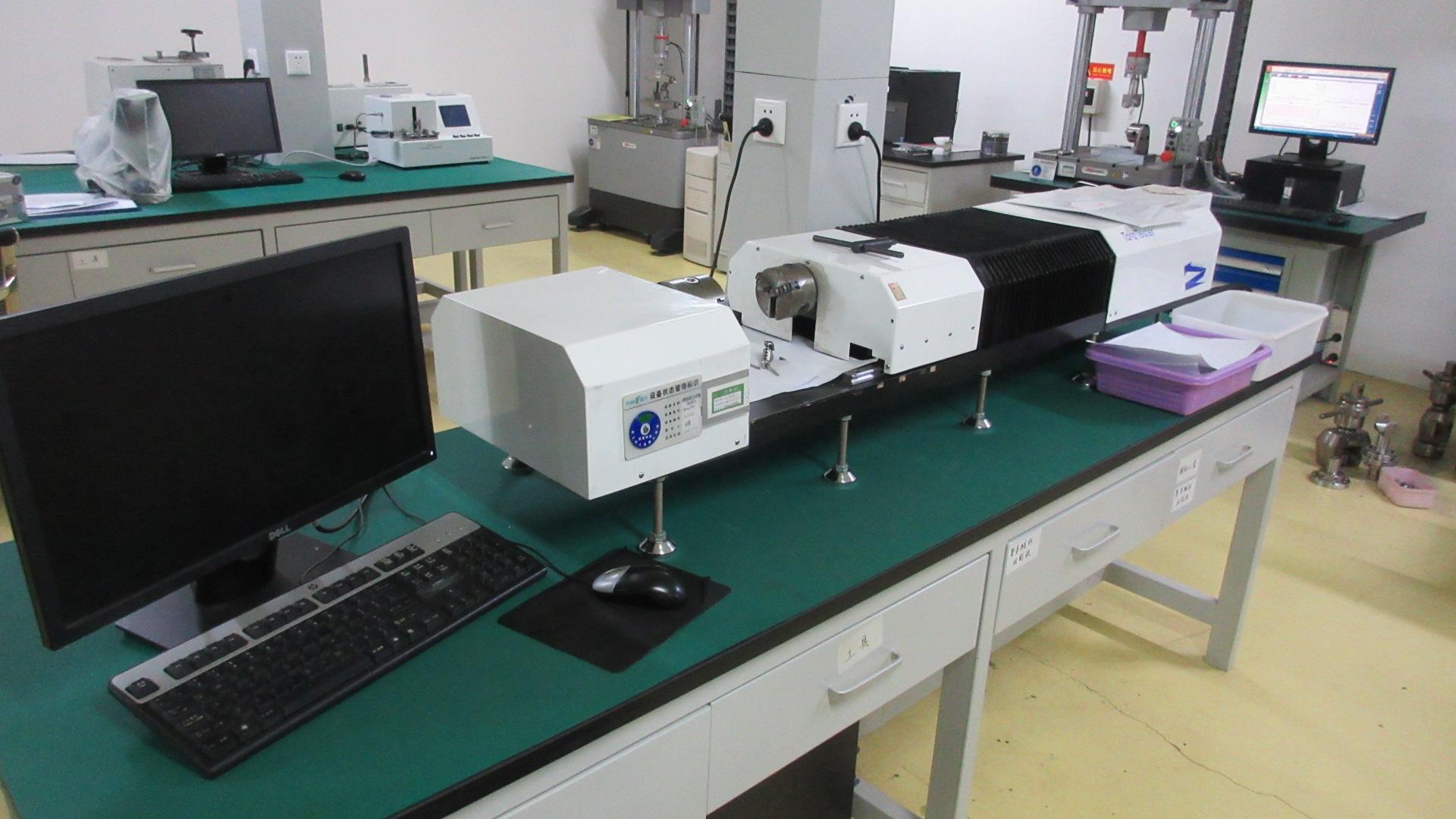
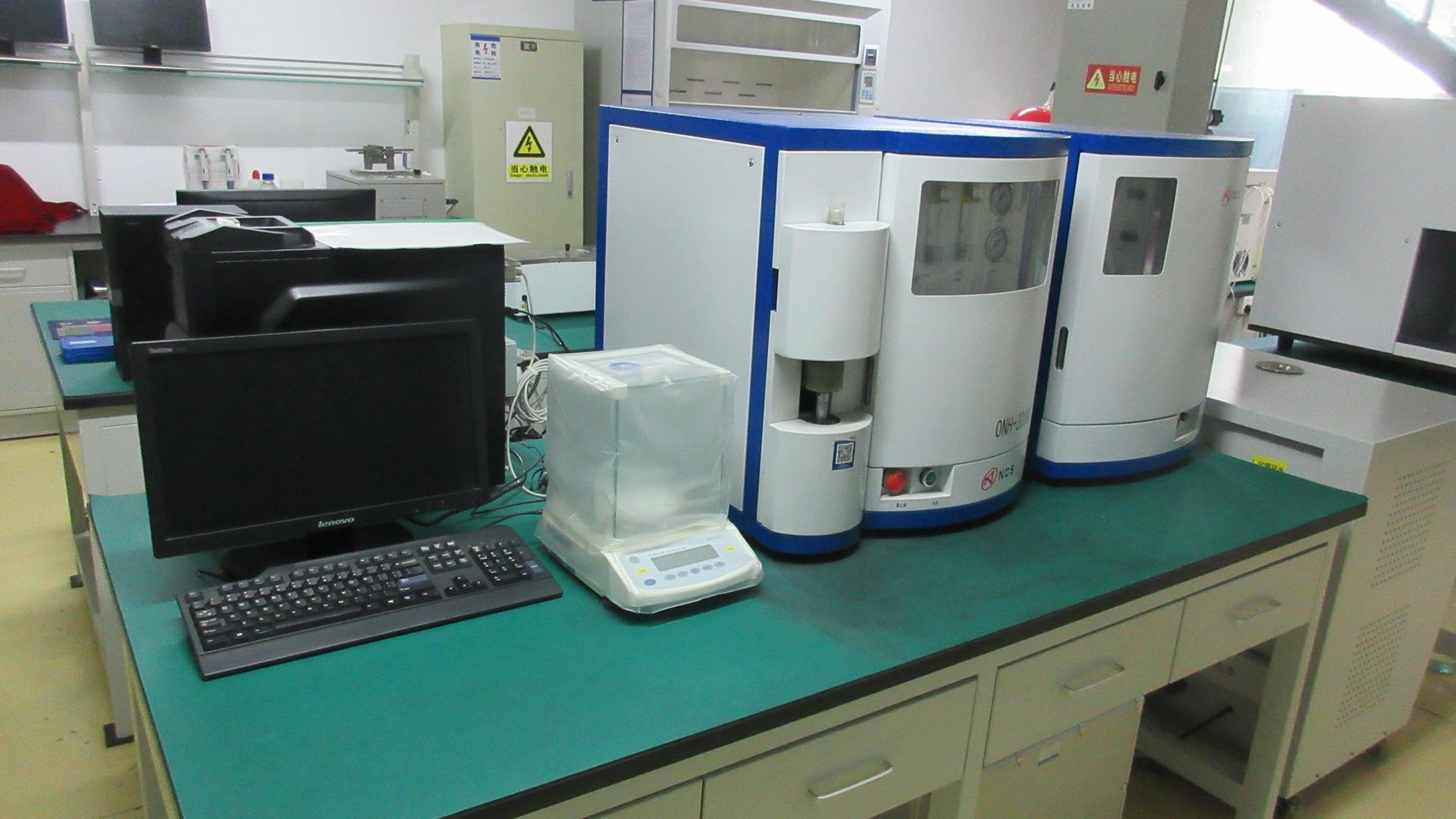
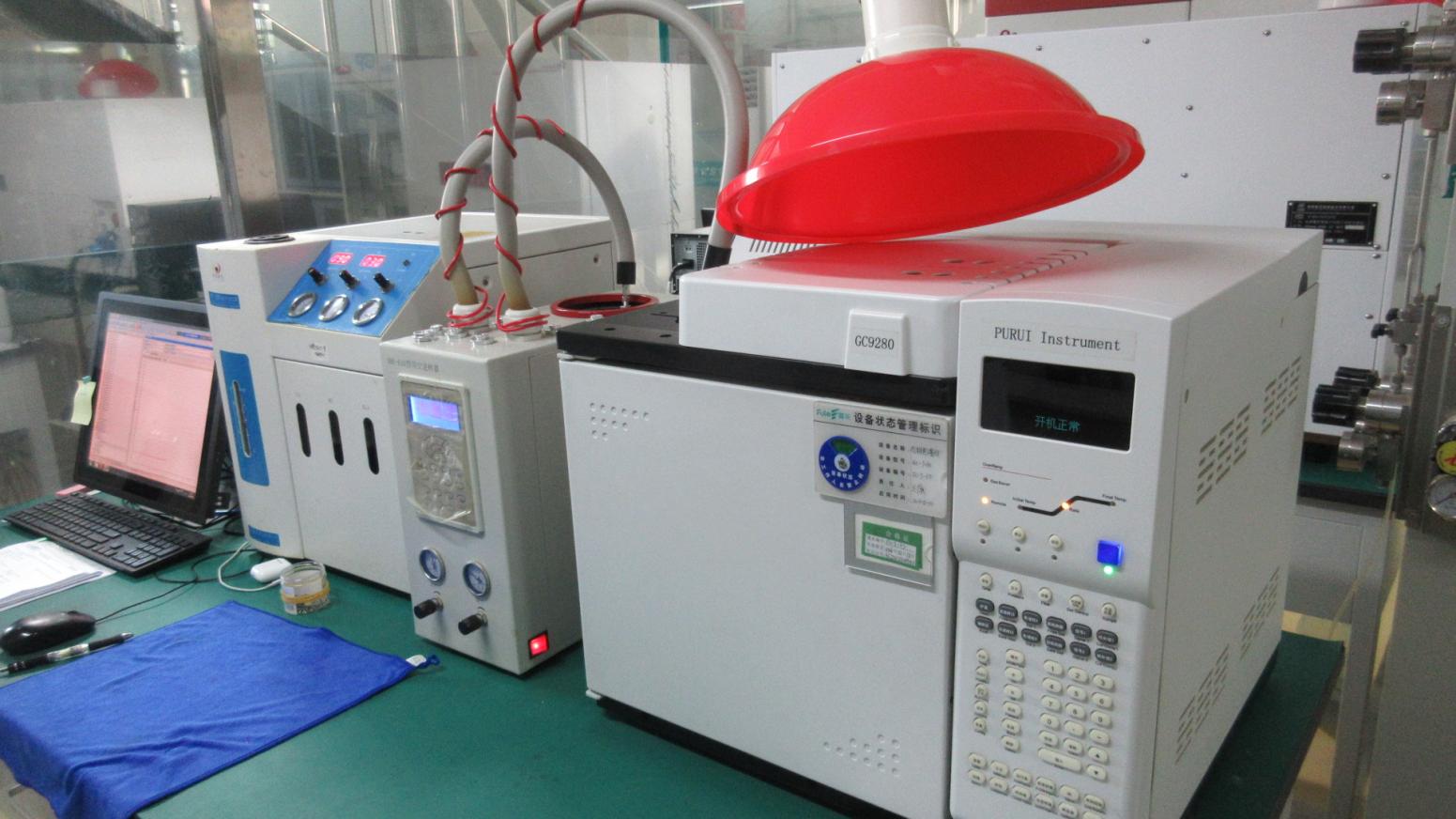
Verification of chemical purity and mechanical properties for every titanium batch via metallurgical testing, ensuring compliance with ASTM standards.
Multi-axis computer-numerical control machining produces uniform threads and anatomical plate contours, minimizing batch-to-batch variation.
15 QA/QC inspectors manage testing throughout production. Cleanroom processing and final sterilization help ensure clinical readiness.
For hospital administrators and procurement directors in South Sudan, regulatory compliance is essential for patient safety. Fule implants are manufactured under a quality management system certified to ISO 13485 standards.
Every delivered implant is fully traceable to its original raw material heat lot. Standardized documentation, including certificates of conformity, sterilization details, and technical manuals, is provided with each delivery to support regulatory clearance and hospital compliance.
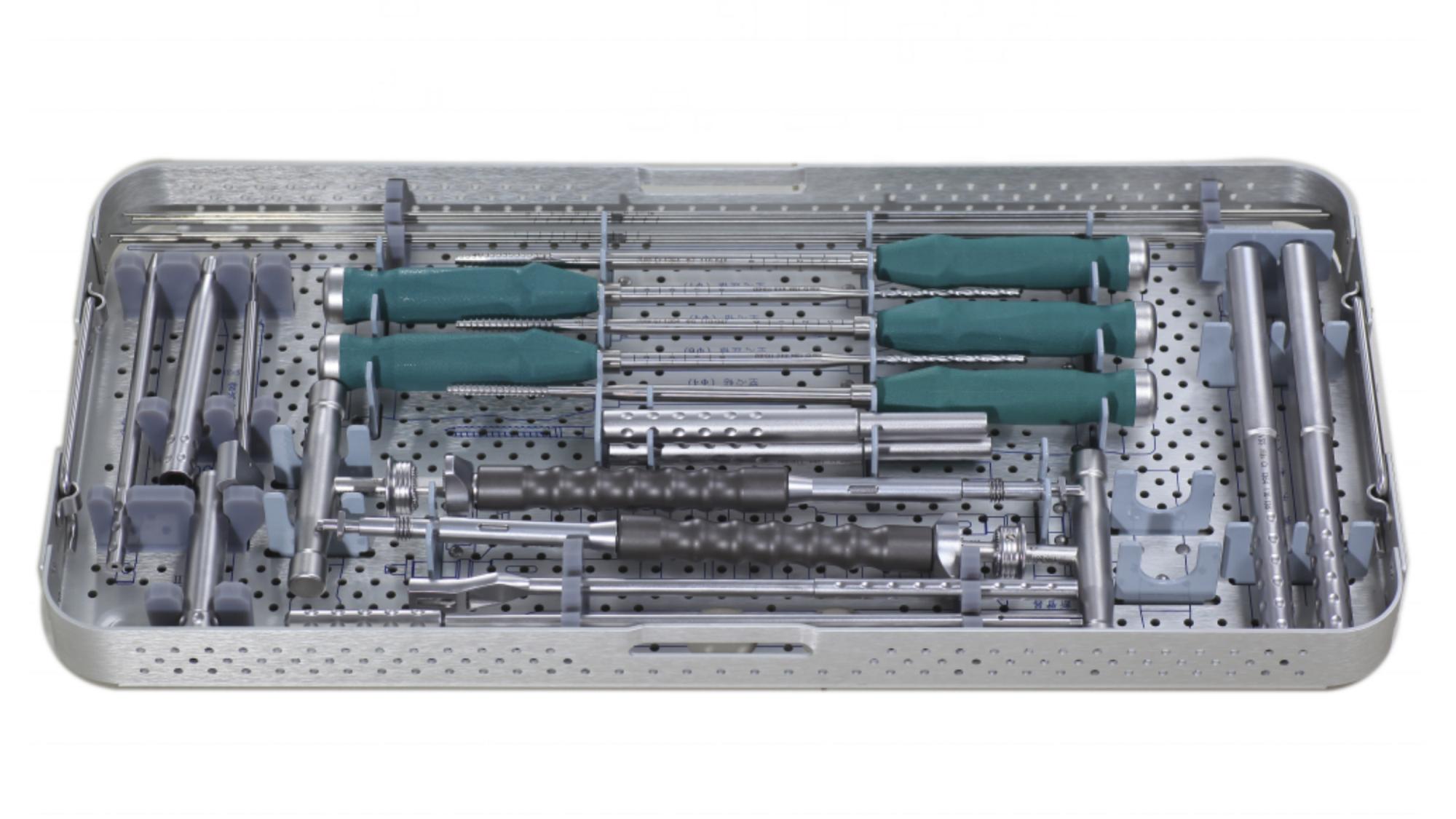
A comprehensive selection of certified bone plates, spinal fixation systems, and reconstructive implants for clinical procurement.
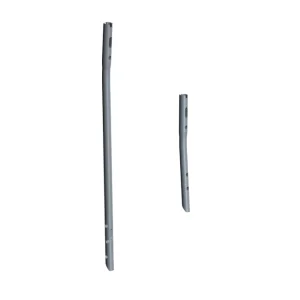
Engineered for proximal femoral fracture fixation, offering stable load-bearing support.
Inquire Now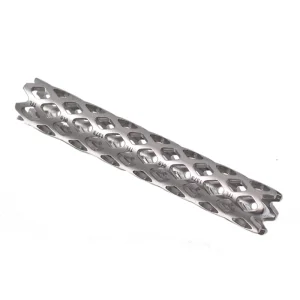
Adaptable, high-precision spinal fixation components suited to diverse clinical anatomies.
Inquire Now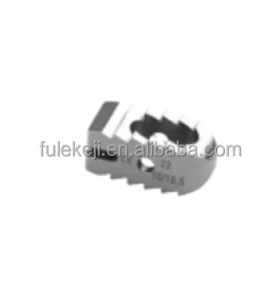
Optimized for posterior lumbar interbody fusion (PLIF), designed to support stable fusion.
Inquire Now
High-grade biocompatible alloy designed for targeted interventional stabilization.
Inquire Now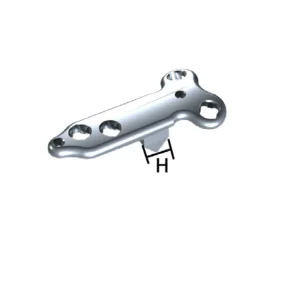
Specifically contoured for ankle joint reconstruction, providing rigid fixation for distal tibia fractures.
Inquire Now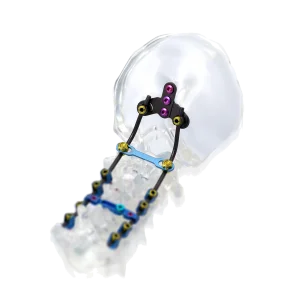
Comprehensive posterior screw-rod system for stabilizing posterior spinal configurations.
Inquire Now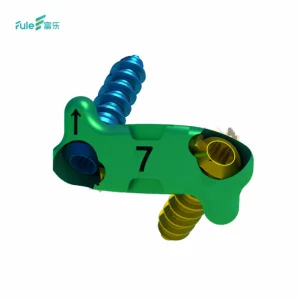
Combines the mechanical strength of titanium with the elasticity of PEEK to encourage natural fusion.
Inquire Now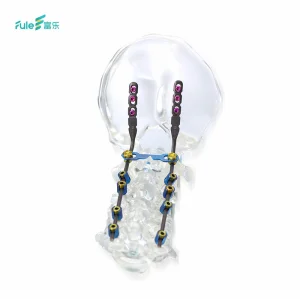
A low-profile posterior construct designed to protect neurovascular structures during spinal stabilization.
Inquire NowAdvancing clinical capabilities and optimizing medical device distribution in East Africa.
Orthopedic implant design is moving toward surface modifications that improve osseointegration and reduce healing times. Fule's R&D team is refining advanced coating technologies, including sub-micron titanium plasma spraying and biomimetic hydroxyapatite (HA) deposits. These enhancements are designed to accelerate direct bone bonding, which is beneficial for patients with compromised healing capacity.
We are also expanding the integration of Polyetheretherketone (PEEK) and carbon-reinforced polymers within our extremity line. For clinical providers in Malakal, these developments will mean access to radiolucent implants that simplify postoperative X-ray monitoring, helping doctors track callus formation without metal artifact distortion.
Providing medical hardware to South Sudan requires clear planning, robust supply lines, and open communication. Fule offers tailored support services for international NGOs, procurement agencies, and private distributors in Juba and Malakal:
Addressing common questions regarding shipping logistics, regulatory compliance, and implant customization for South Sudan.
 Fule
Fule