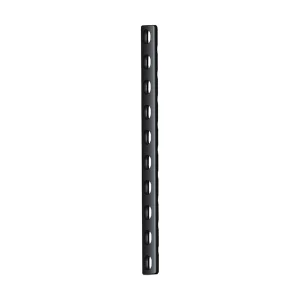
Explore our flagship bio-absorbable tissue closure solutions and high-precision titanium internal fixation systems tailored for Kathmandu's top-tier traumatology centers and surgical institutions.
Kathmandu, the political, financial, and healthcare nerve center of Nepal, is experiencing an unprecedented expansion in surgical infrastructure. Premier tertiary healthcare facilities—including Bir Hospital, Tribhuvan University Teaching Hospital (TUTH), Nepal Mediciti, and Norvic International Hospital—are witnessing a surge in surgical volume across general surgery, obstetrics/gynecology, trauma care, and pediatric orthopedics.
Despite this rapid clinical growth, local procurement officers and surgical supply chains in Bagmati Province face acute challenges. Historically dependent on fragmented regional distributors, hospitals in Kathmandu often struggle with inconsistent batch quality, volatile pricing, disrupted import lead times, and variable sterile packaging integrity due to Kathmandu's humid warm-temperate climate during monsoon seasons.
Natural absorbable sutures—specifically Chromic Catgut and Plain Catgut—remain essential tools in the Nepalese operating theater. Prized for their exceptional handling knot security, rapid enzymatic absorption, and superior tensile dynamics in high-vascularity tissues, surgical catgut demands strict adherence to international biomedical standardizations. Establishing direct OEM supply pipelines between international manufacturing powerhouses (such as Beijing Fule Science & Technology Development Co., Ltd.) and Kathmandu healthcare distributors is critical to overcoming localized supply bottlenecks.
Catgut sutures are manufactured from biological collagen strands harvested from the purified submucosal layer of bovine (cattle) or ovine (sheep) intestines. The biomechanical efficacy of catgut depends heavily on the chemical purity of the collagen matrix, tensile strand twisting techniques, and uniform chromic salt treatment.
Unmodified pure collagen fibers processed for rapid internal tissue absorption. Retains functional tensile strength for 7 to 10 days post-implantation, with complete proteolytic absorption occurring between 70 to 90 days. Ideal for fast-healing mucosal membranes and superficial GI mucosal closure.
Treated with trivalent chromium salts ($Cr^{3+}$) to cross-link collagen fibrils. This chemical tanning delays enzymatic breakdown by body proteases, extending tensile strength retention to 21 to 28 days, with full absorption complete in 90 to 120 days. Excellent for episiotomy, urology, and gynecological surgeries.
Sterilized using high-dose Gamma Irradiation ($\gamma$-ray) or validated Ethylene Oxide (EO) gas processes in fluid-filled aluminum foil packets containing isopropyl alcohol/water solutions to maintain fiber pliable flexibility and prevent endotoxin contamination (<0.25 EU/mL).
| Suture Type | Raw Material Base | Tensile Retention Period | Complete Absorption Time | Tissue Reactivity | Primary Clinical Indications in Kathmandu |
|---|---|---|---|---|---|
| Plain Catgut | Purified Bovine/Ovine Submucosa | 7 - 10 Days | 70 - 90 Days | Moderate (Enzymatic) | Mucosal approximation, Subcuticular skin, Dental procedures |
| Chromic Catgut | Chromium Salt Cross-Linked Collagen | 21 - 28 Days | 90 - 120 Days | Low-Moderate | OB/GYN, Episiotomy, Urological & GI tract repairs |
| PGA (Synthetic) | Polyglycolic Acid Polymer | 21 - 30 Days | 60 - 90 Days | Minimal (Hydrolysis) | General soft tissue ligation, Orthopedic muscle reattachment |
| PGLA (Vicryl Equiv.) | Poly(glycolide-co-l-lactide) | 28 - 35 Days | 56 - 70 Days | Minimal (Hydrolysis) | Ophthalmic, General Closure, Pediatric surgery |
The global medical suture market is projected to reach $6.8 Billion by 2030, expanding at a CAGR of 6.2%. While synthetic polymers (such as PGA, PGLA, and PDO) dominate high-income western health markets, natural collagen Catgut maintains an irreplaceable market share across South Asian developing economies, particularly Nepal, India, and Bangladesh.
The driving factors for Catgut's strong presence in Kathmandu center around unmatched knot security (elastic fiber stretch prevents slippage under surgical tension), rapid natural enzymatic absorption without foreign body polymer residues, and cost efficiency in public health tenders. Furthermore, with the growth of medical tourism in Kathmandu and private healthcare networks, there is double demand: high-volume economical Chromic/Plain Catgut for essential surgeries alongside premium titanium implant infrastructure for complex spinal and trauma interventions.
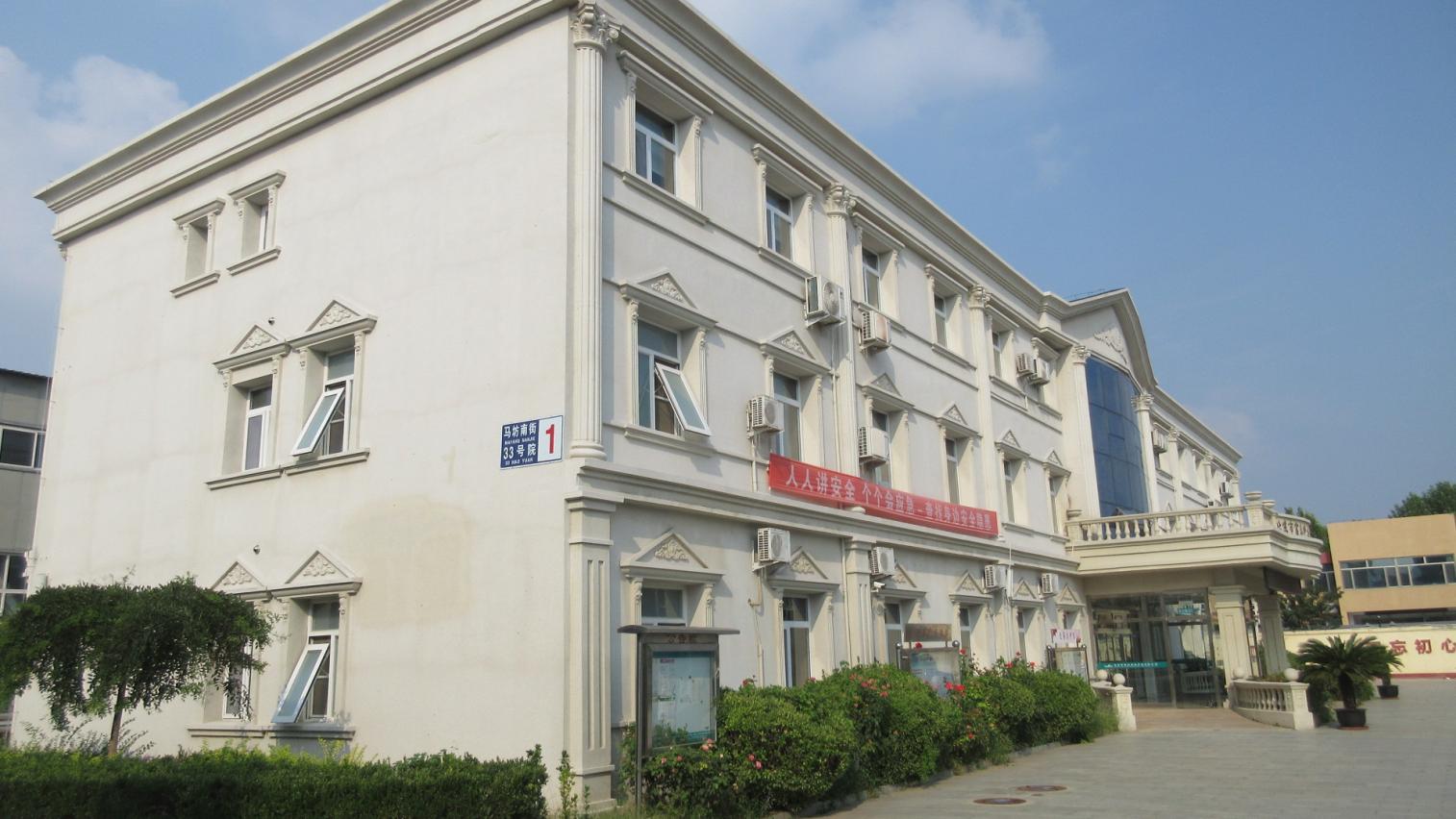
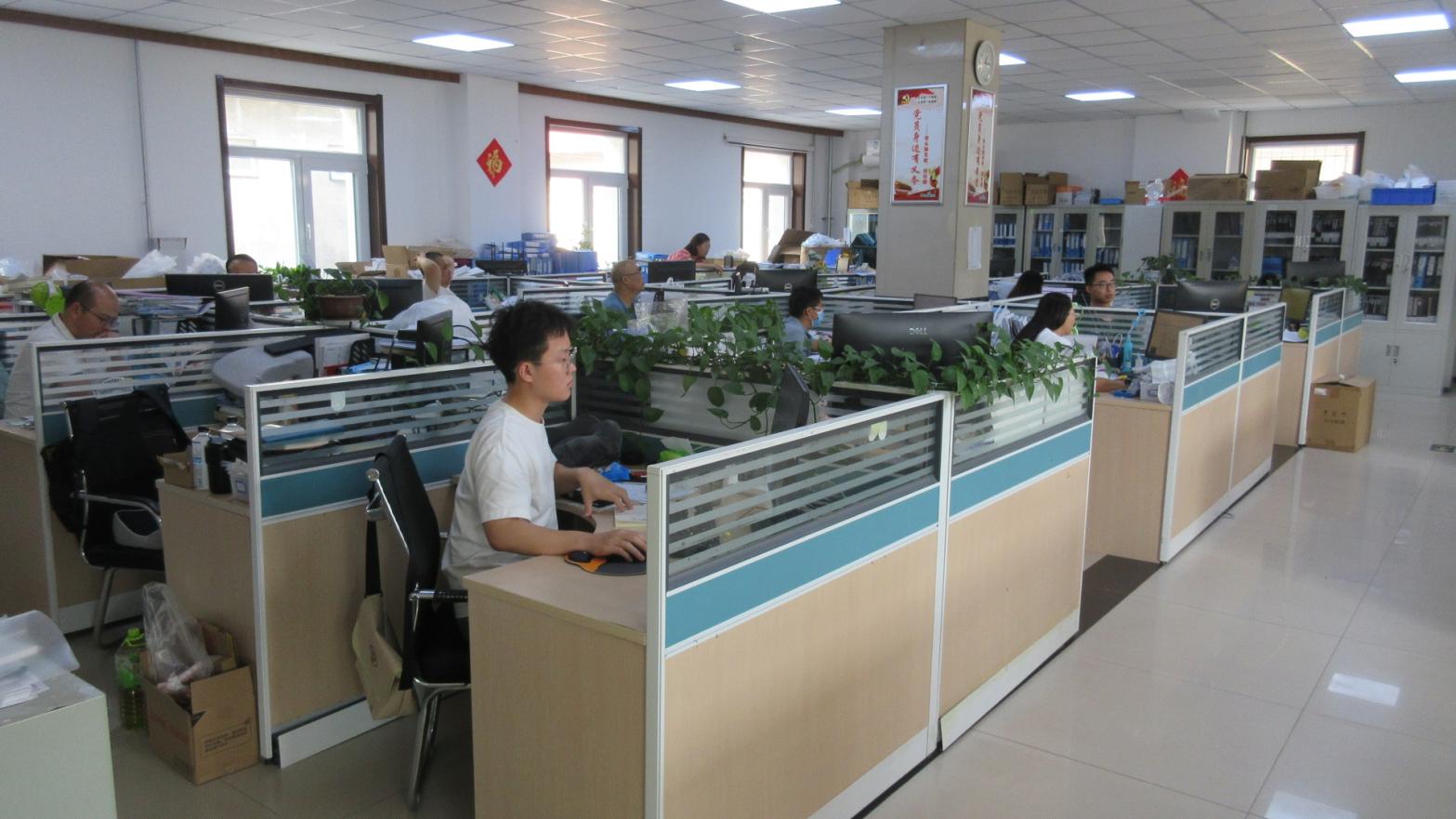
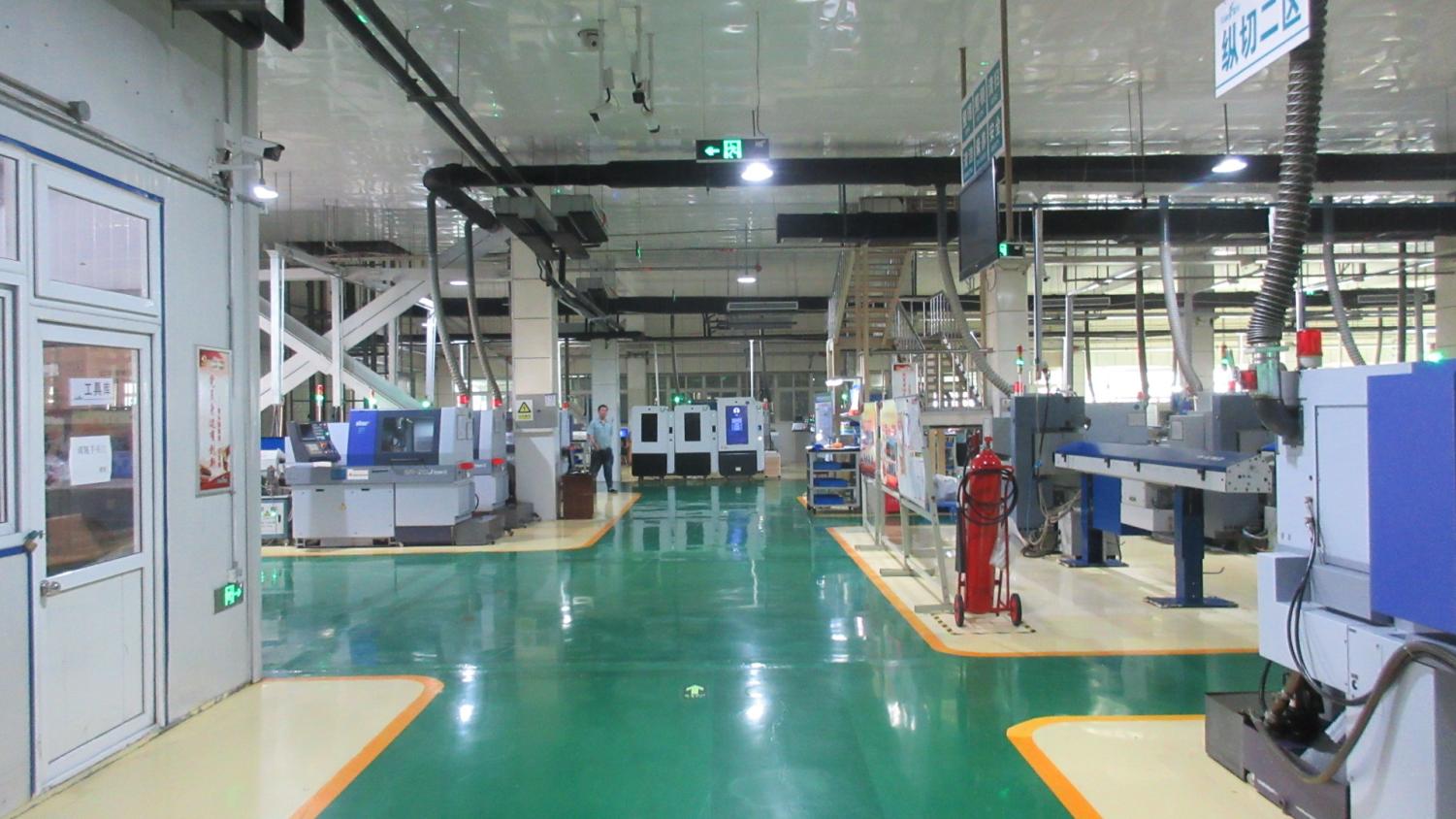
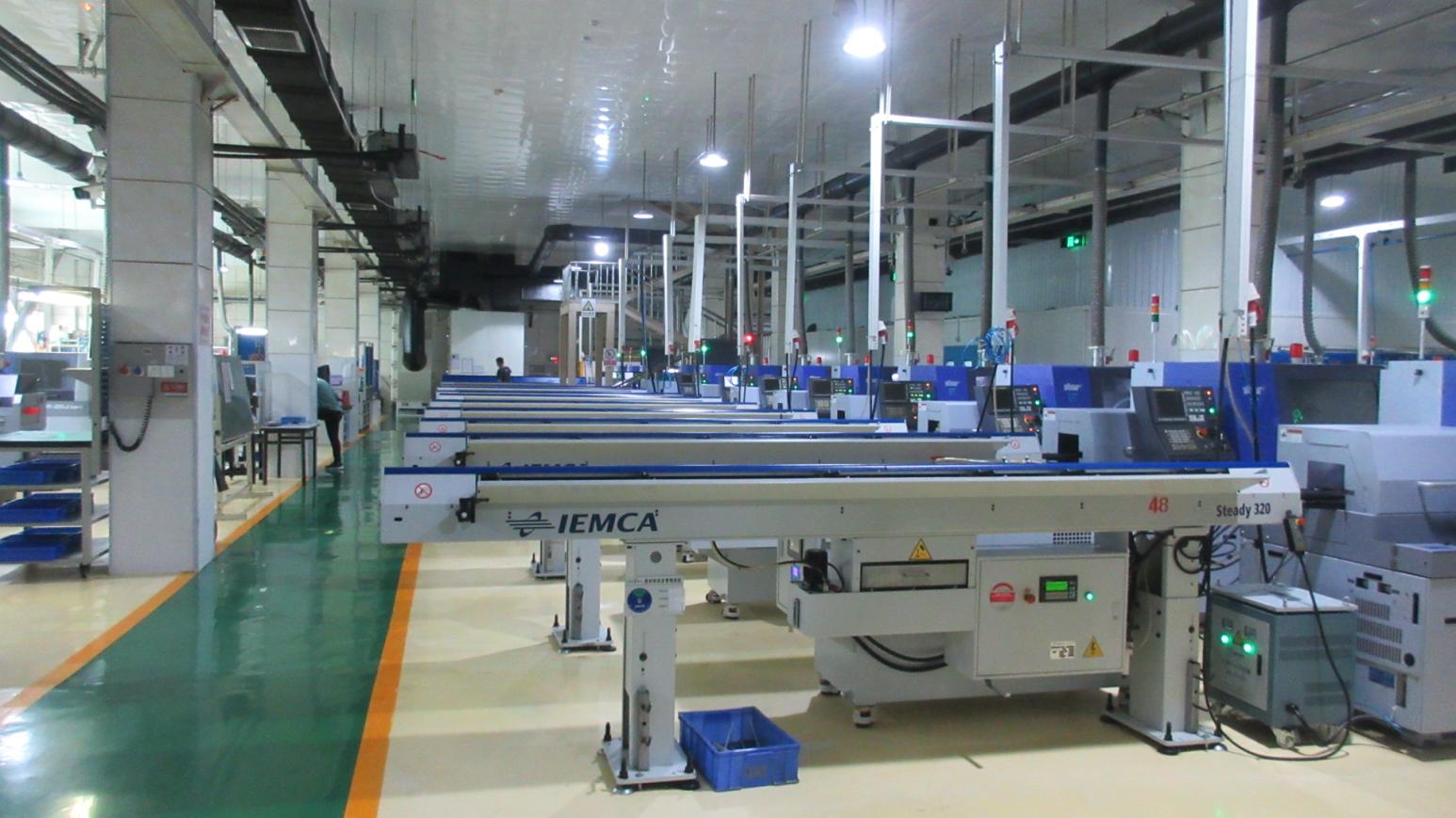
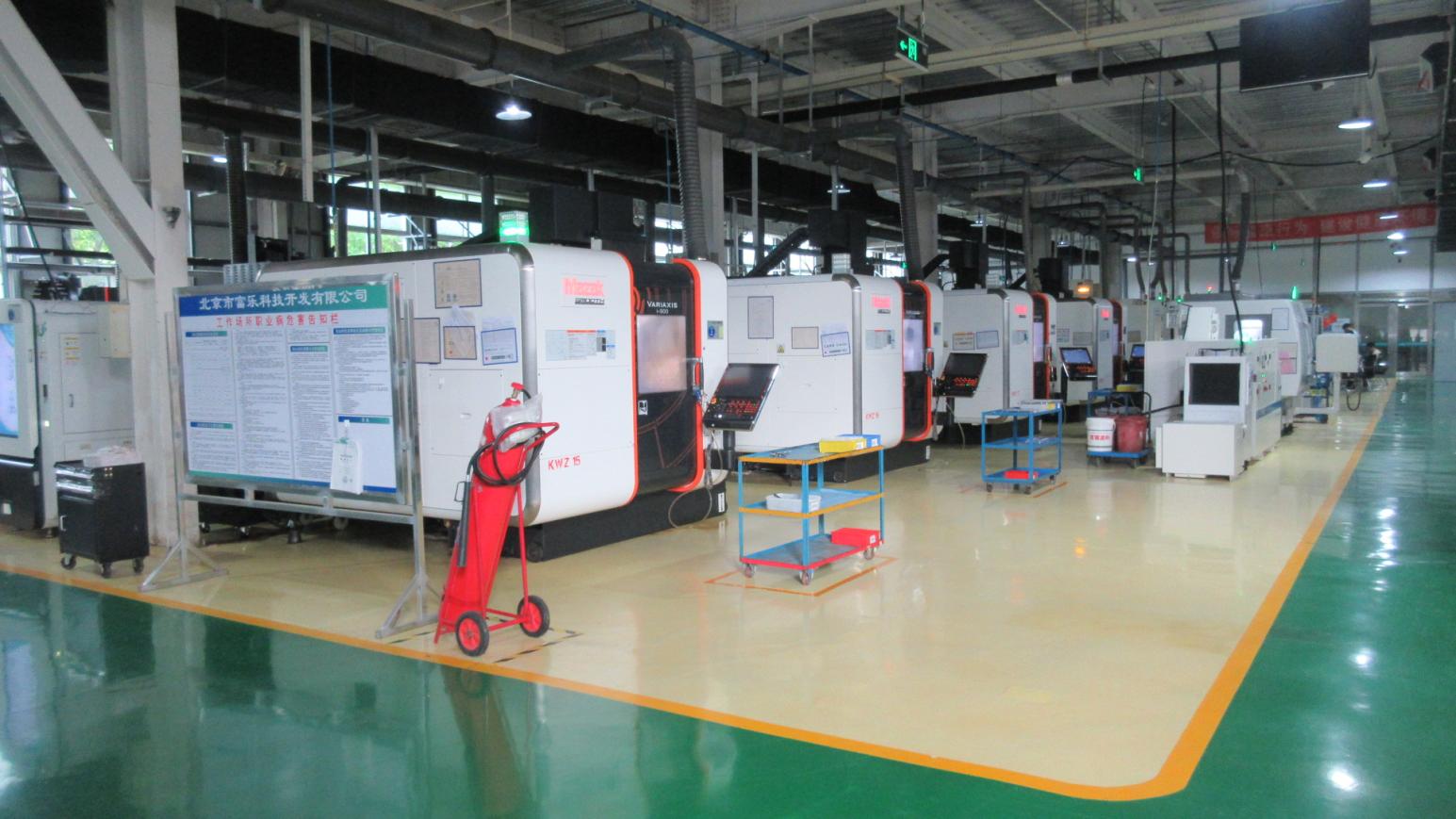
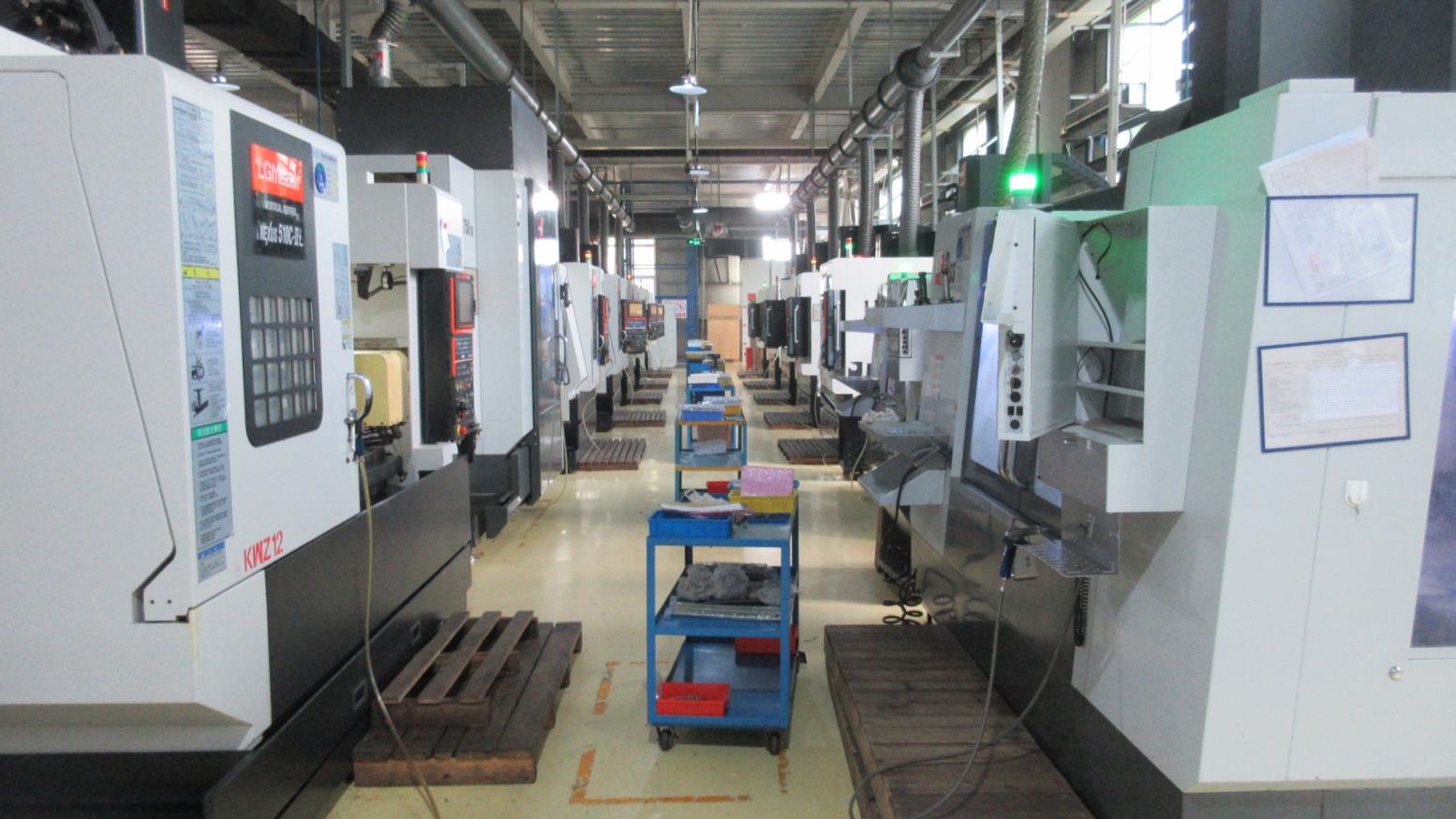
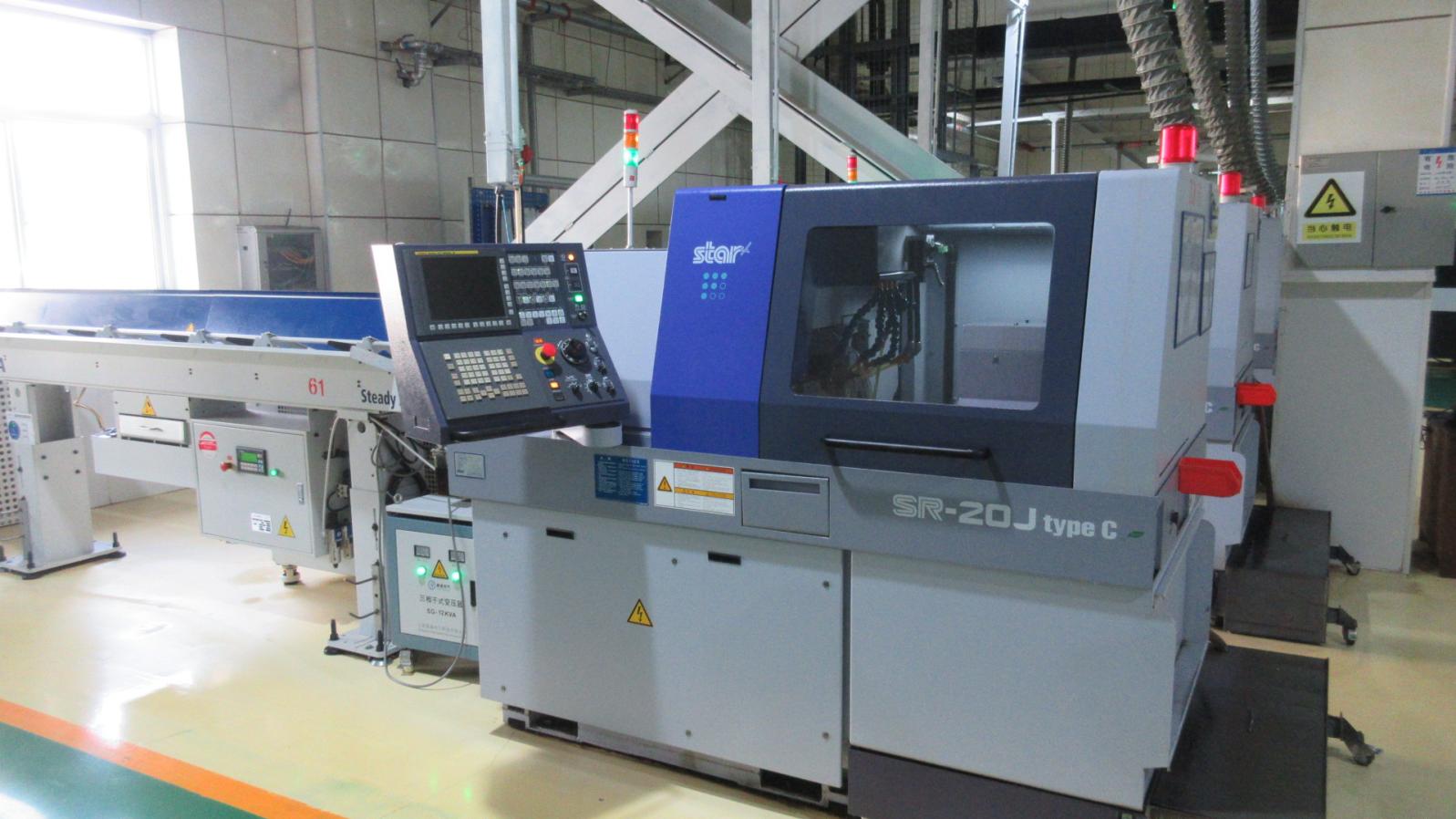
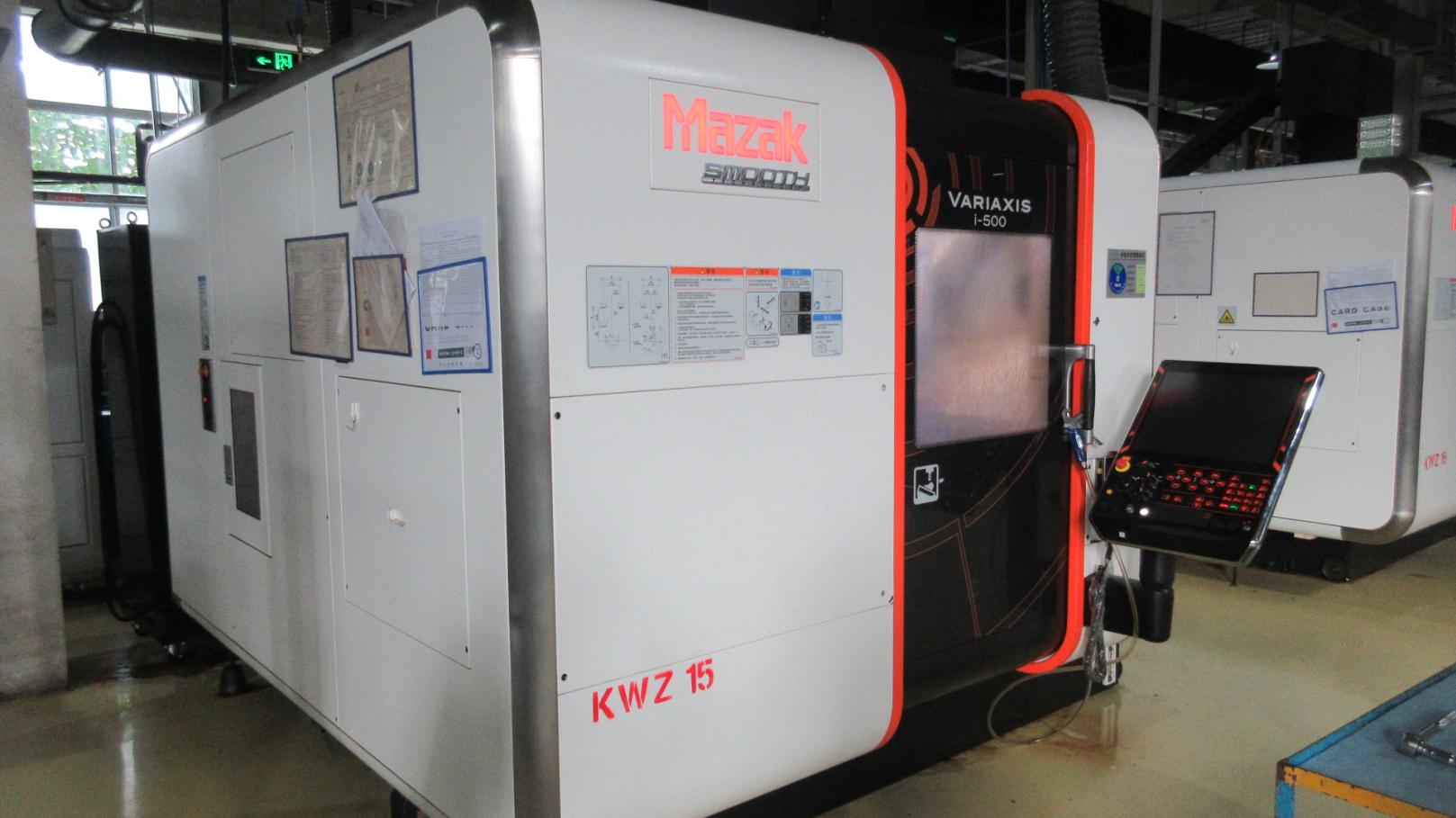
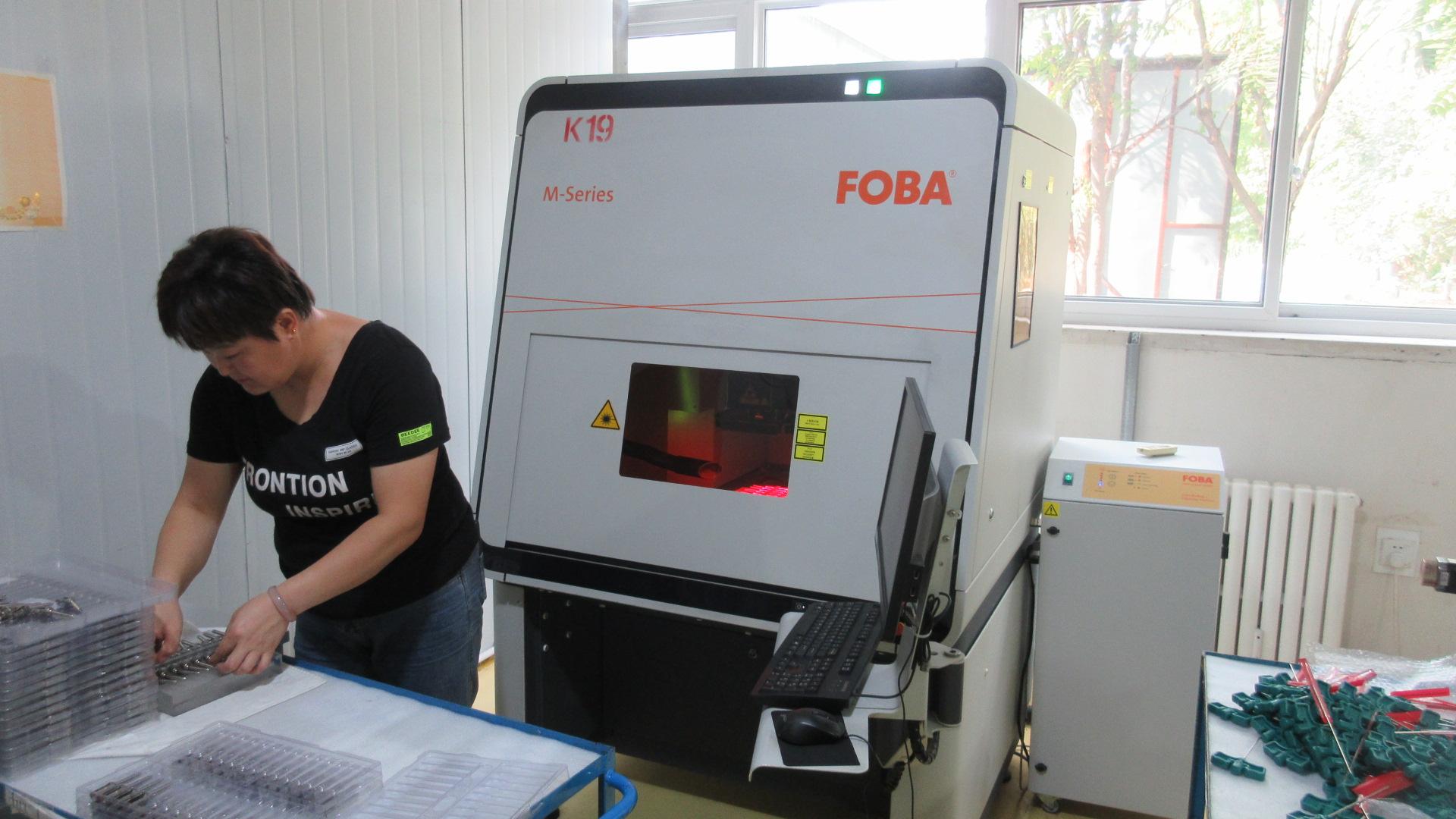
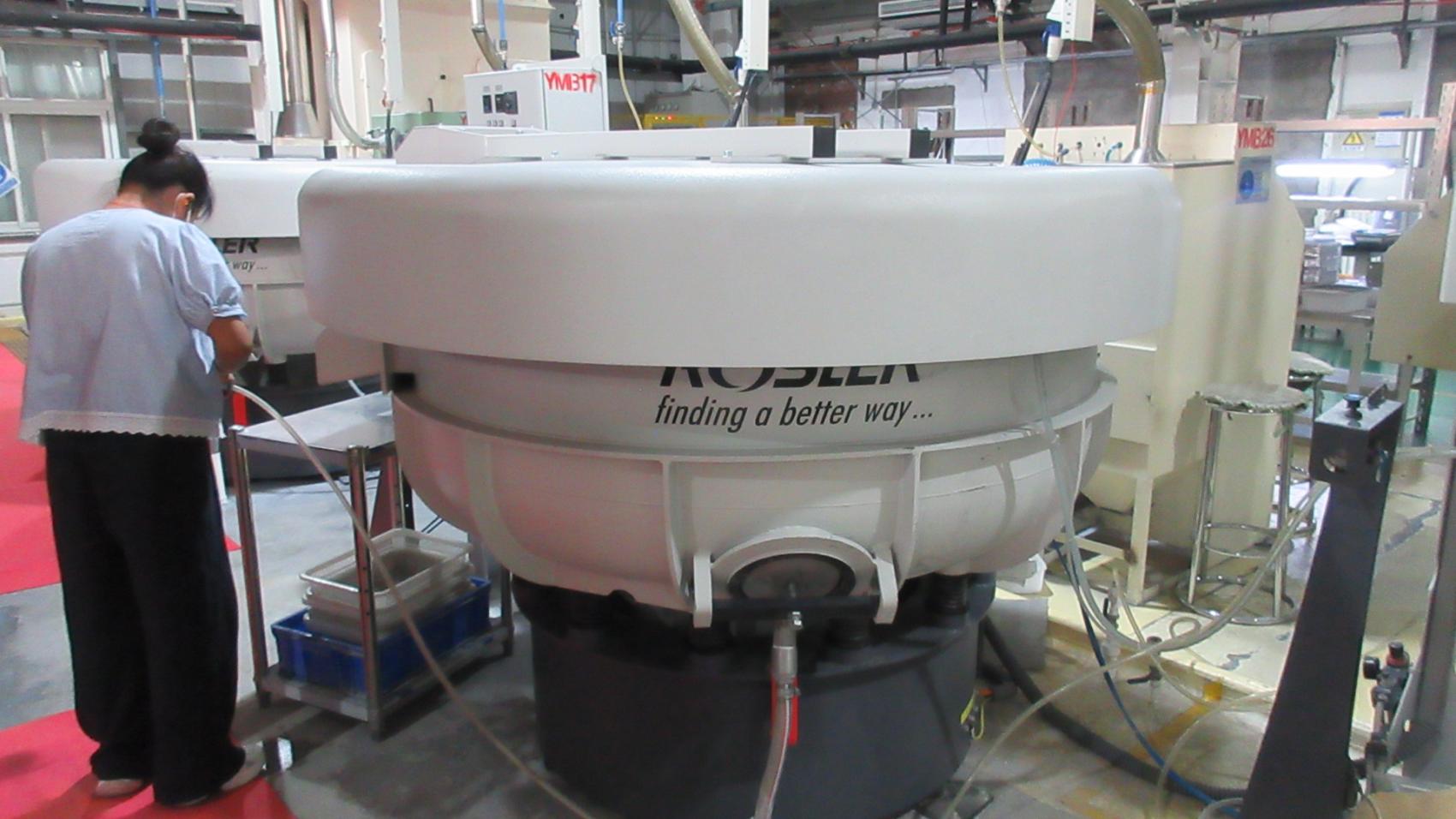
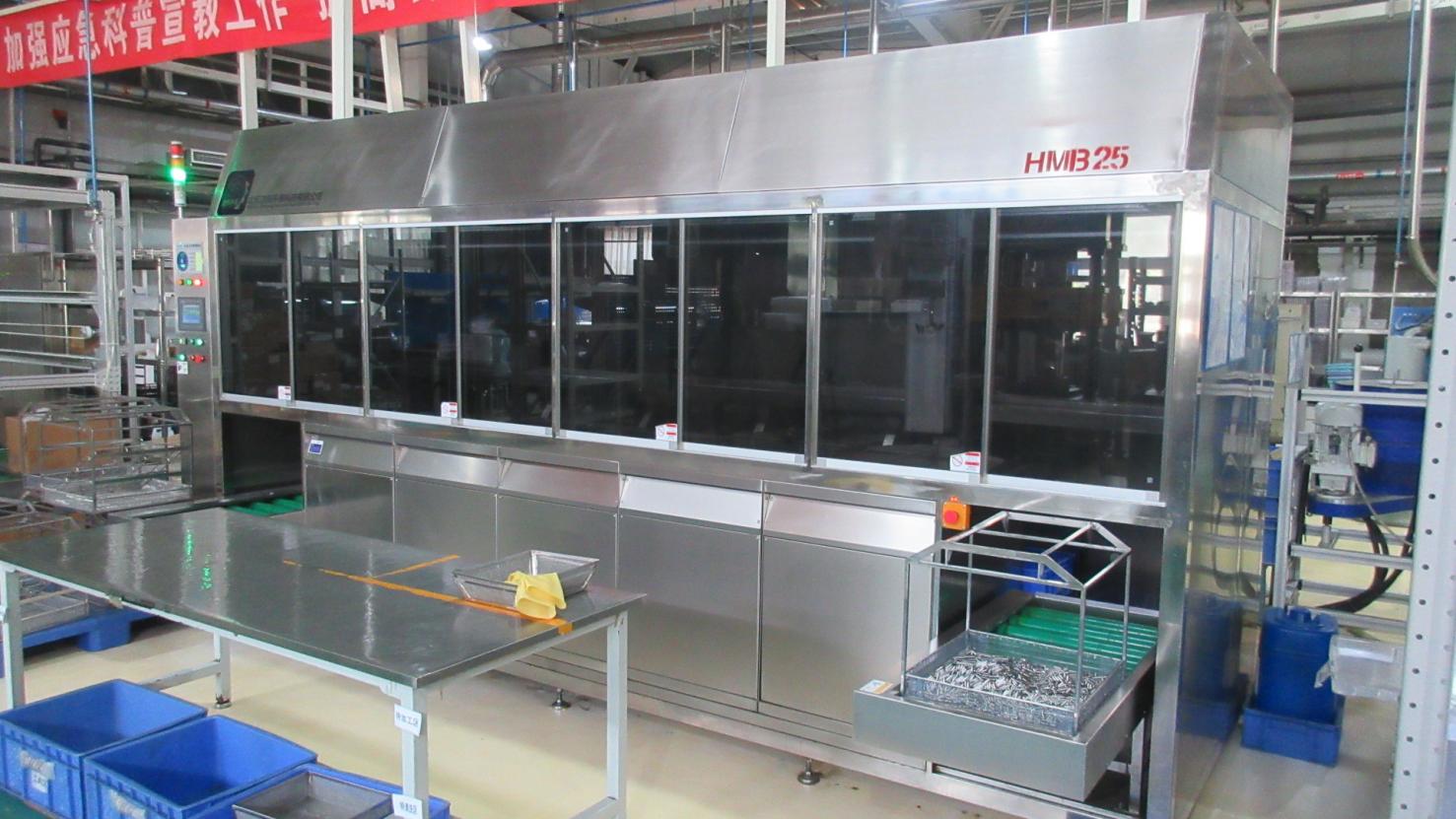
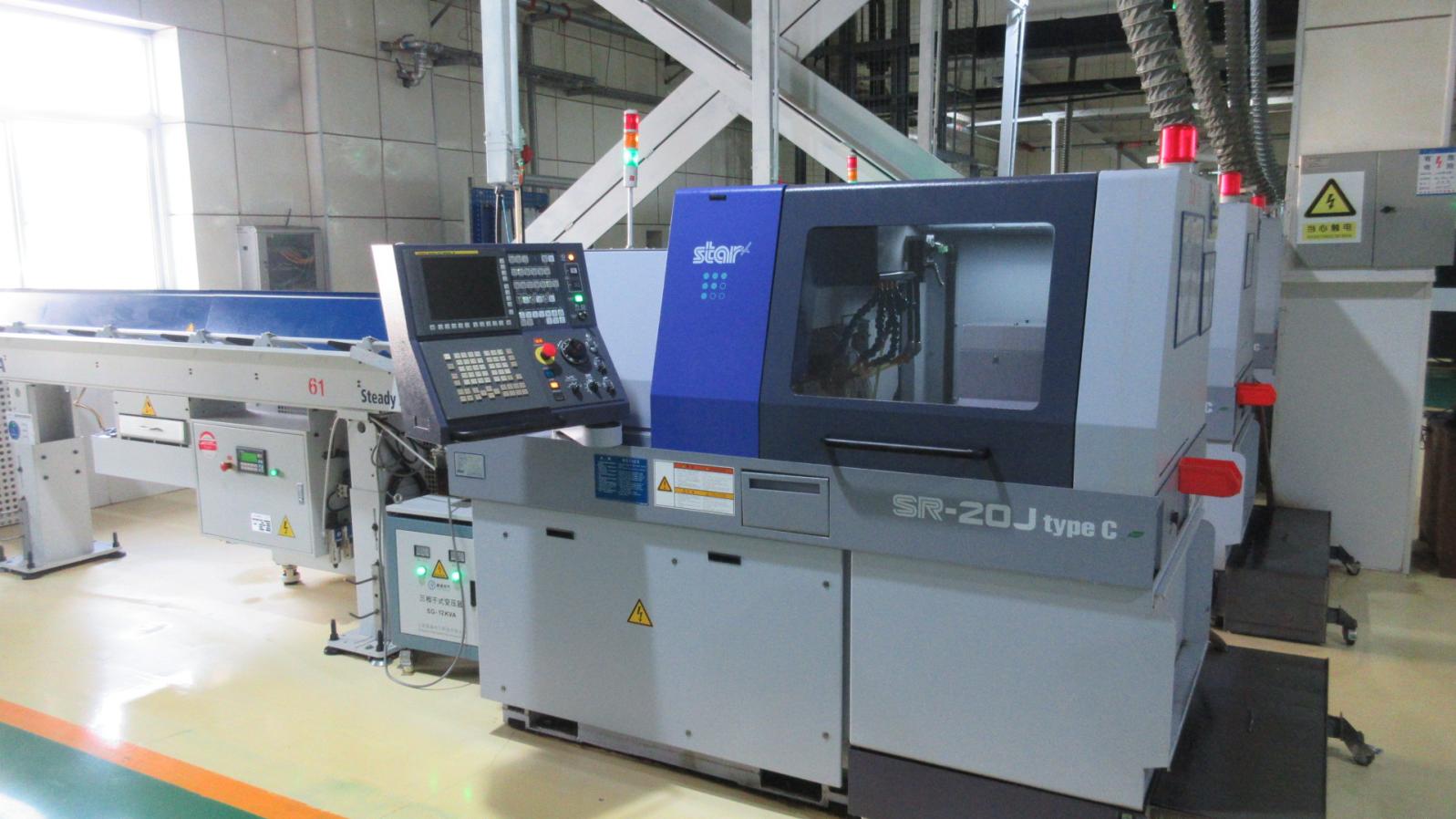
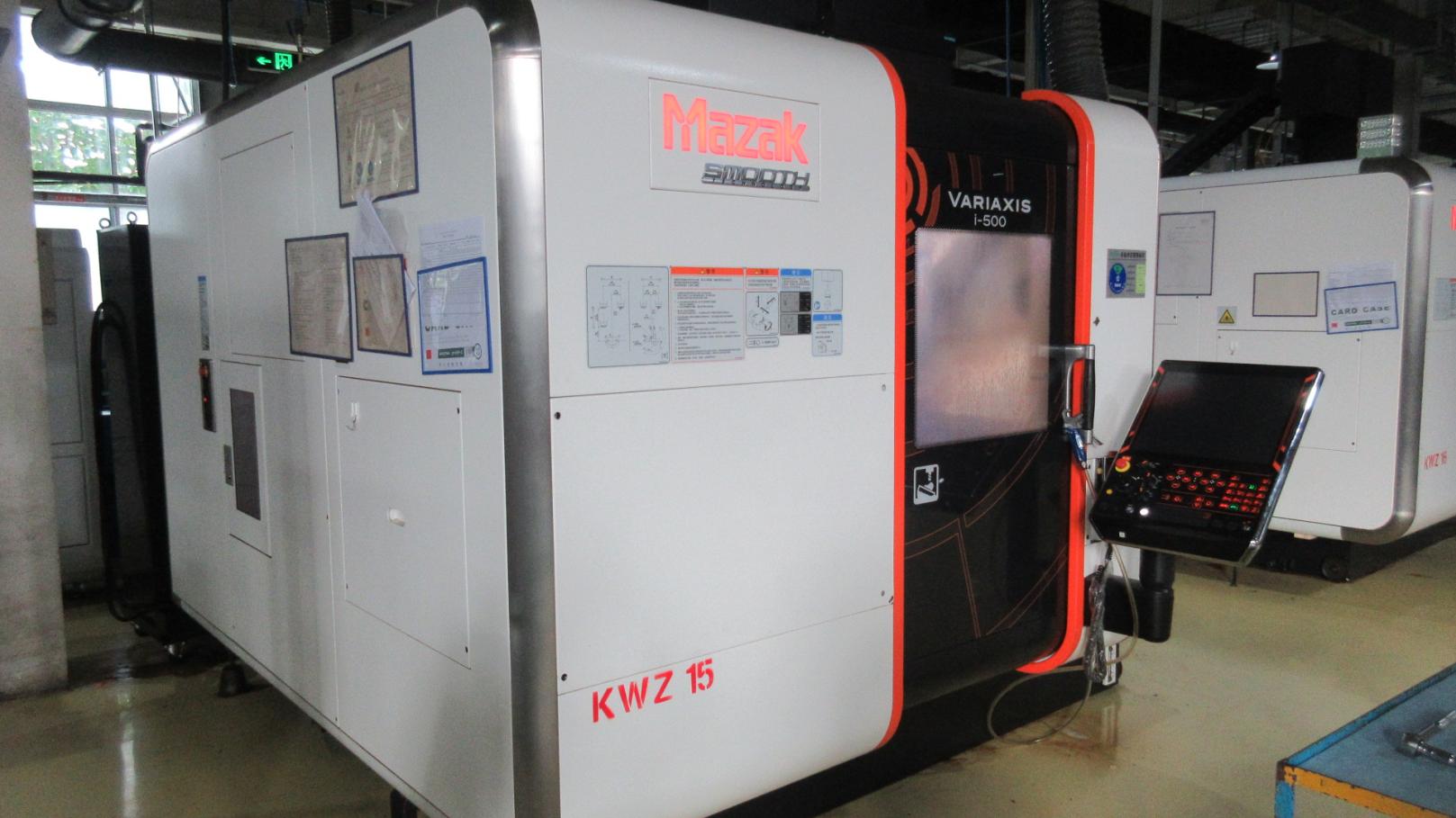
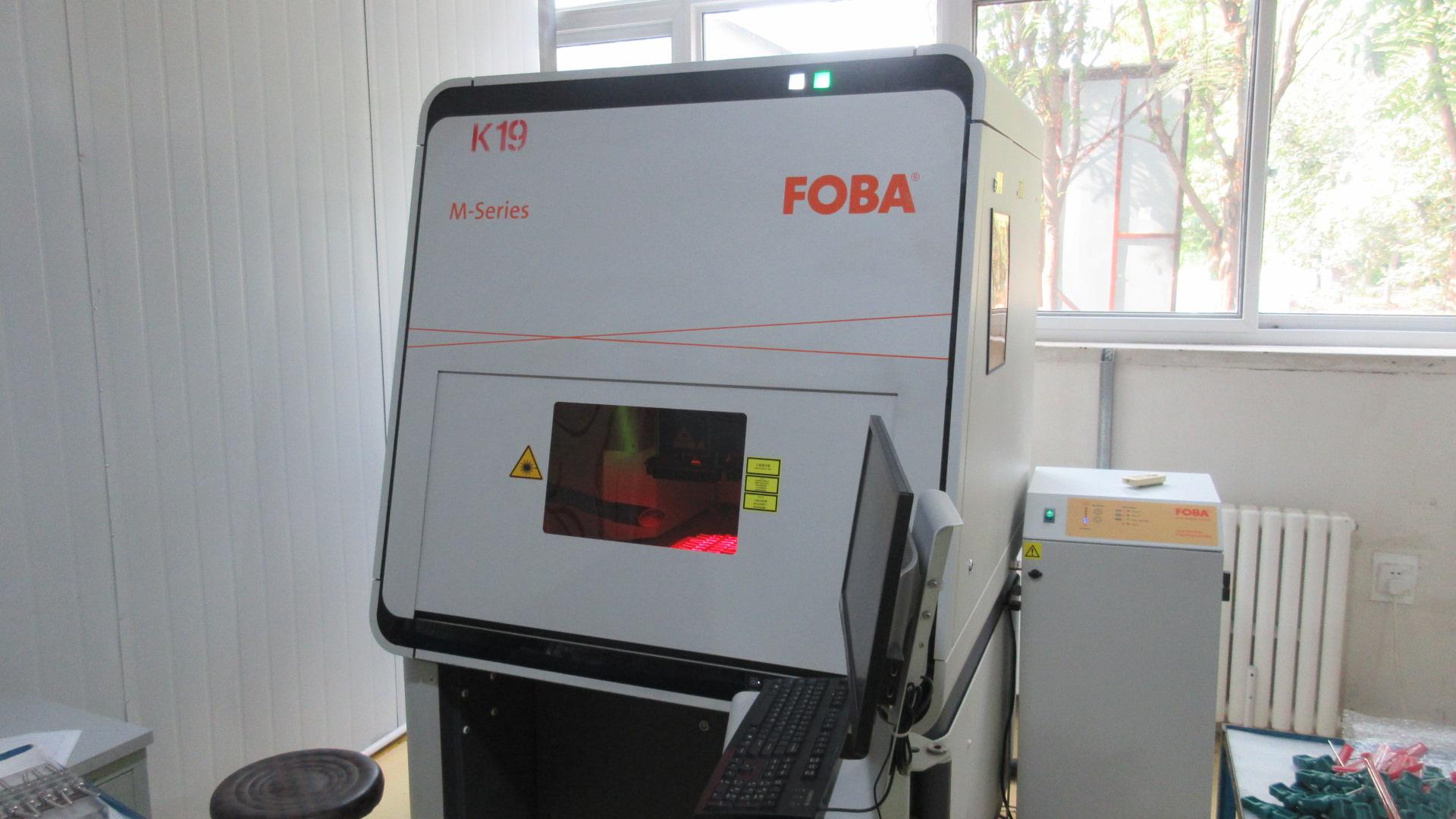
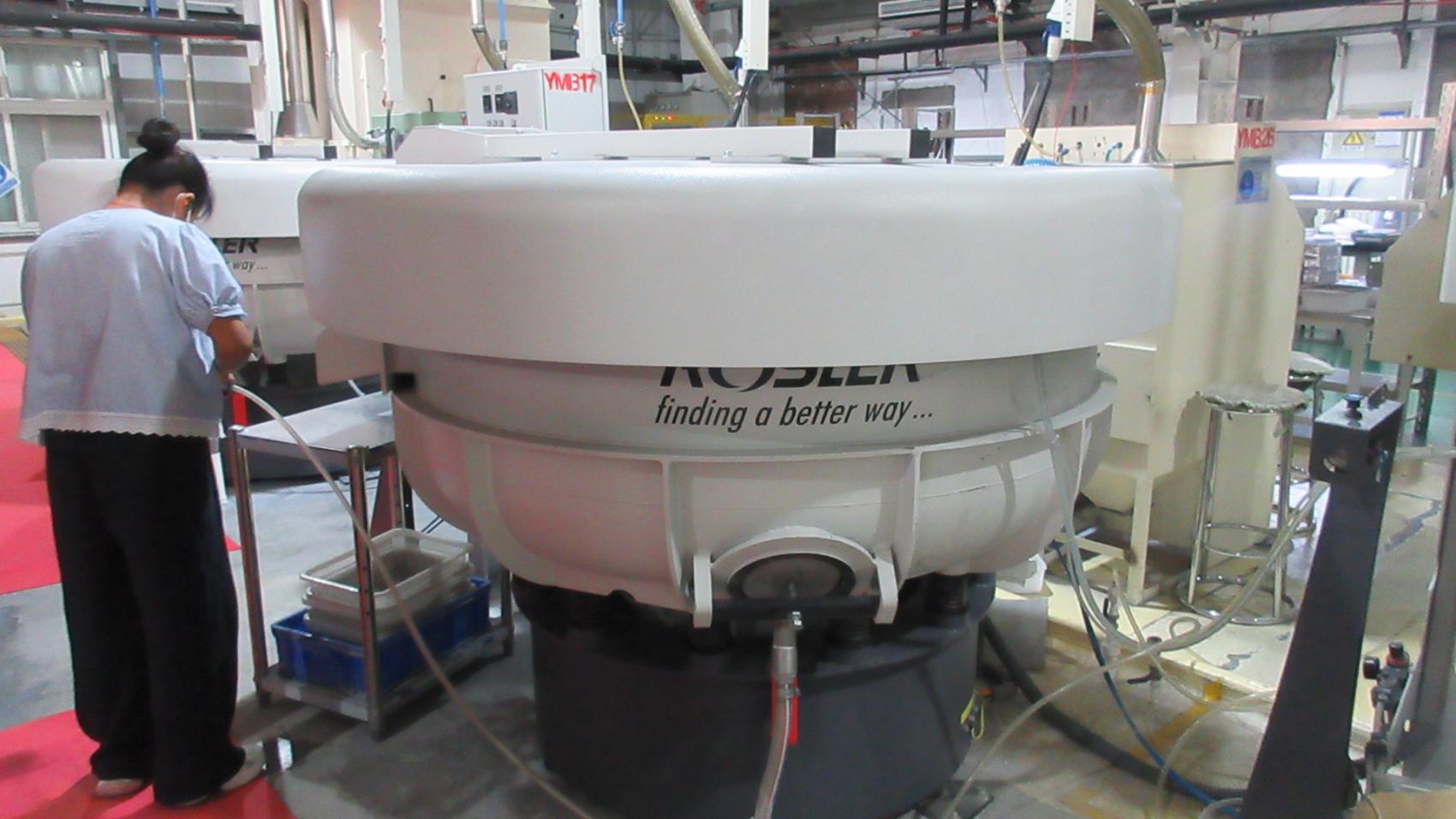
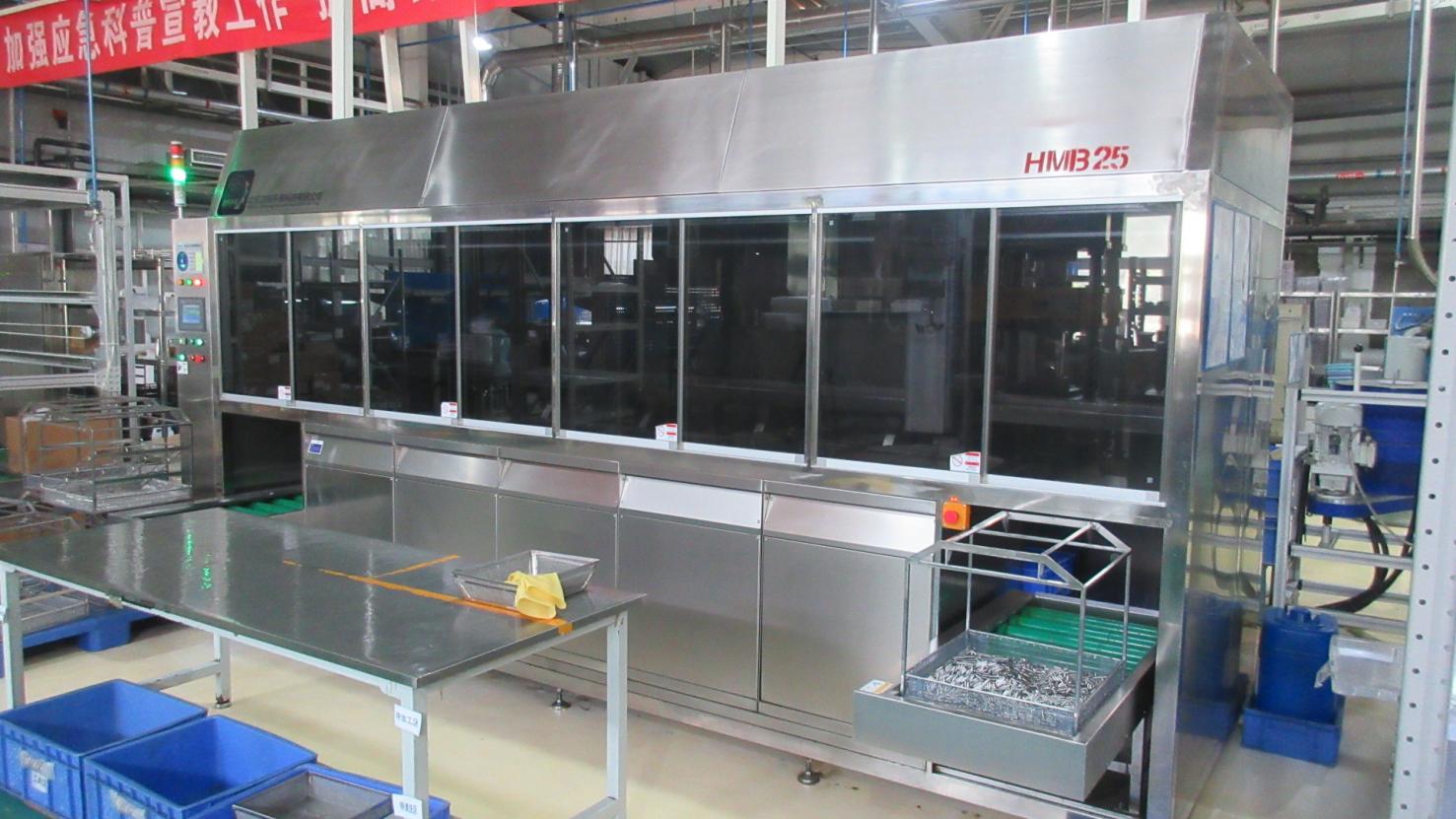
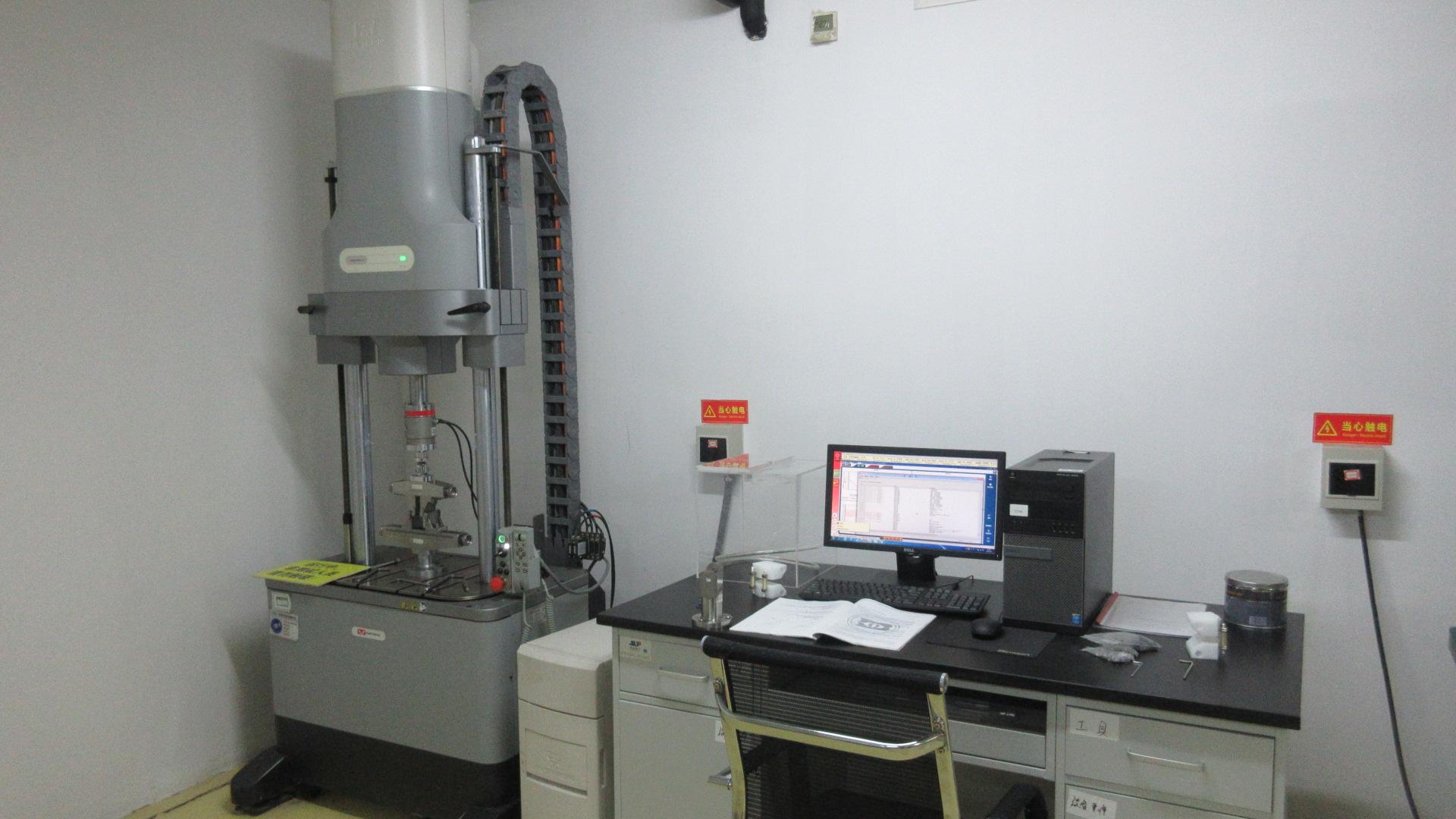
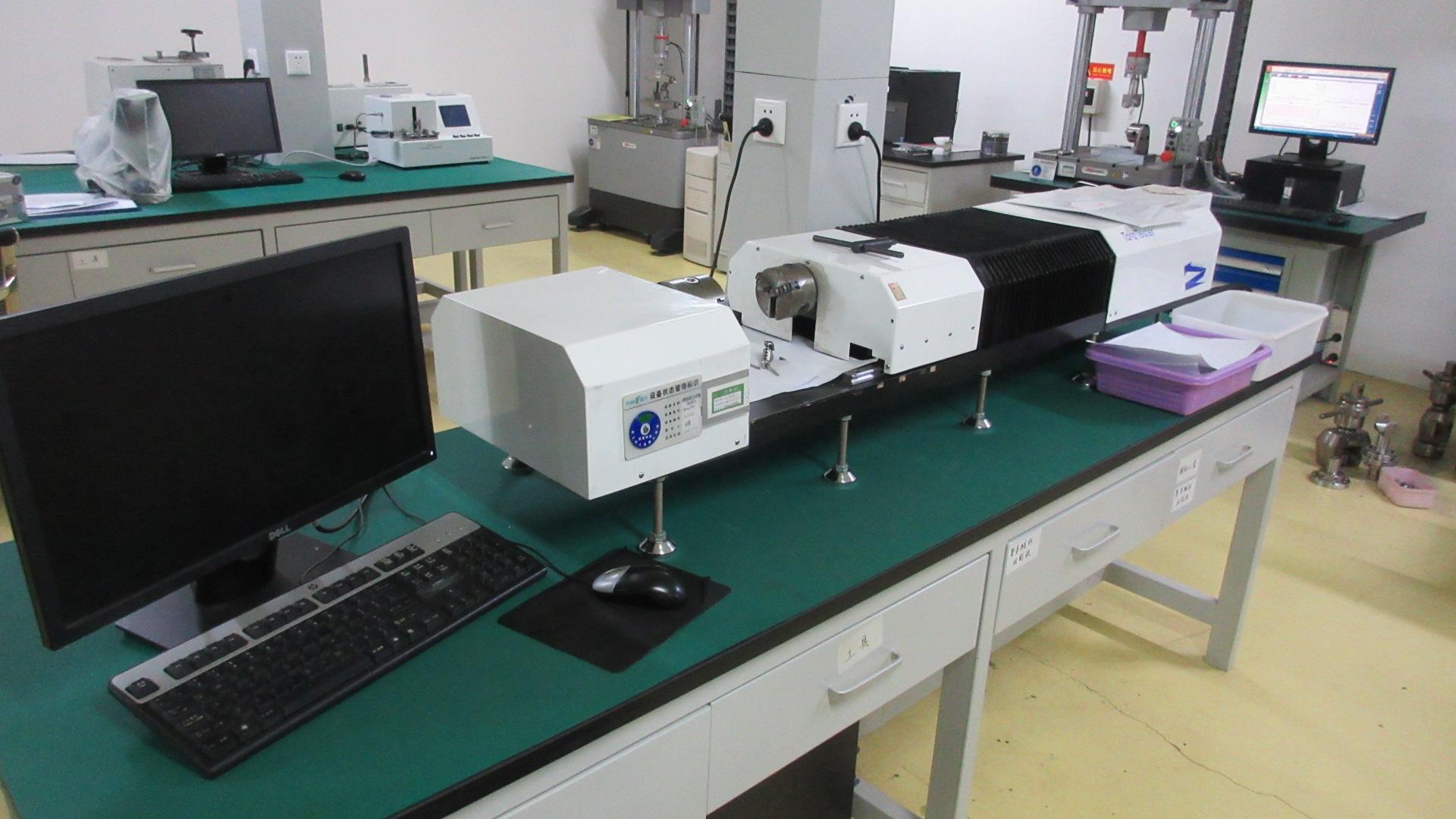
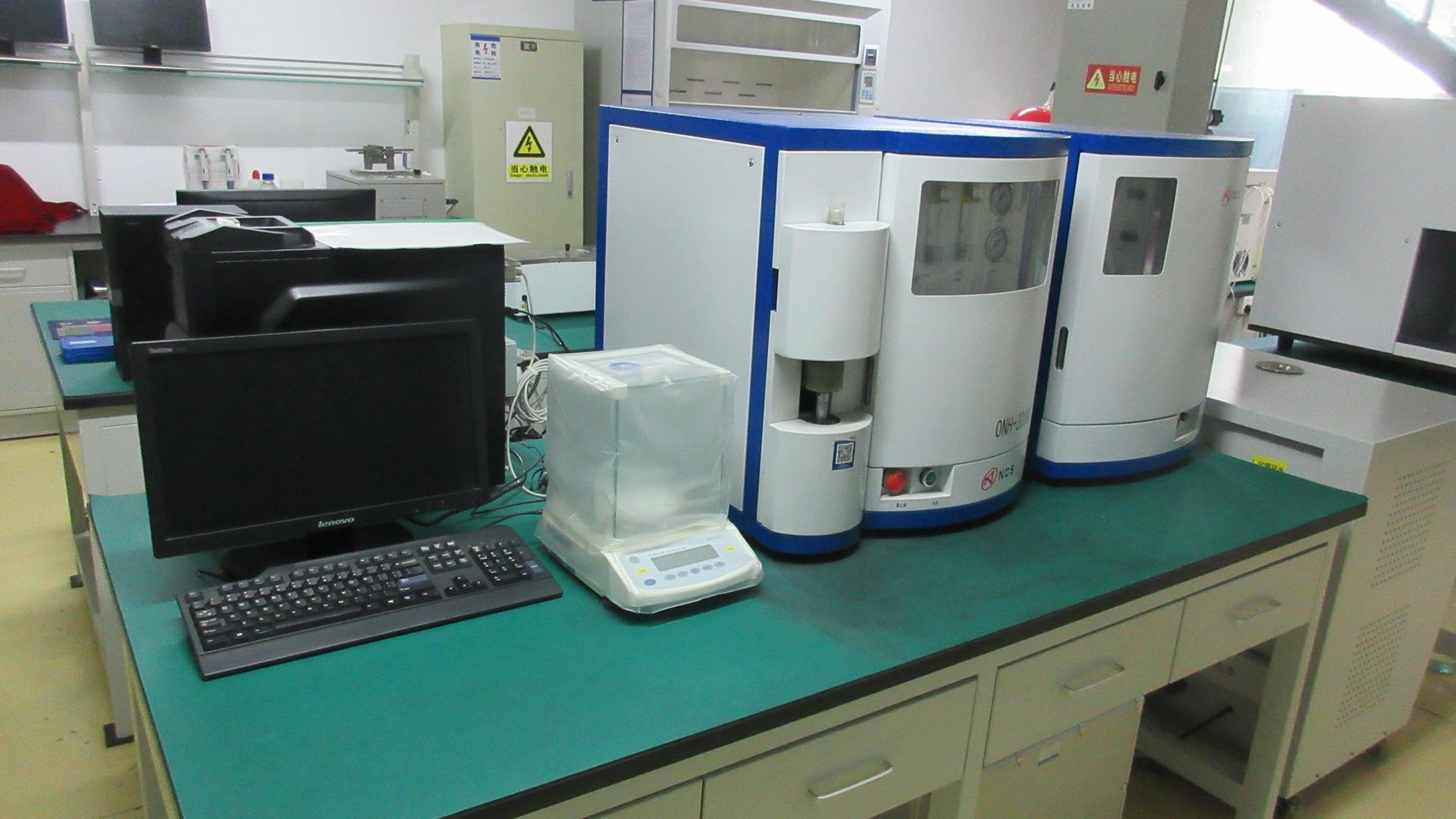
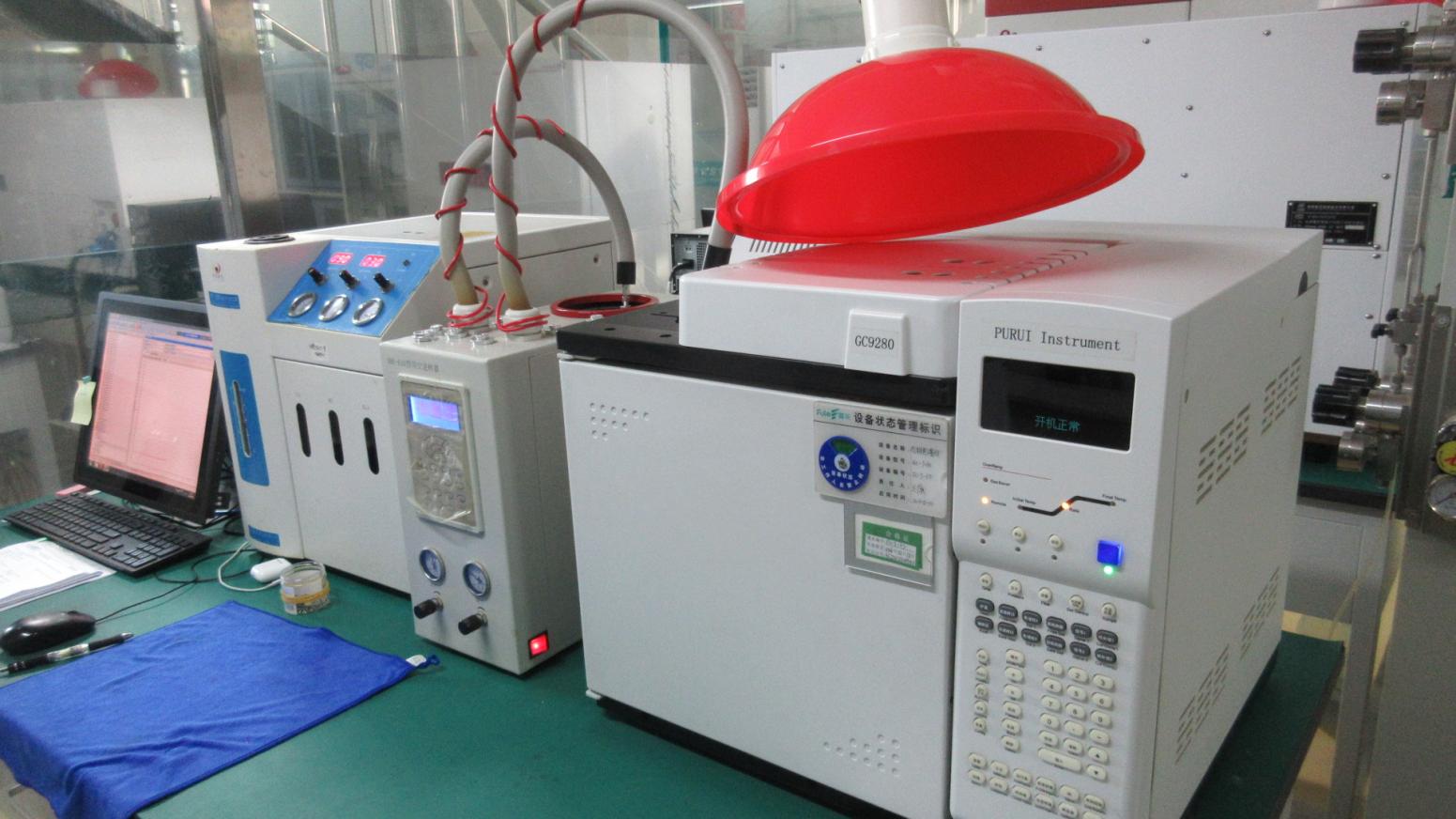
As a pioneering medical device manufacturer established in 1996, Beijing Fule Science & Technology Development Co., Ltd. represents the gold standard of Chinese medical export efficiency. Operating out of a state-of-the-art 10,000 m² cleanroom manufacturing facility equipped with over 102 precision CNC machining and automated winding units, Fule bridges the gap between affordable procurement and non-negotiable international clinical safety.
By utilizing automated production, cold-chain packaging lines, and rigorous 100% full-inspection QA protocols, Chinese medical manufacturers offer Kathmandu procurement agencies a massive structural advantage: up to 40% cost reduction compared to European brands, zero compromise on ISO 13485 bio-compatibility standards, and direct air-freight logistics straight to Tribhuvan International Airport (KTM).
Kathmandu’s high-volume maternity wards require sutures with predictable absorption that do not demand painful removal post-parturition. Chromic Catgut USP 2/0 and 3/0 attached to 3/8 circle reverse cutting needles provide optimal mucosal holding strength without inducing hyper-inflammatory reactions.
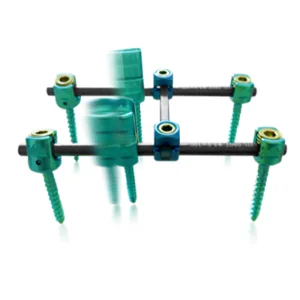
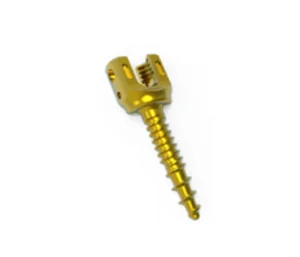
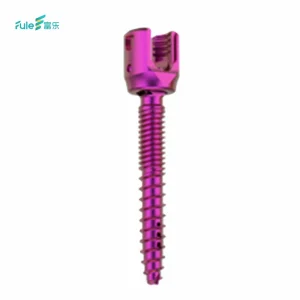
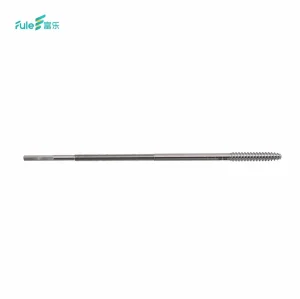
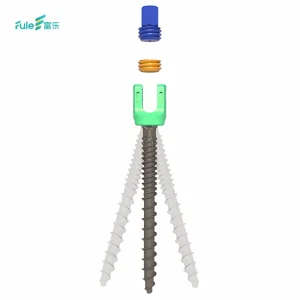
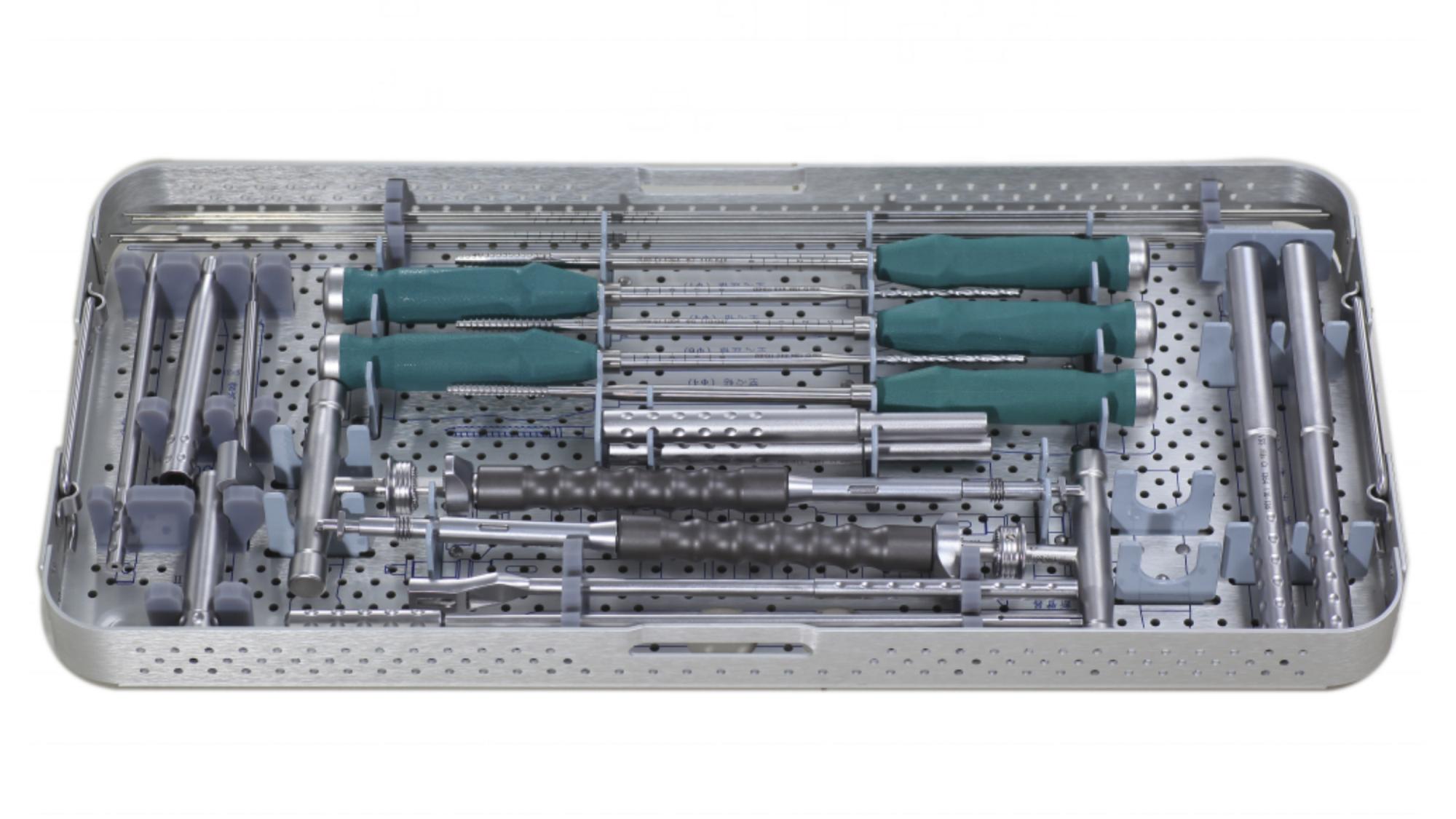
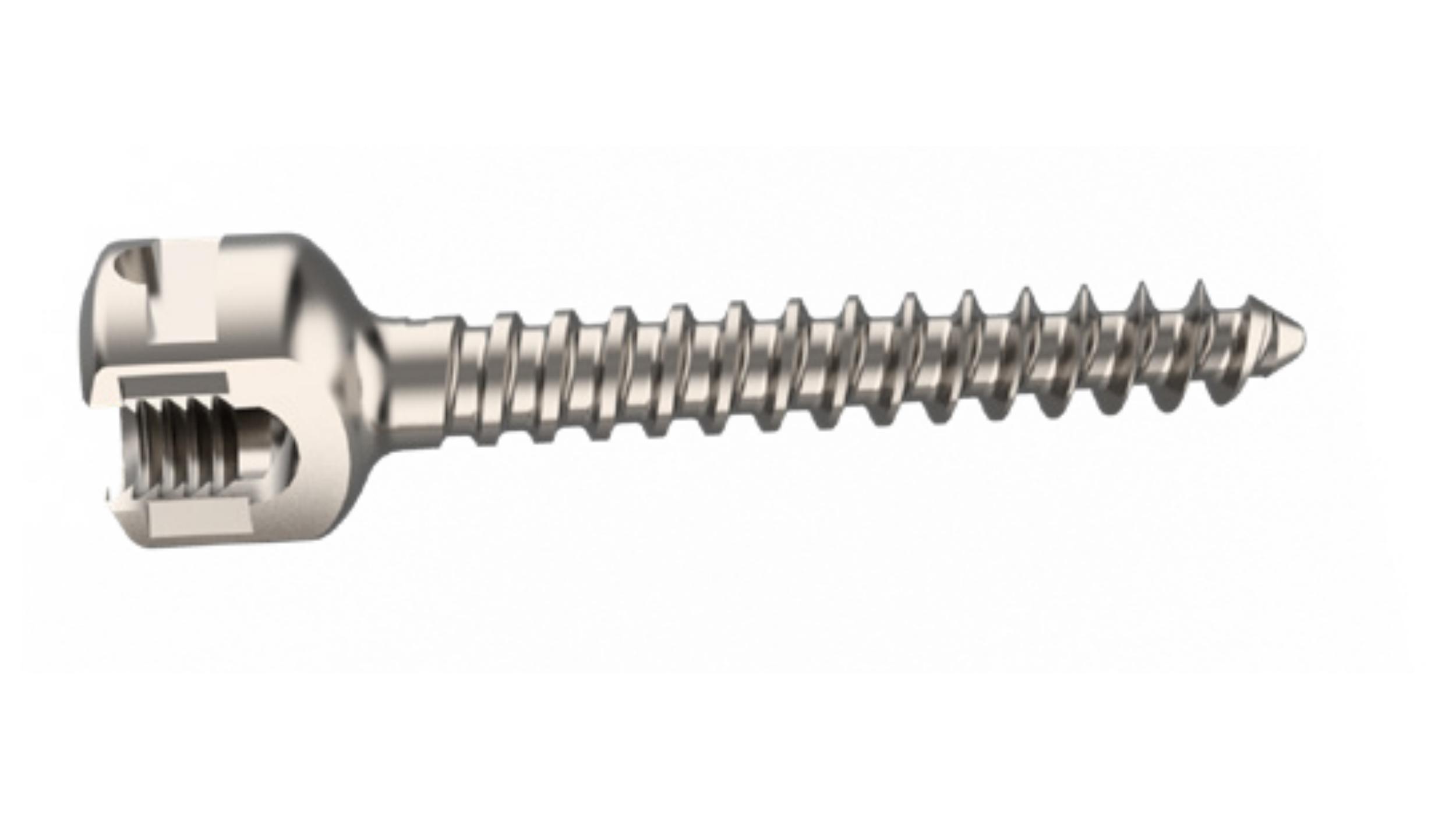
Nepal's mountainous terrain leads to high rates of spinal injuries and complex long-bone fractures. Combining bio-absorbable internal tissue ligation (Catgut) with titanium internal spinal fixation systems (such as the Fule Usmart 5.5mm System) ensures structural bone stability alongside rapid soft tissue recovery.
In rural-referral surgical procedures performed at teaching hospitals across Bagmati Province, Plain Catgut offers the supple flexibility and reliable knot seating needed for bowel anastomoses, bowel ligations, and subcutaneous tissue closure.
When importing surgical catgut and trauma implants into Nepal, hospital procurement managers and medical supply importers must enforce strict compliance verification to satisfy the Department of Drug Administration (DDA) Nepal guidelines and international clinical safety standards.
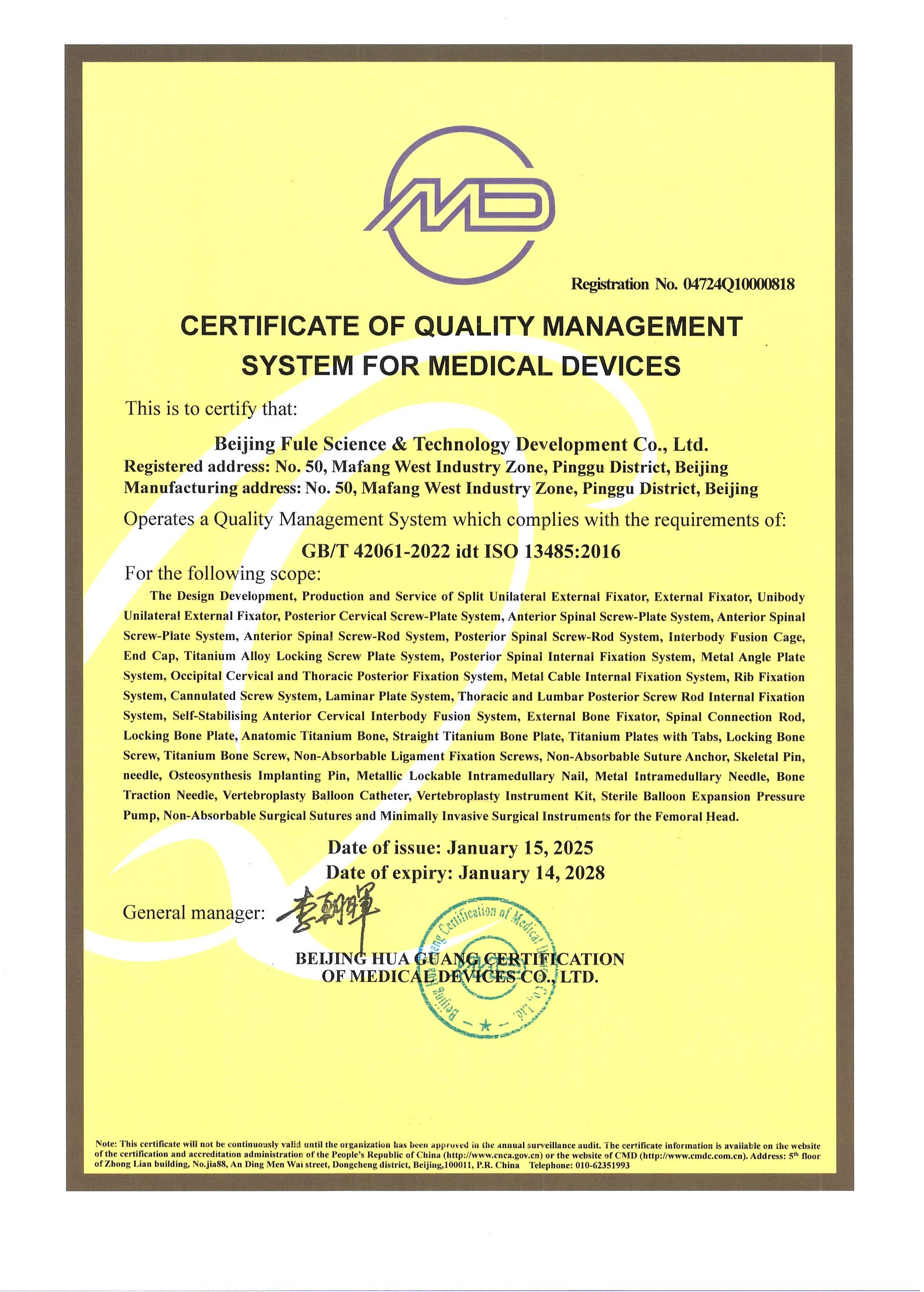
Ensure suppliers supply ISO 13485 certification, CE Declaration of Conformity, and batch-specific sterilization certificates (Gamma irradiation dosage curves or EO gas concentration metrics).
Catgut packaging must utilize double-layer hermetically sealed aluminum foil satchels filled with preservative solution to prevent collagen desiccation and brittle cracking during transport to Kathmandu.
Verify needle-to-suture attachment pull-out force (ASTM F2064 compliance) to guarantee surgical needles do not detach inside deep tissue structures during procedures.
Chromic Catgut offers exceptional handling, high initial knot security, and excellent pliability when hydrated. Surgeons in Kathmandu often prefer Chromic Catgut for OB/GYN and episiotomy procedures because it degrades naturally via internal enzymatic absorption without leaving persistent synthetic micro-polymers, reducing localized foreign-body reactions in highly vascular mucosal tissues.
Our catgut sutures are packaged in fluid-tight double foil pouches containing a conditioning solution of isopropyl alcohol and water. This prevents drying, stiffening, or collagen fraying. Shipments are packed in reinforced, climate-controlled export cartons compliant with international air freight standards for rapid transit into Tribhuvan International Airport (KTM).
Yes. Beijing Fule Science & Technology provides complete OEM/ODM customization. We support USP suture sizes from 6/0 up to USP 3, pre-attached to premium 300/400 series stainless steel needles (reverse cutting, round body, tapercut, or spatulated) across lengths ranging from 45cm to 150cm.
Our manufacturing hub holds ISO 13485 Quality Management System certification and CE marking (Class III medical devices). Every batch undergoes mandatory sterility testing, pyrogen assays, tensile strength pull tests, and raw material collagen origin verification.
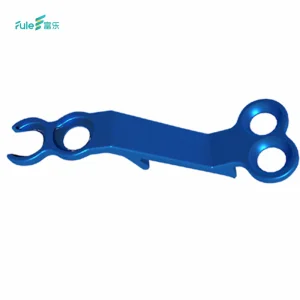
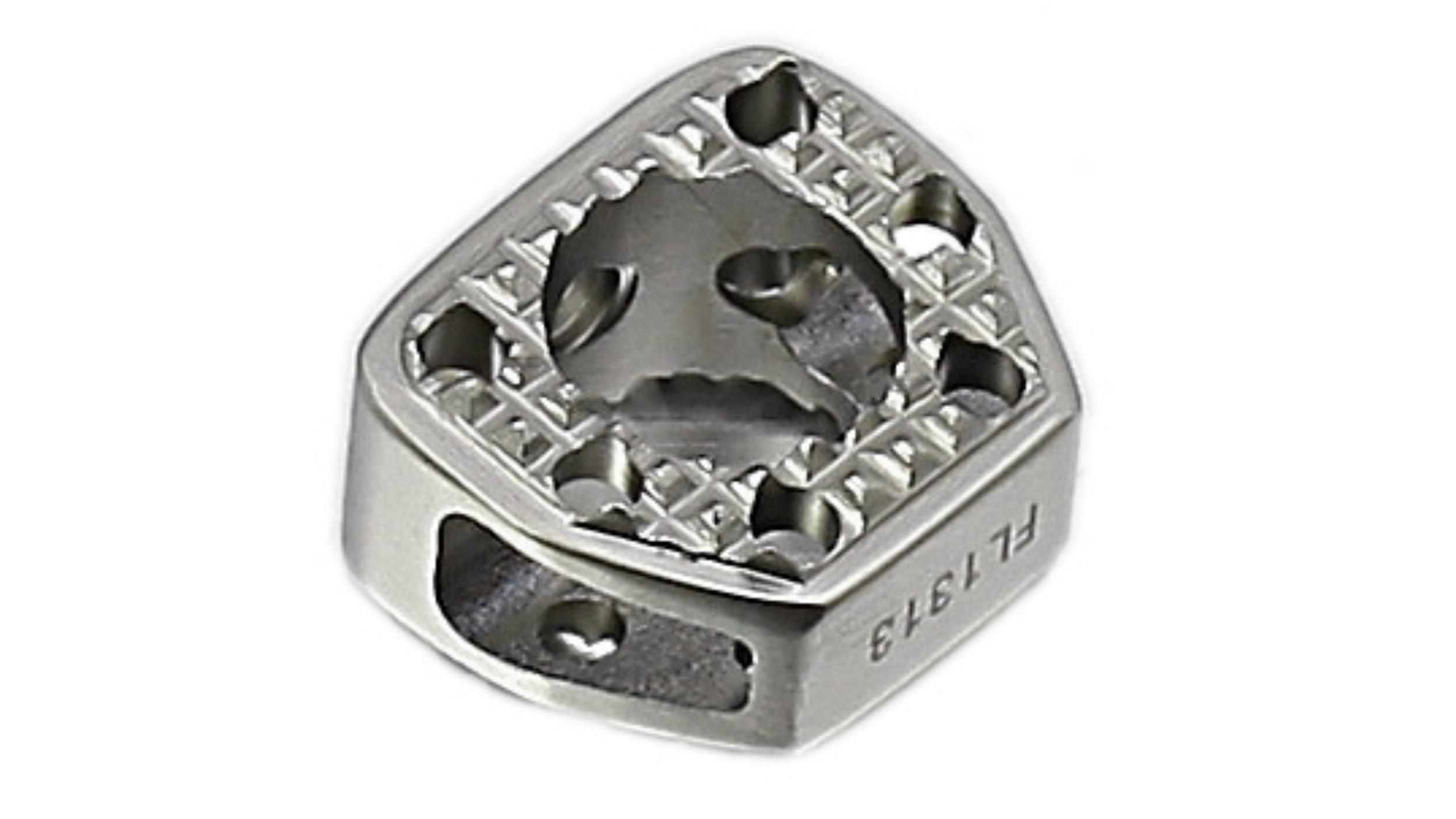
By sourcing comprehensive surgical supplies—including titanium spinal pedicle screws, anatomic trauma plates, and bio-absorbable catgut sutures—from a consolidated OEM provider, medical distributors in Kathmandu significantly reduce shipping overhead, streamline import customs processing, and maintain uniform quality standards across surgical departments.
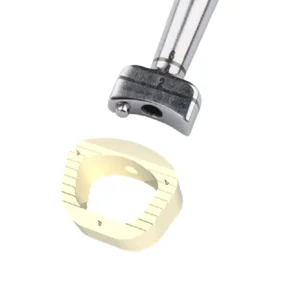
Browse our extensive range of high-precision interventional materials, spinal hardware, and specialized trauma plates engineered for peak clinical performance.
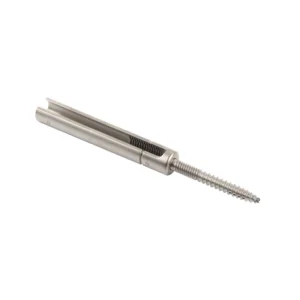
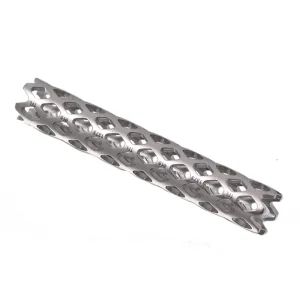
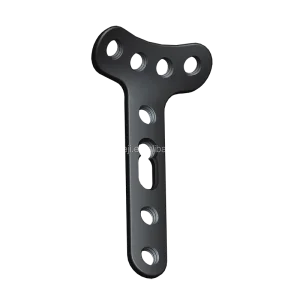
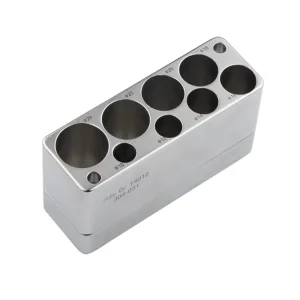
All products support 100% full raw material traceability. Rigorous quality control is conducted across all active manufacturing lines, encompassing 100% product inspection prior to medical-grade packaging and sterilization release.


Empower your surgical supply chain in Kathmandu with ISO 13485 certified catgut sutures and titanium implants. Fast lead times, OEM customization, and direct factory pricing.
Send Inquiry Now Fule
Fule