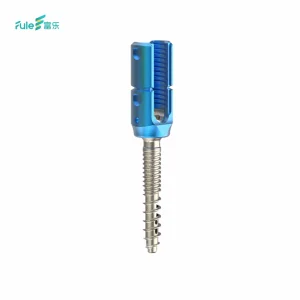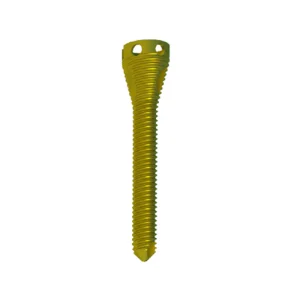
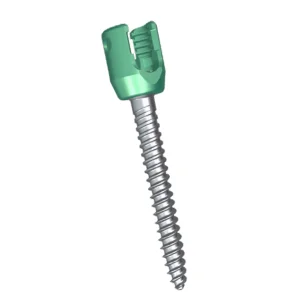
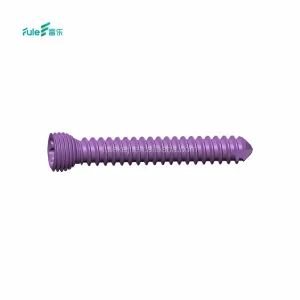
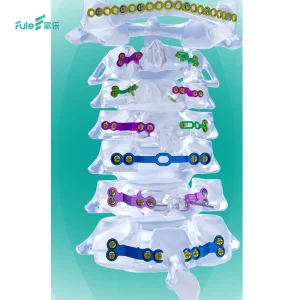
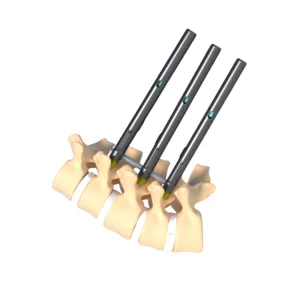
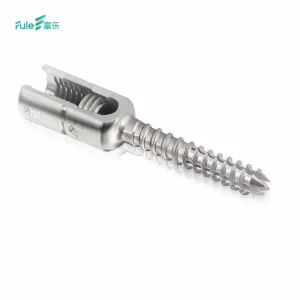
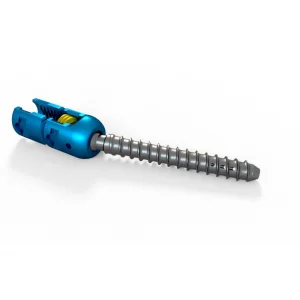
CE Certified Orthopedic Power Tools Exporter & Implants Manufacturer

Pioneering Clinical-Grade Skeletal Fixation Solutions, Spinal Instrumentation, and Biomechanical Systems for Global Surgical Sourcing

1. Evolution of Modern Orthopedic Instrumentation

The global theater of orthopedic surgery is undergoing a tectonic shift driven by micro-precision design and advanced biomaterials. Historically, the reliability of trauma fixation depended primarily on basic mechanical retention. Today, intelligent load-sharing osteosynthesis and ultra-high-torque orthopedic power systems dictate clinical outcomes.

Surgical demands require power drills, oscillating saws, and reamers to execute osteotomies with minimal thermal necrosis. This necessitates highly efficient motor drives, calibrated speed thresholds, and ergonomic balance to safeguard bone viability. Simultaneously, the biological interface demands implants designed to match human bone elasticity closely to prevent stress shielding.

By consolidating advanced drive technology with high-grade titanium (such as Ti-6Al-4V ELI) and implantable-grade PEEK, medical manufacturers ensure that bone cutting, drilling, and rigid internal fixation operate in perfect technological harmony.

2. High-Precision Manufacturing Capacities

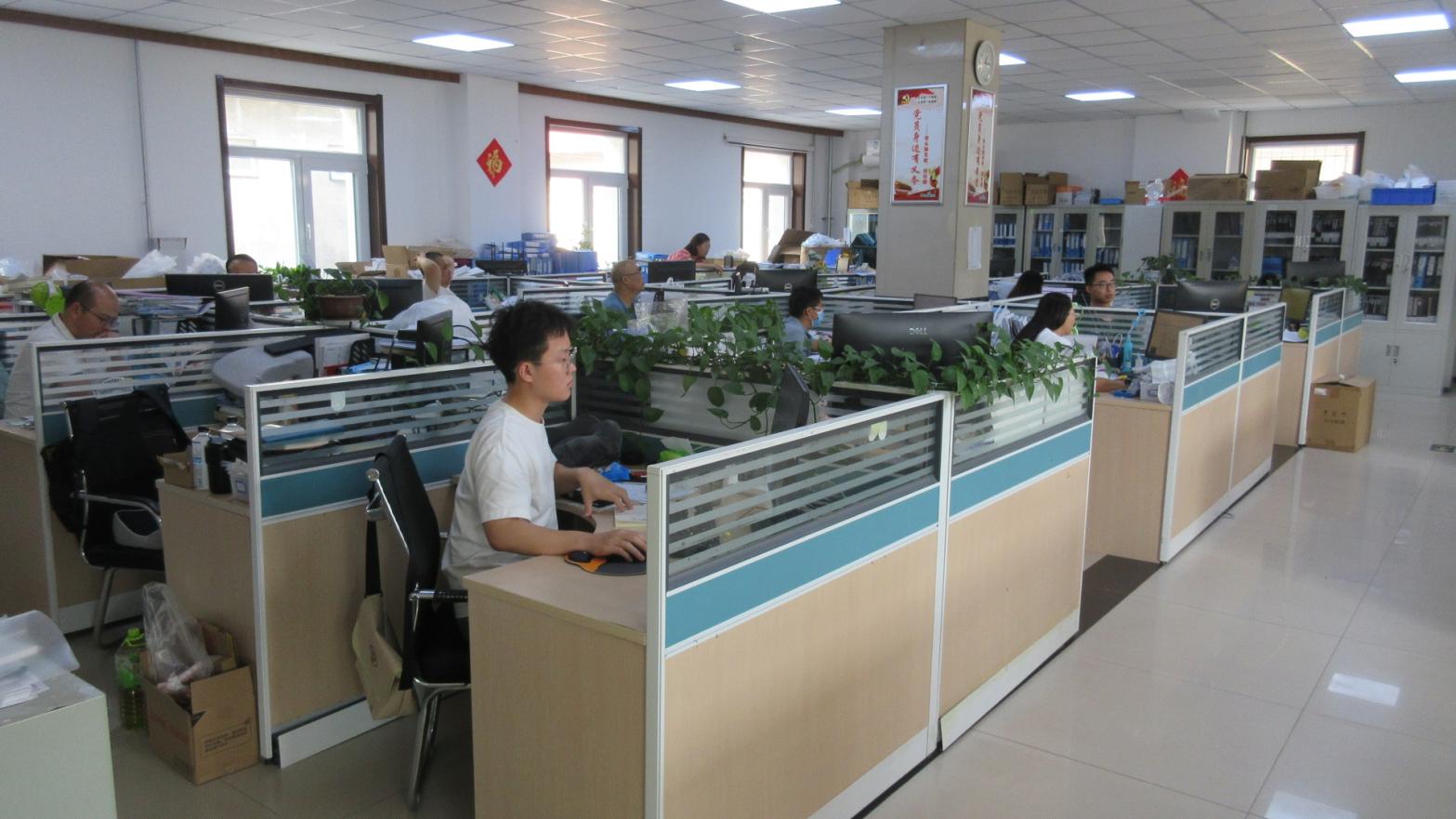
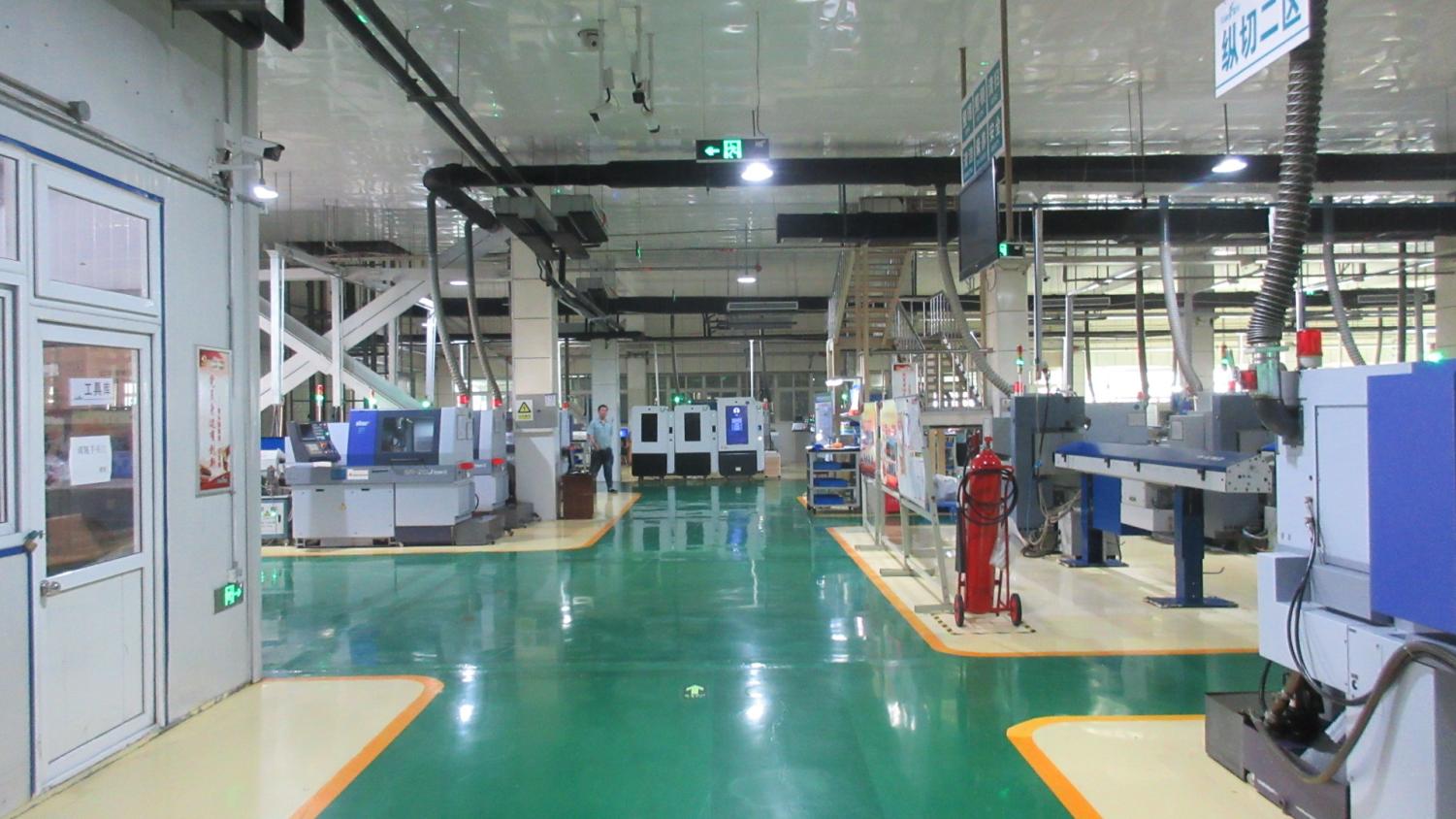
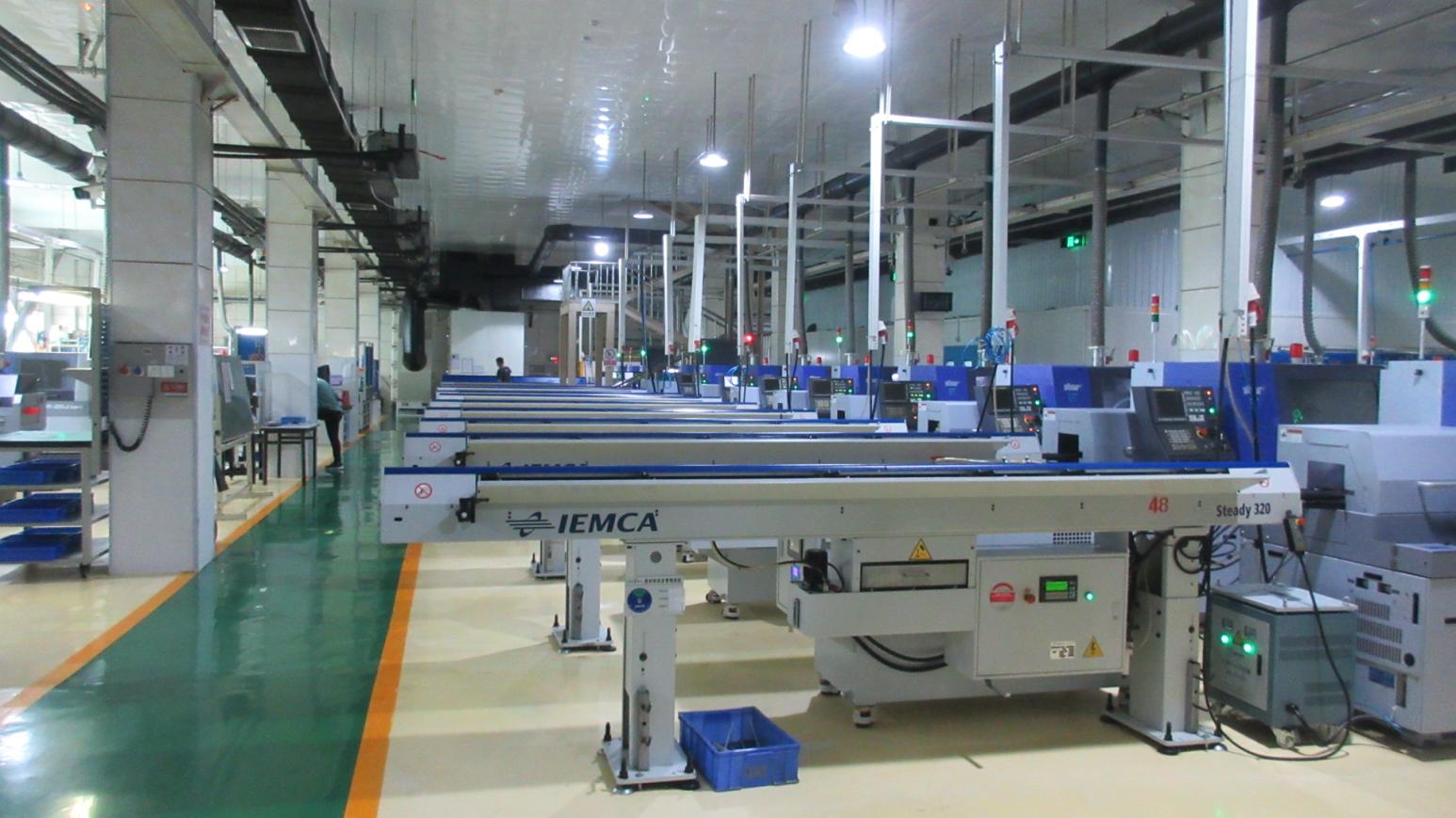
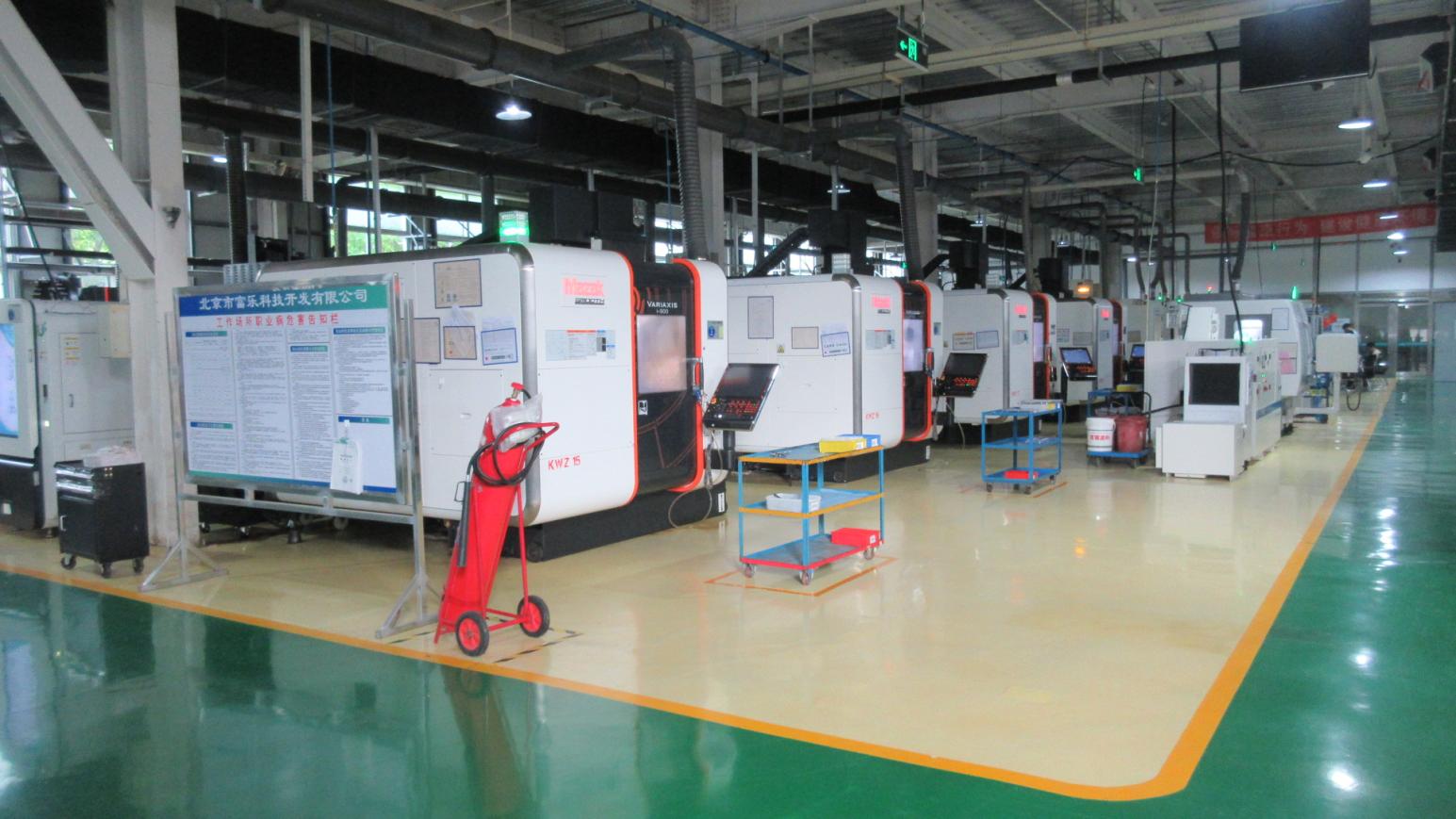
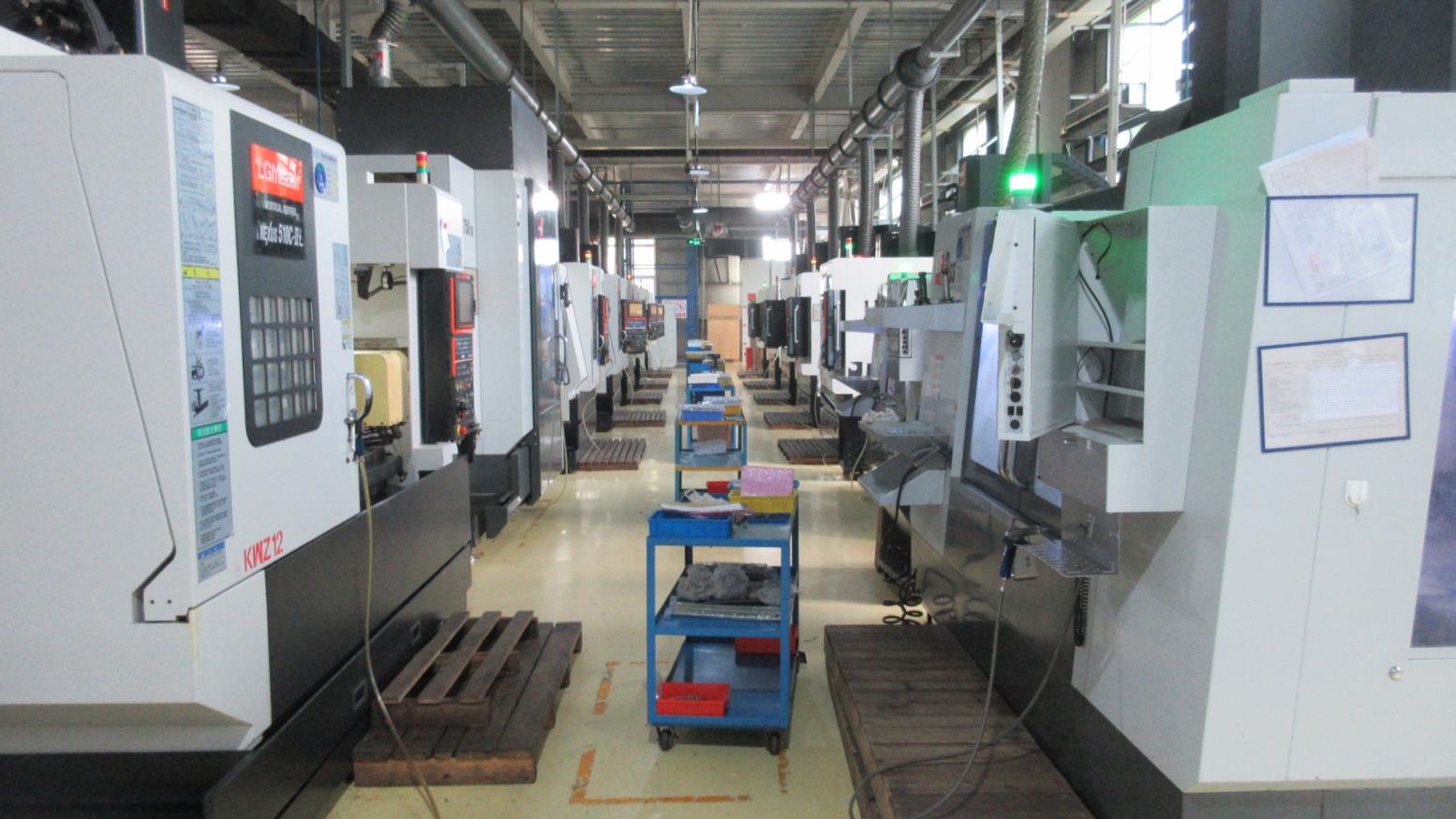
Beijing Fule Science & Technology Development Co., Ltd. represents the absolute pinnacle of high-capacity, precision-engineered medical production. Operating from a state-of-the-art facility, the company leverages cutting-edge CNC platforms to guarantee micro-level tolerances across all product lines.

Cleanroom Protocol & Sterility
All final manufacturing, washing, and pre-packaging occur within certified positive-pressure environments, meeting strict international particulate limits.
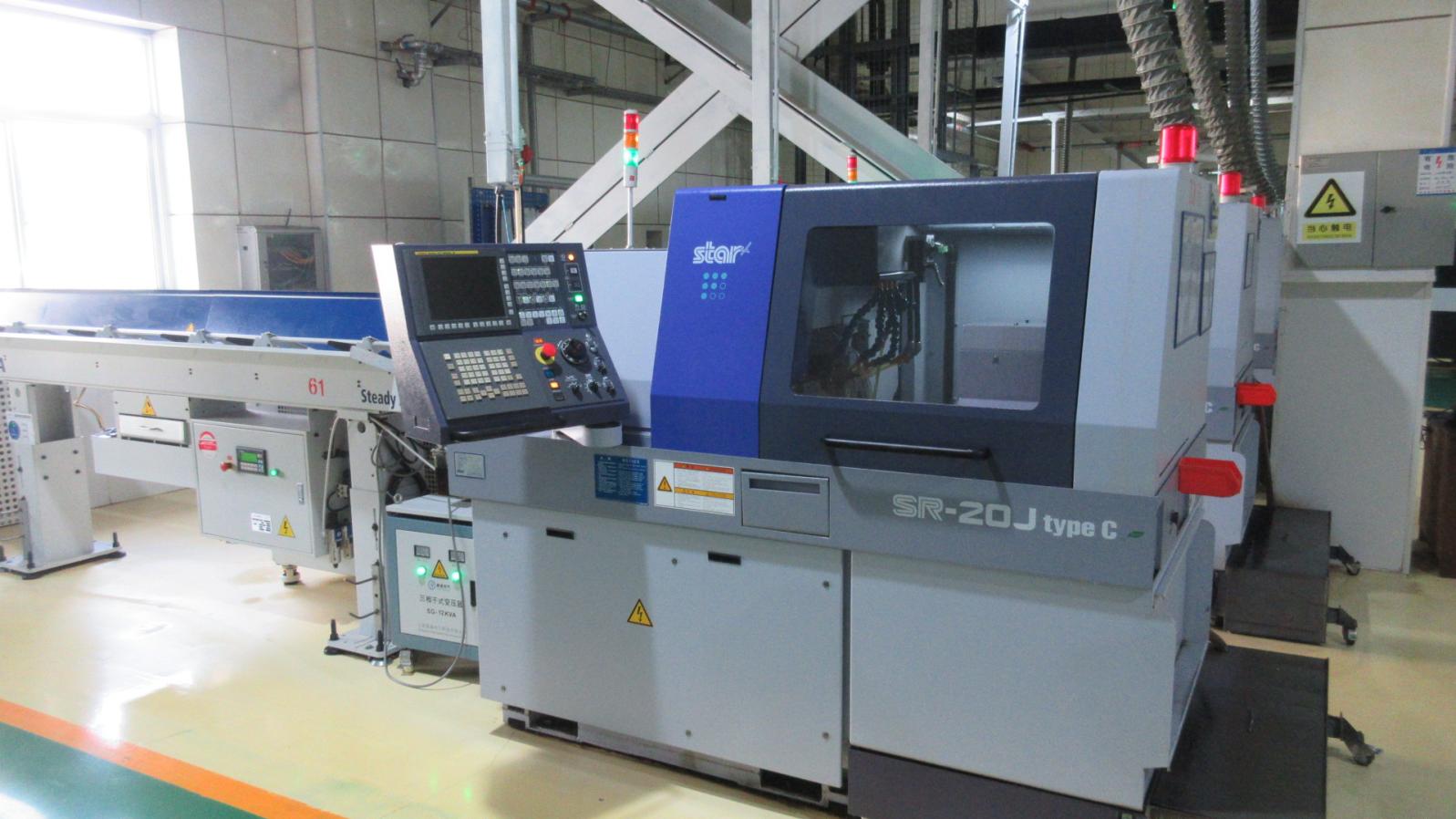
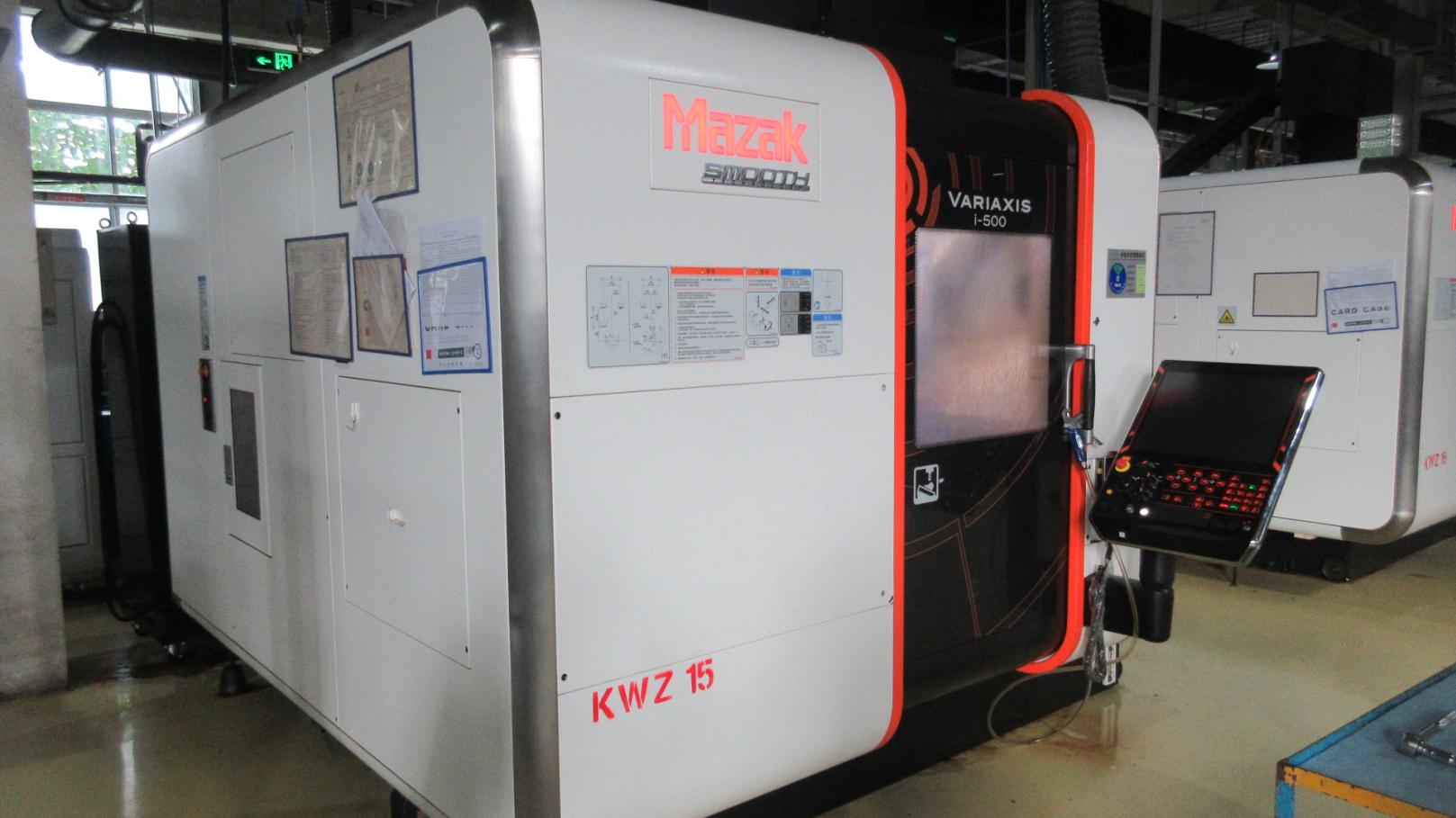
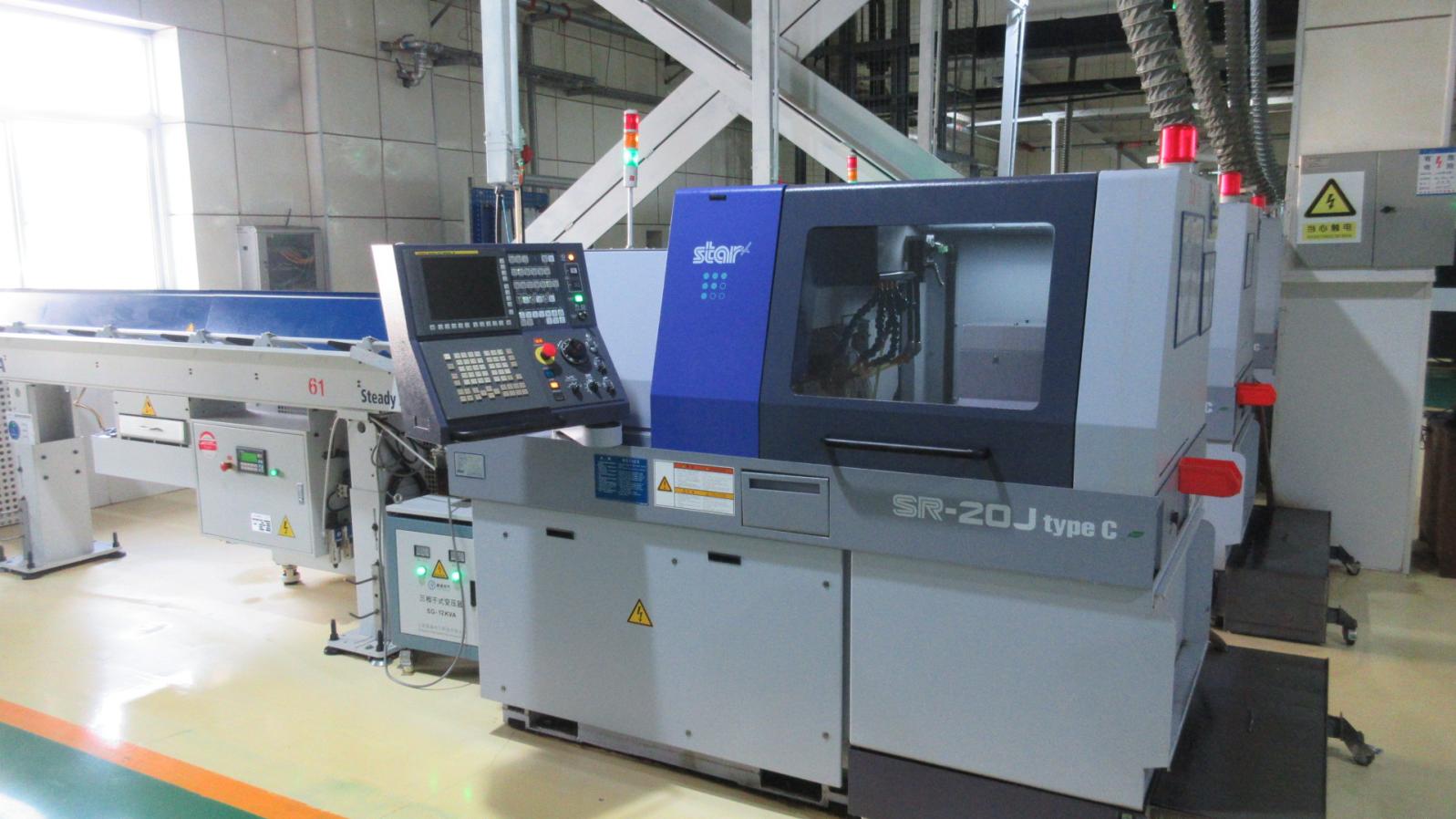
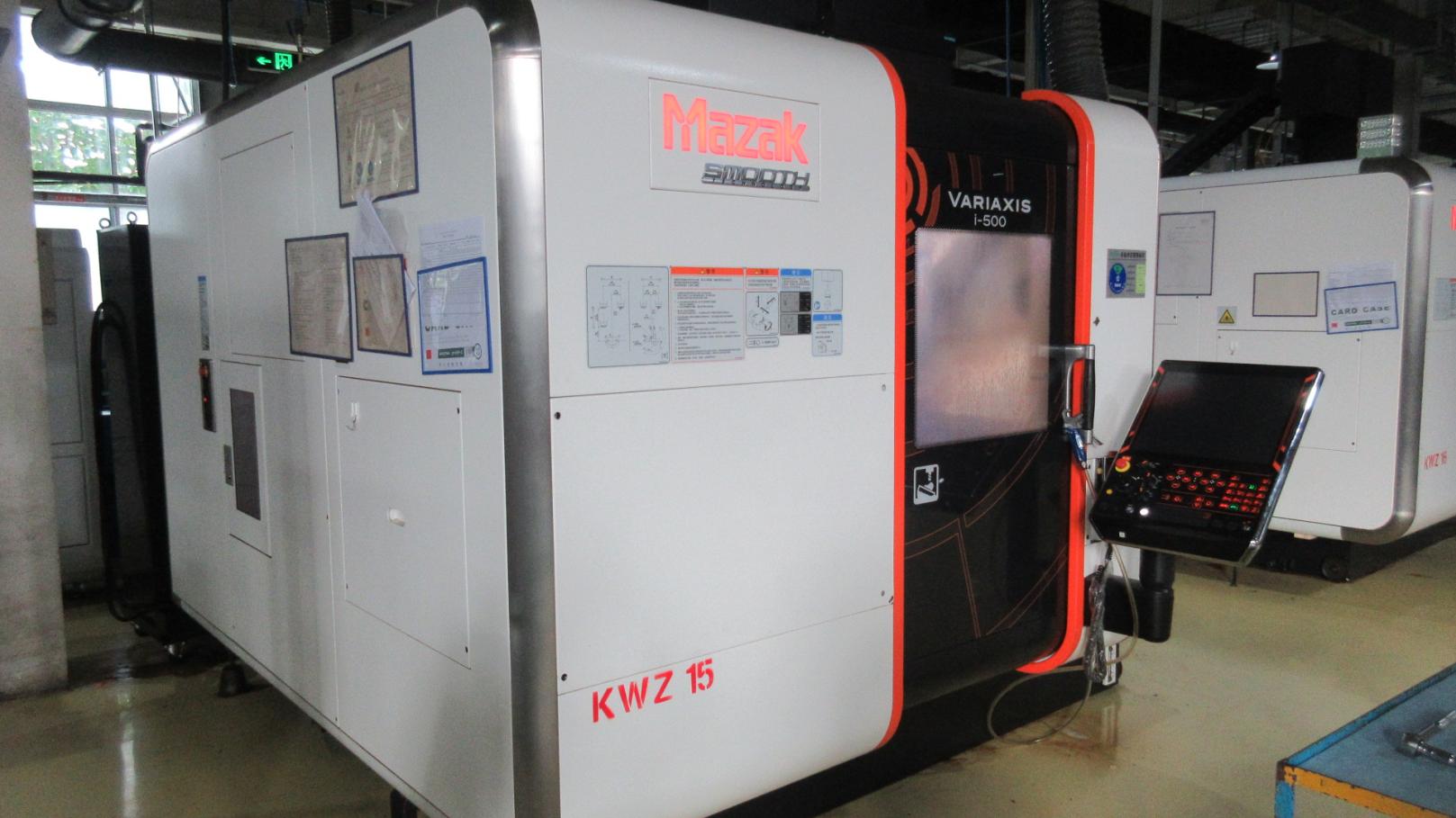
Advanced Multi-Axis CNC Machining
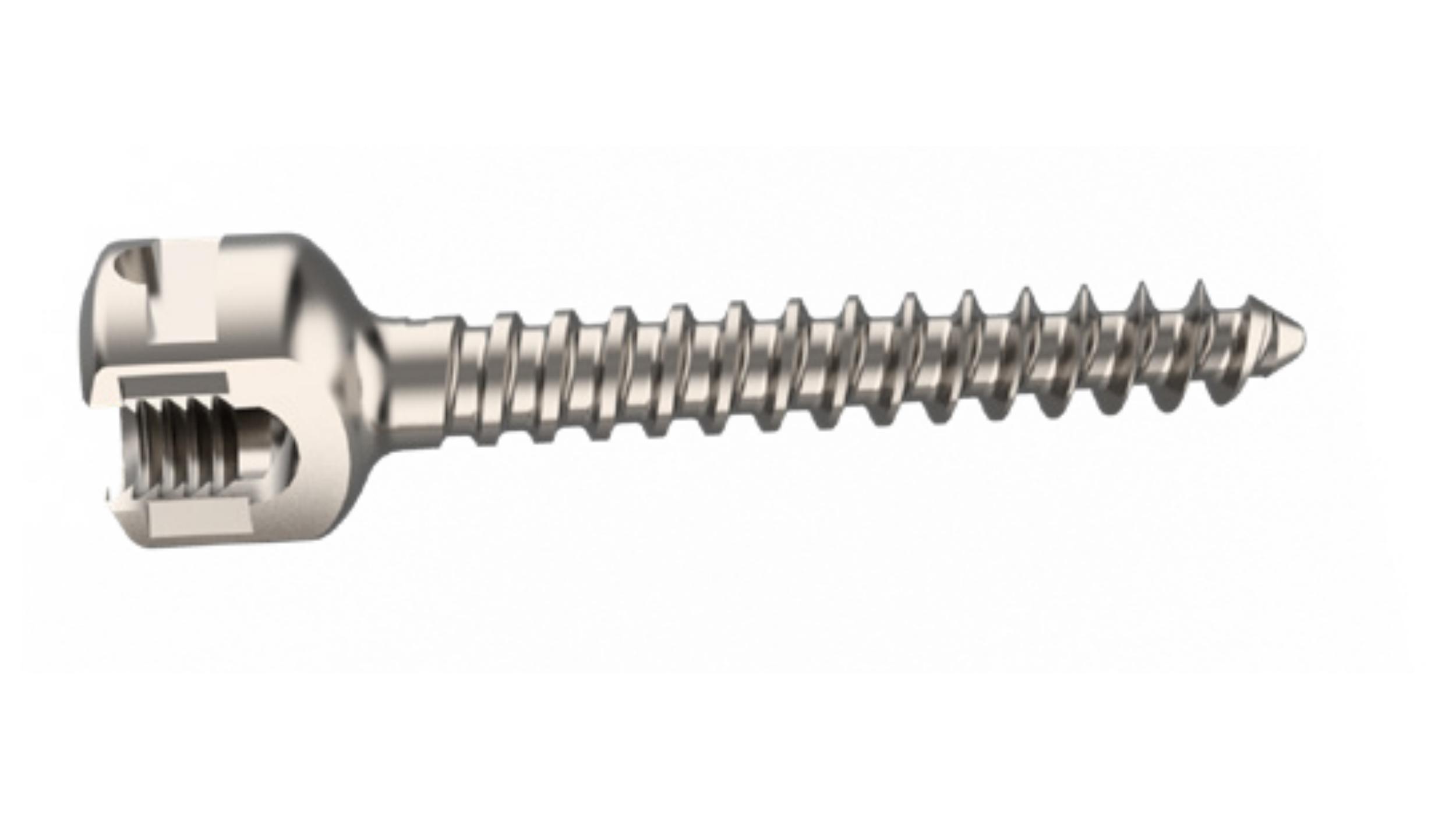
With 102 state-of-the-art production machines, we machine complex anatomical geometries, self-tapping screw threads, and low-profile plate structures out of solid bars.

Factory Verification & Operational Metrics

A transparent look into our operational metrics, raw material traceability, and industrial capacity. Verified processes ensure premium orthopedic supplies reach global distributors with total reliability.

29+
Years Sourcing Experience
10,000㎡
Total Manufacturing Floor Space
508,000
Annual Unit Output
102
Advanced Production Machines
Operational Parameter Verified Metric Details / Values Regulatory Relevance & Compliance Notes
Establishment Date 1996-06-28 (29 Years Industrial Foundation) Establishes deep historical expertise in Class III device manufacturing.
Quality Certifications ISO13485 (Registration No: 04724Q10000818) / CE Mark Certified pathways for European and international distribution channels.
QA / QC Personnel 15 Dedicated Quality Assurance Inspectors Oversees full product inspection and documentation archiving.
Traceability Framework 100% Traceability of Raw Materials from Melt to Implant In compliance with EU MDR Annex IX requirements for high-risk implants.
R&D Team Depth 20 Engineers (15 Graduates / 5 Junior College) Directs continuous product iterations and custom implant design.
Market Distribution Domestic (40%), Eastern Europe (15%), Southeast Asia (10%), Rest of World (35%) Demonstrates a globally balanced supply chain portfolio.

3. Global Sourcing Intent & Clinical Pain Points

When hospital procurement directors and B2B distributors evaluate orthopedic hardware and power tool options, their search intent extends far beyond simple product lists. The modern healthcare supply chain demands regulatory security, biological reliability, and seamless instrument compatibility.

Key concerns for international procurement divisions include:

  • Biocompatibility and Material Validation: Sourcing components that minimize tissue reactions, avoid screw stripping, and resist galvanic corrosion.
  • Standardized Surgical Workflows: Selecting instruments that seamlessly fit existing surgical arrays, reducing OR time and training overhead.
  • Sterilization Resilience: Verifying that power tool bodies and implants can withstand autoclave processes repeatedly without structural degradation.

4. Comprehensive Mechanical Sourcing Solutions

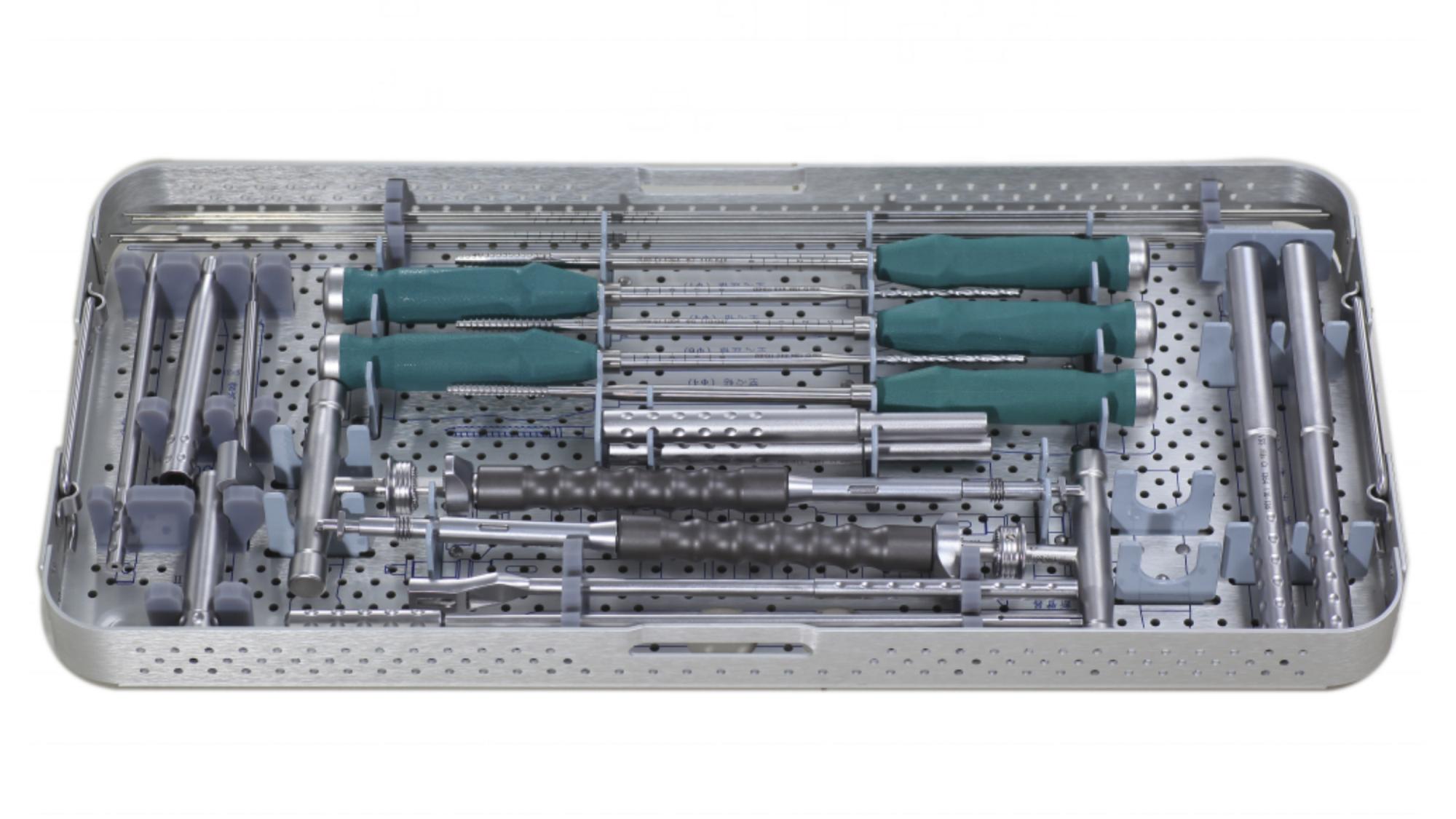
Fule provides an integrated approach, linking Class I dynamic surgical instruments with Class III implantable hardware. Our system solutions deliver outstanding results across three main areas:

Unified Instrument & Implant Design
Minimizes driver slippage by designing the screw head drive pattern alongside the manual and powered insertion tools.
Anatomical Matching & Adaptability
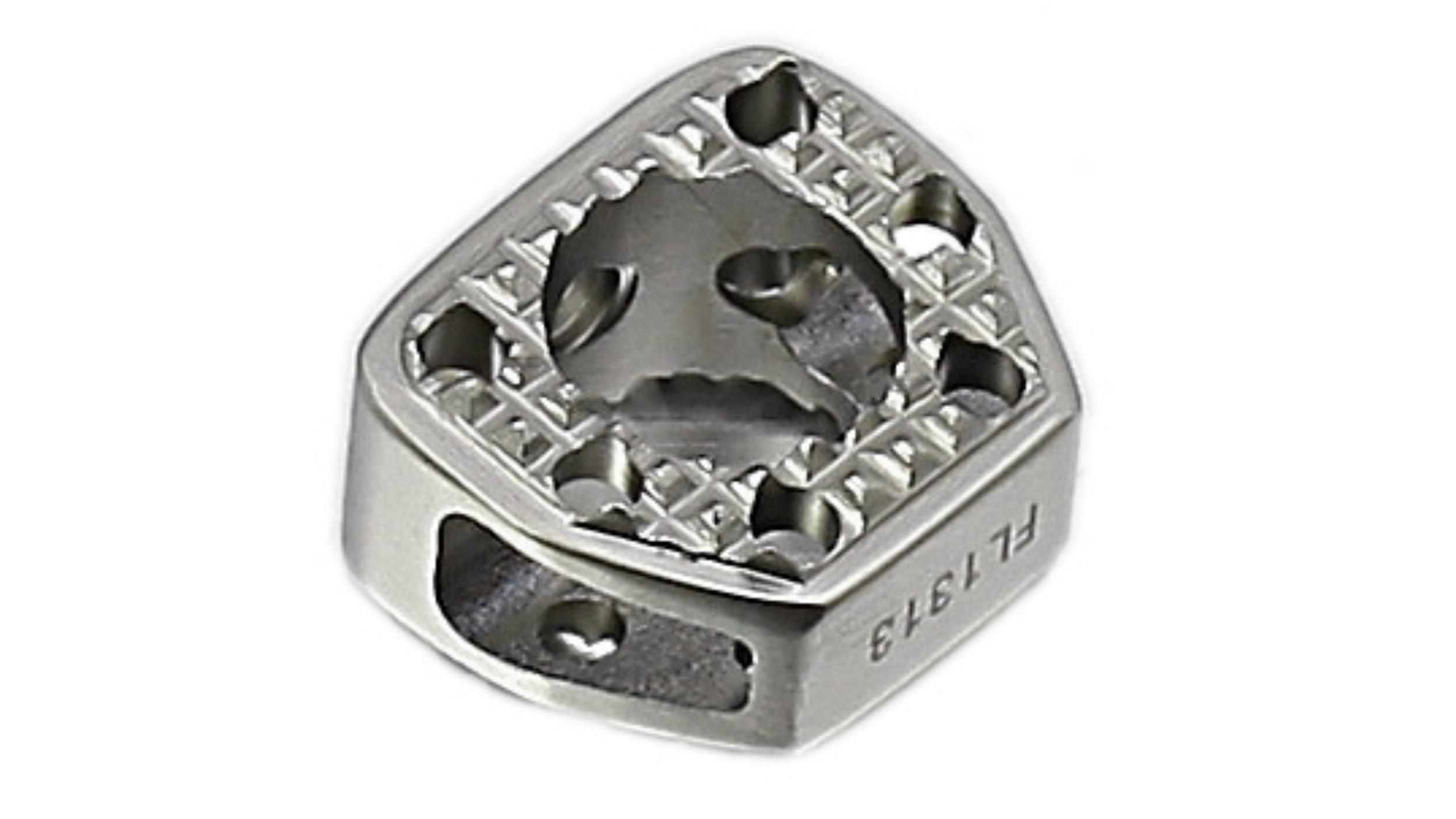
Low-profile spinal plates and locking bone systems conform to natural patient geometry, reducing soft tissue irritation and surgical contouring time.

Precision Micro-Manufacturing Gallery

A visual tour of Beijing Fule's manufacturing infrastructure, advanced inspection systems, cleanroom protocols, and structural testing operations.


Fule Production Facility Cleanroom
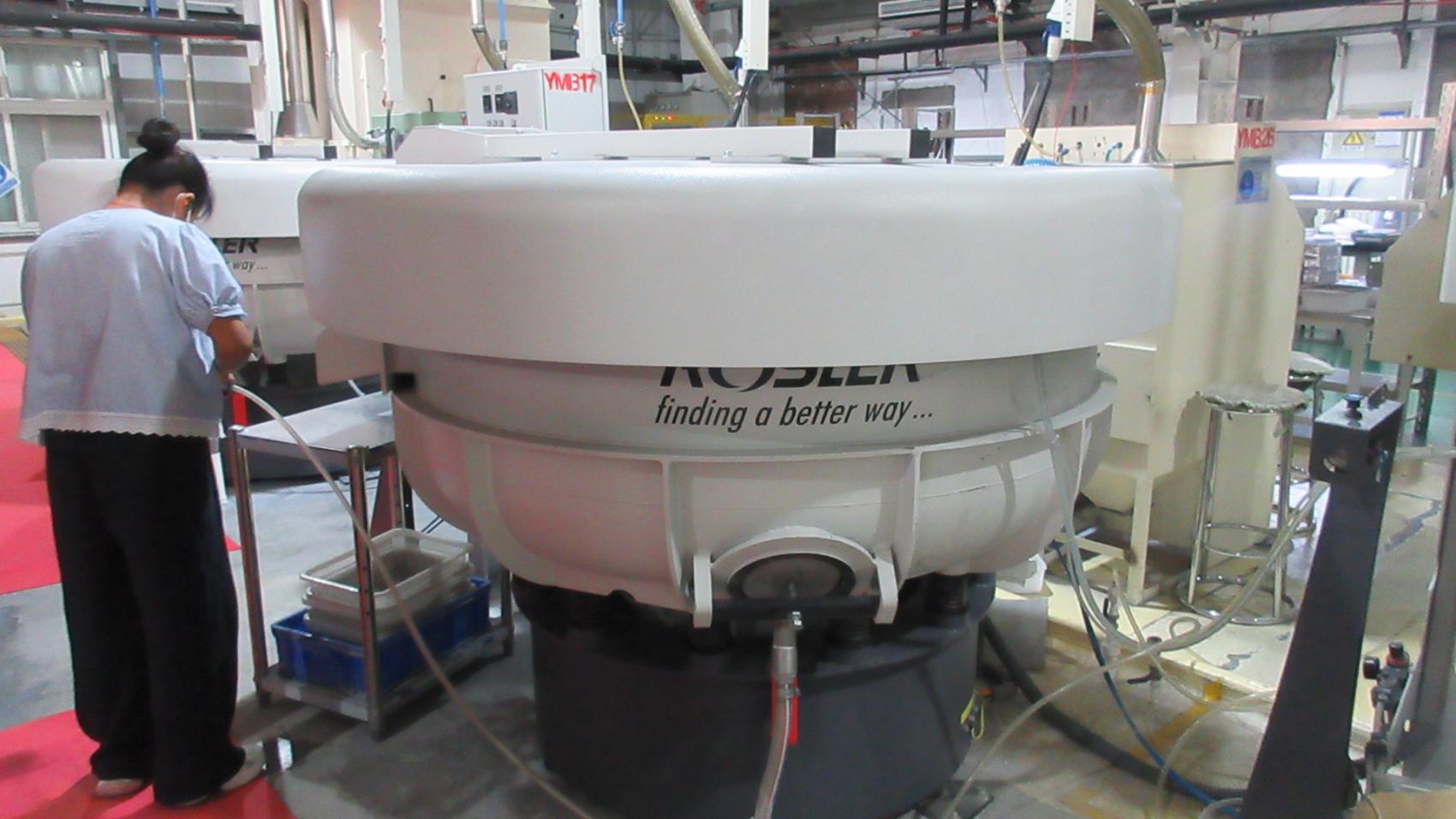
Advanced Multi-Axis CNC Machine
Implant Inspection Process
High Precision Measuring Microscope
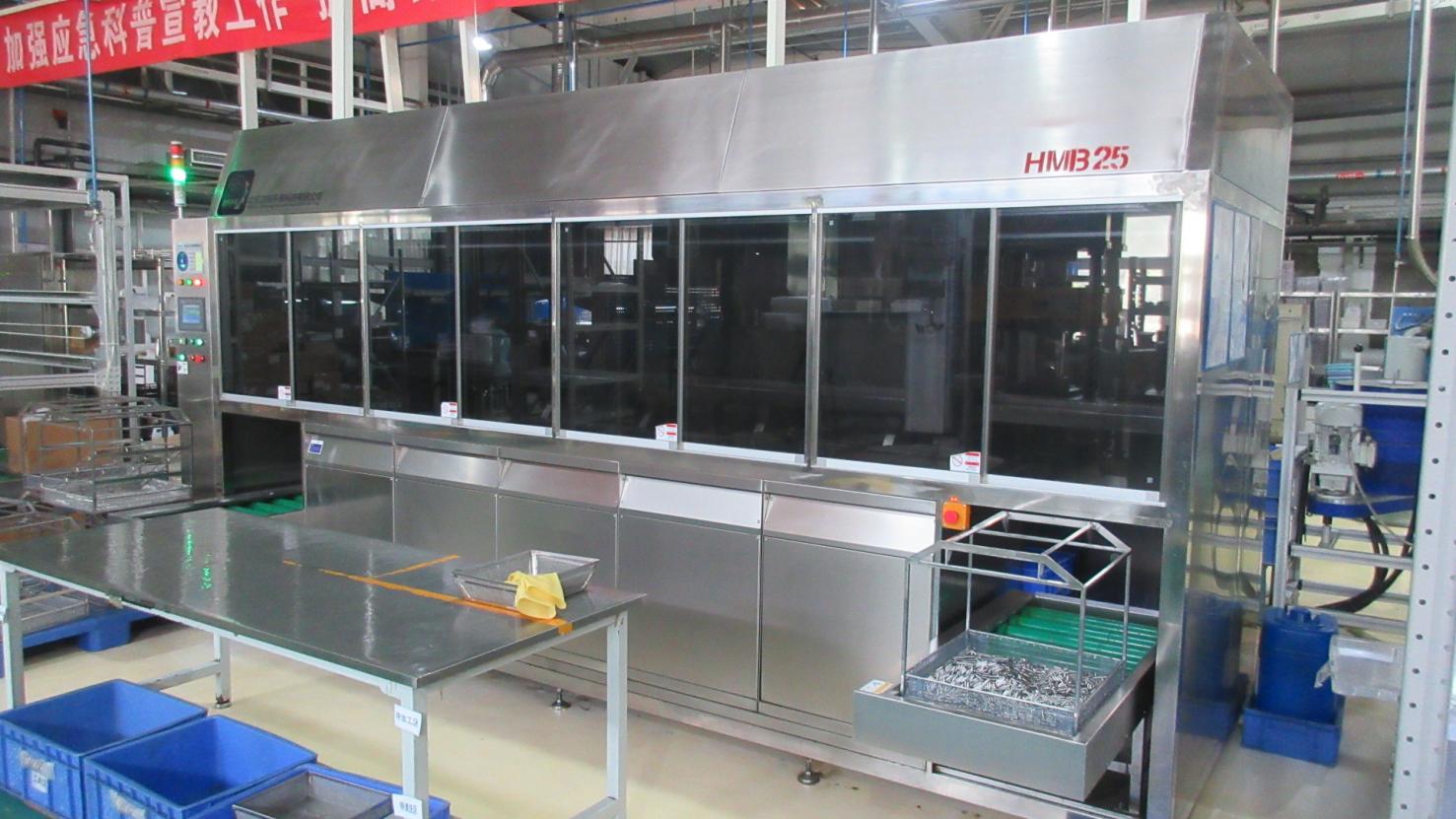
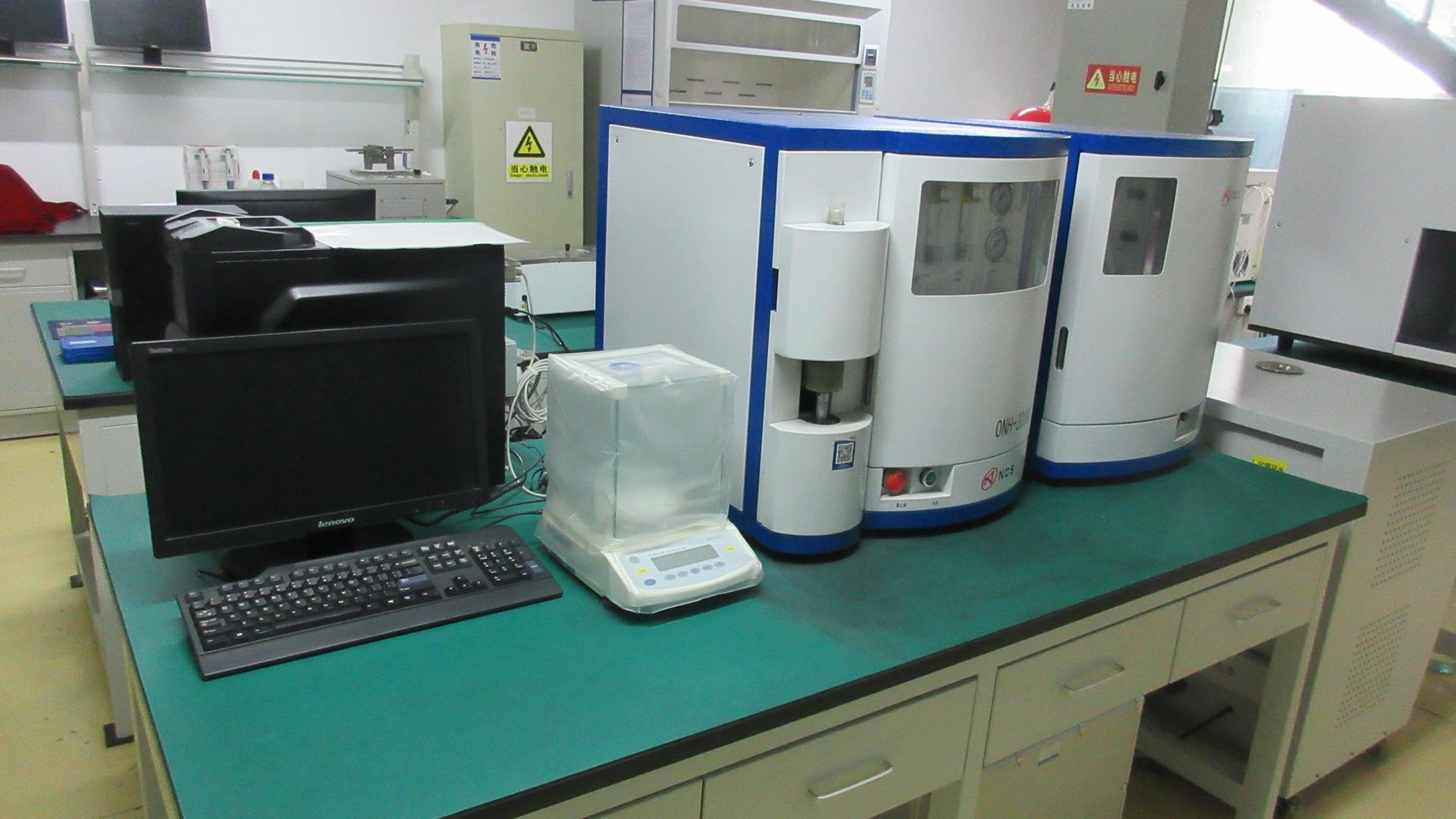
Autoclave and Washing Station
Titanium Raw Material Verification
Cleanroom Packaging Line
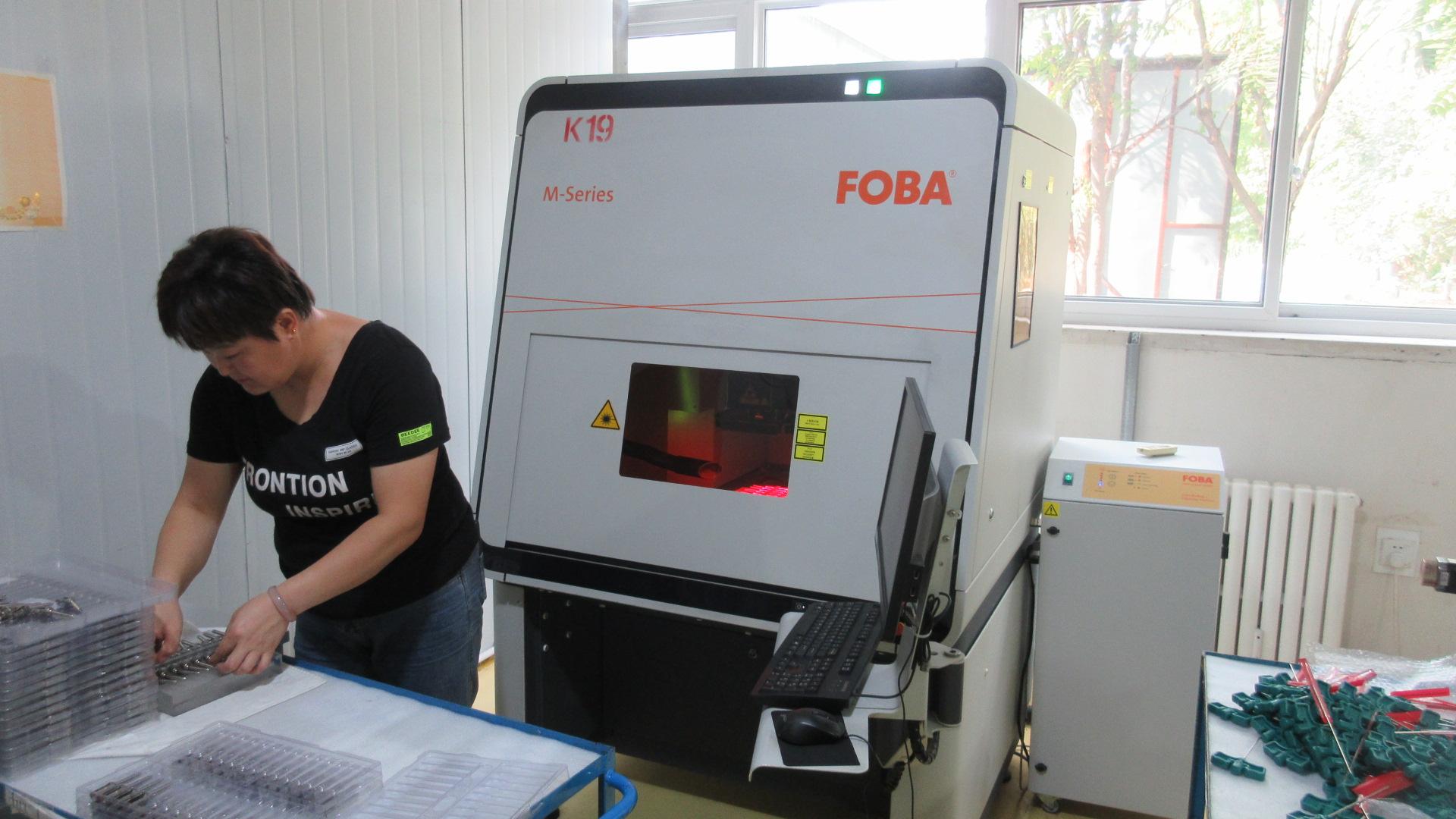
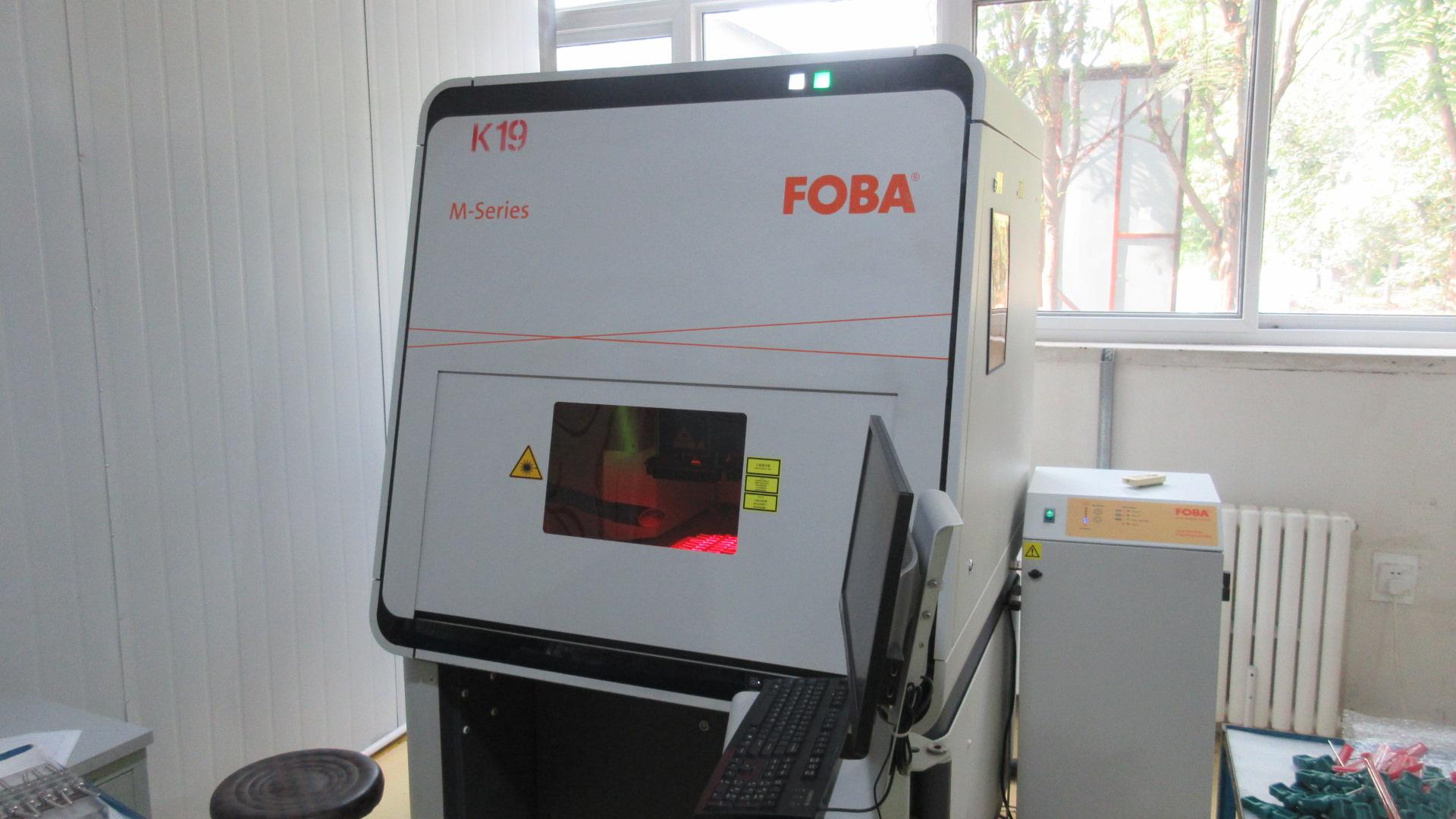
Laser Etching Serialization
Spinal System Pre-assembly
Rigid Quality Check Station
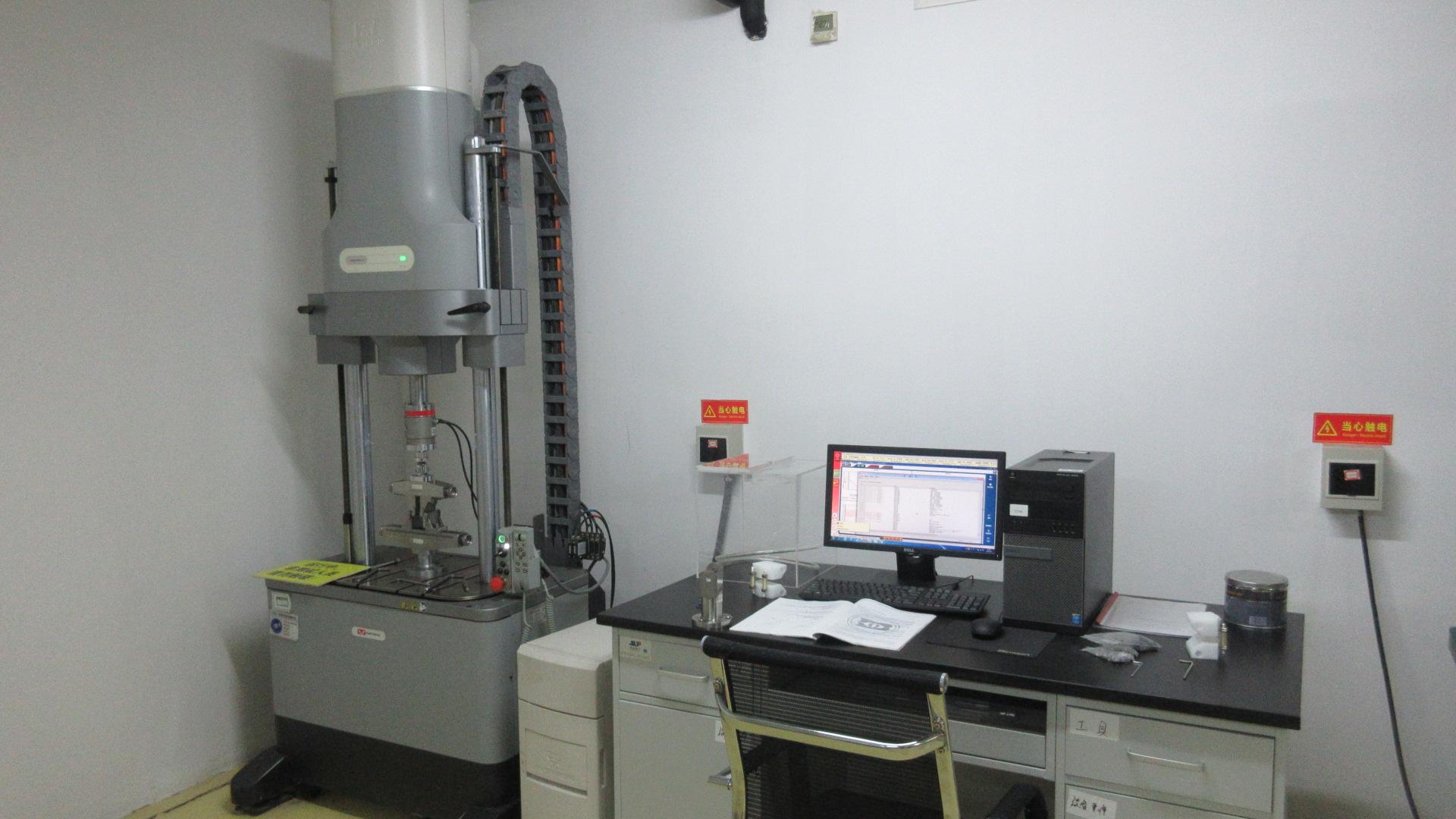
Bending Stress Testing for Plates
R&D CAD Modeling Room
Class III Sterile Gowning Area
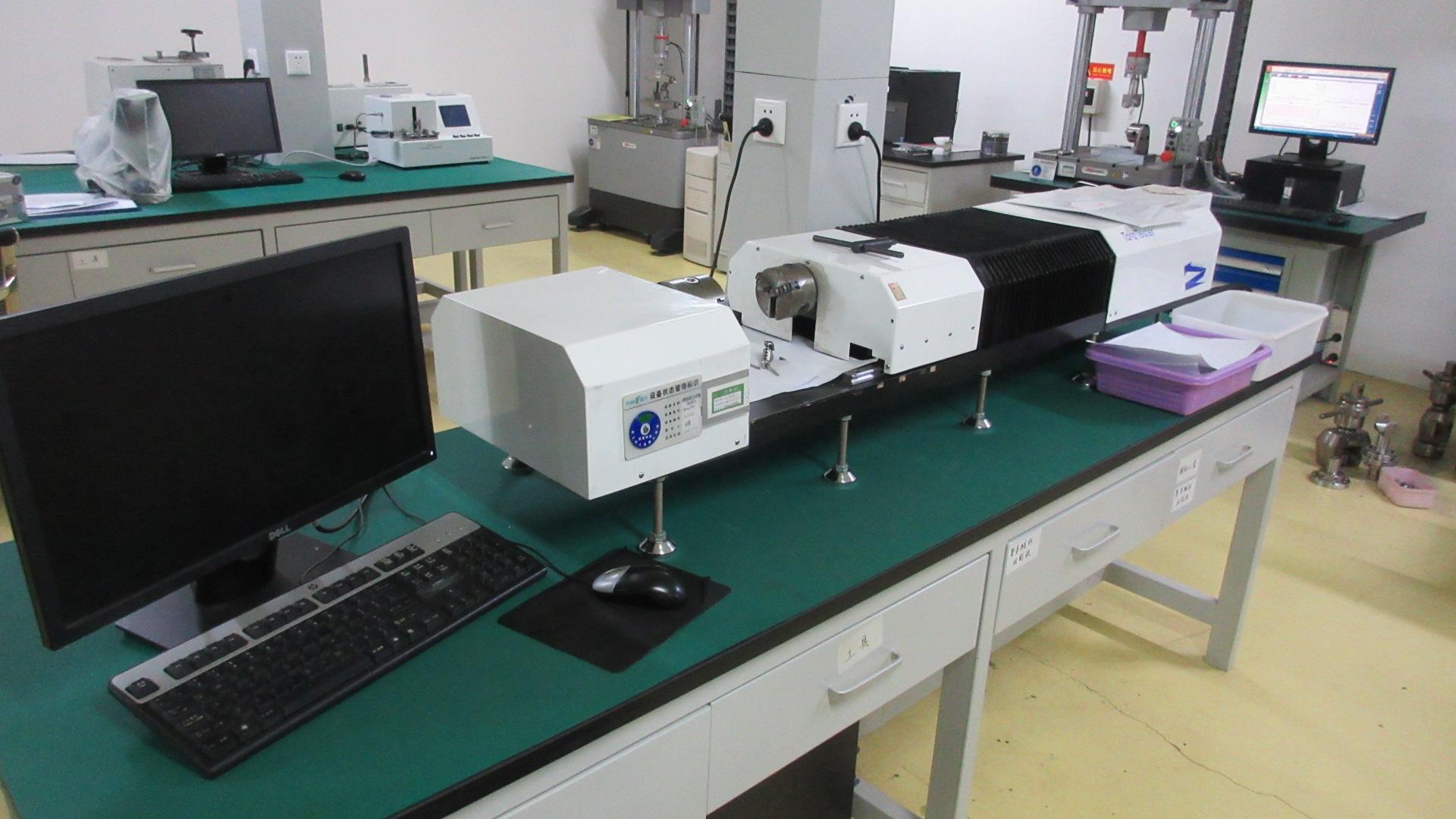
Torsion Testing for Bone Screws
Polishing and Surface Treatment Area
Finished Product Vault
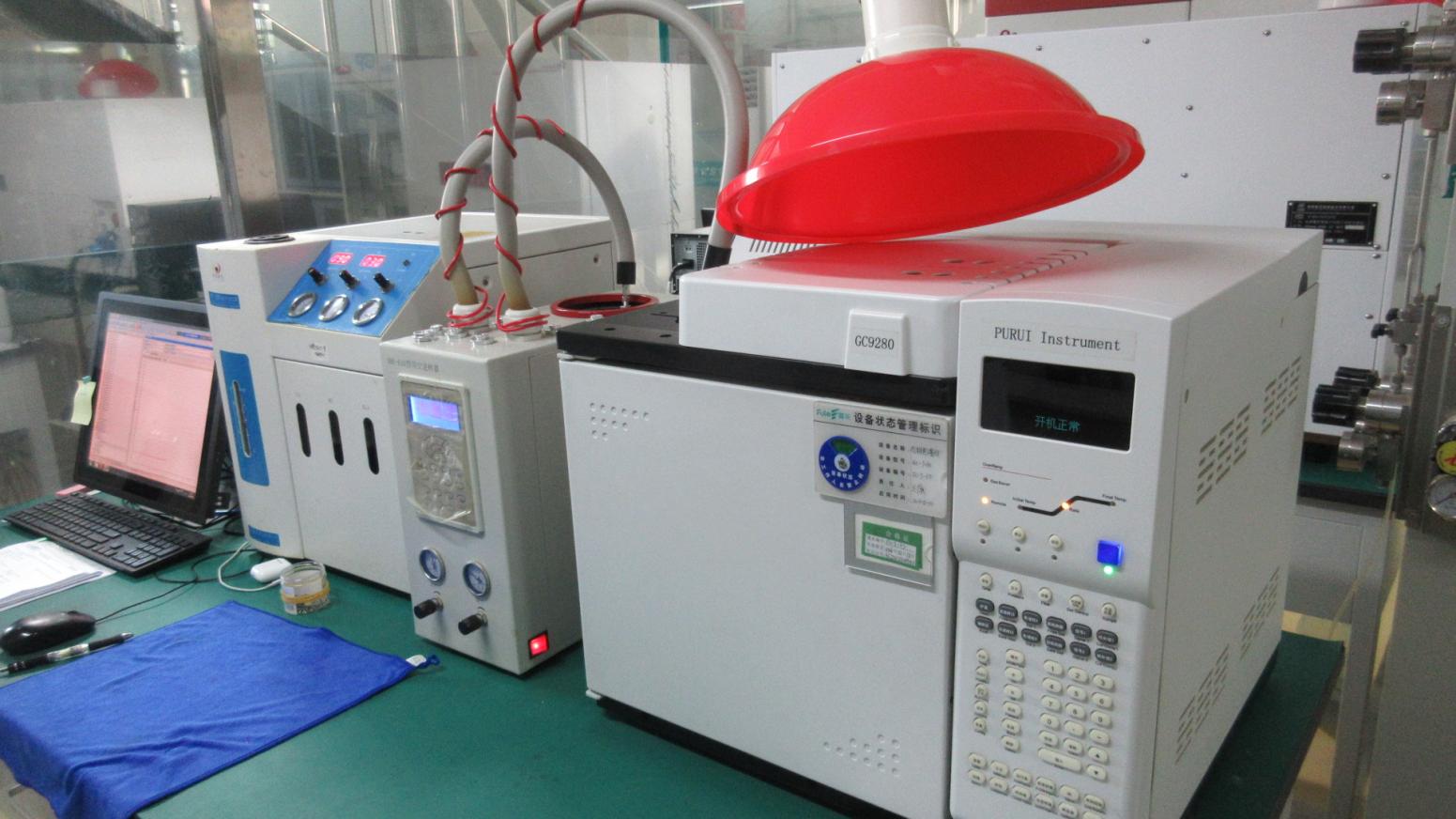
Spectrographic Material Analyzer
Tooling and Mold Workshop
Implantable PEEK Processing Lab
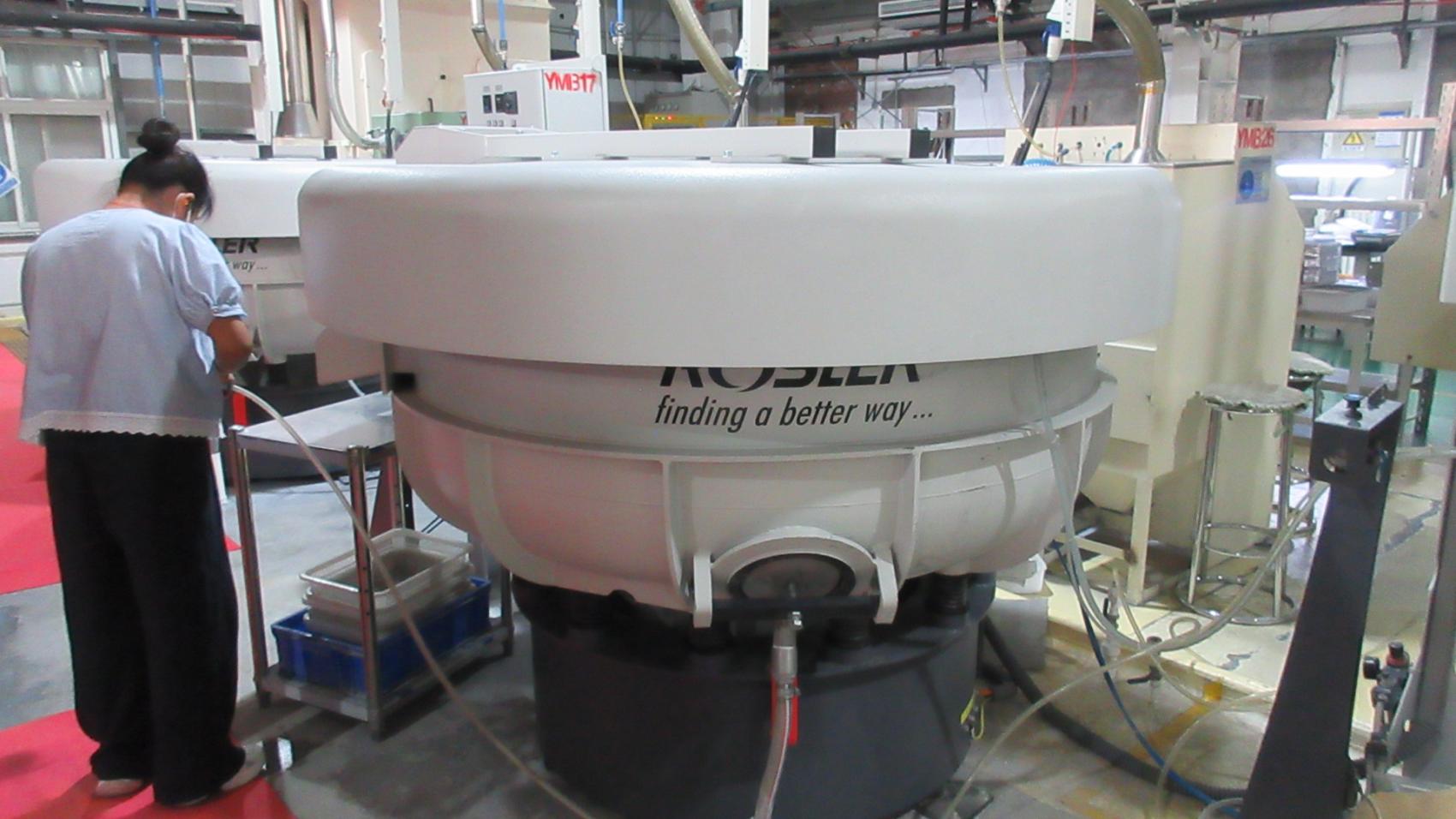
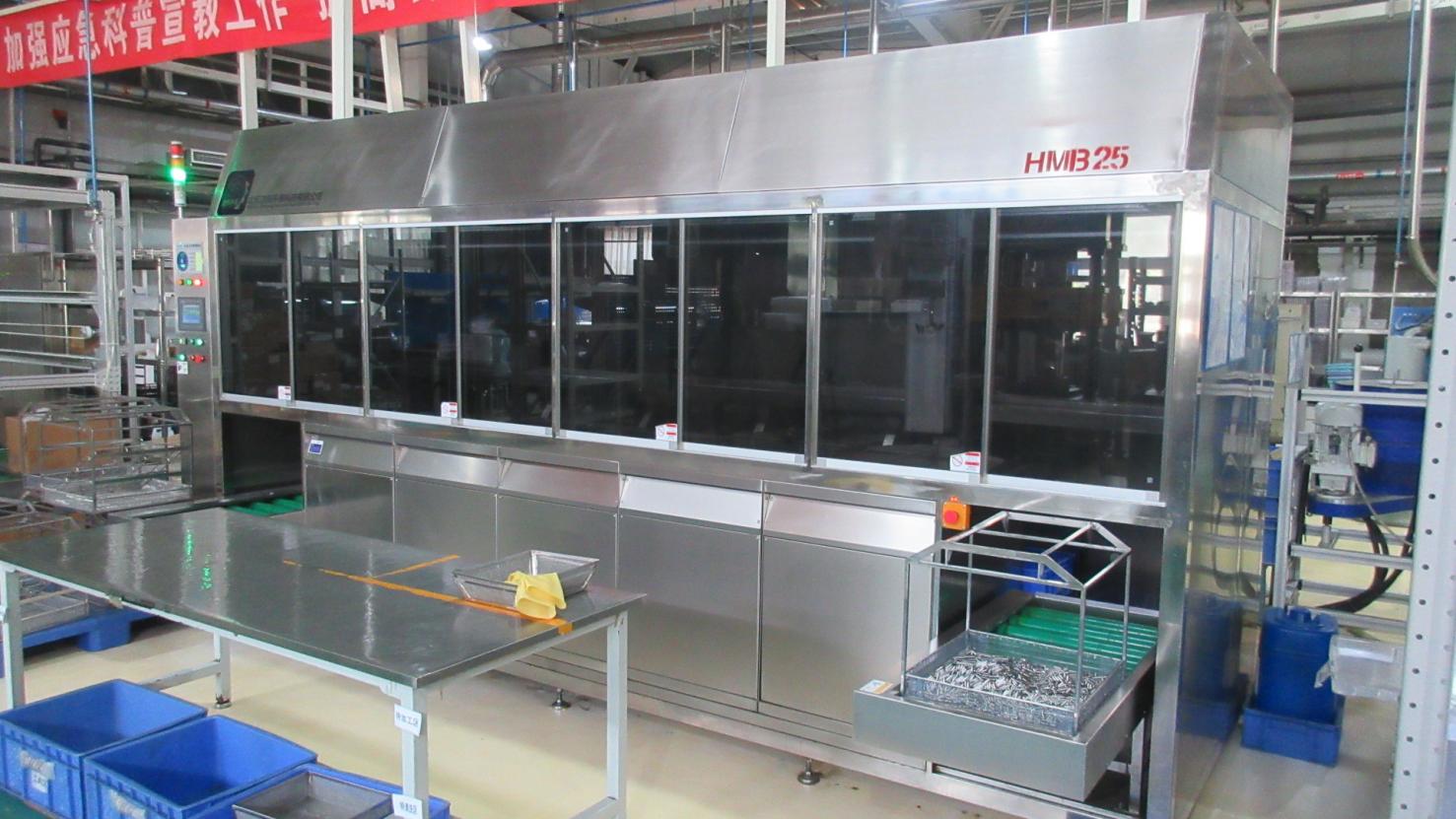
Automated Cleaning Tunnel
Surface Roughness Tester
Packaging Integrity Dye Test
Regulatory Documentation Vault
Finished Orthopedic Kits Shipping

5. Material Science: Titanium VS PEEK Cages

Choosing the right material for load-bearing spine implants requires a balance between mechanical durability and biological compatibility.

Titanium Alloys (Ti-6Al-4V ELI): Known for outstanding tensile strength, structural durability, and proven bone-implant integration. The micro-rough surfaces encourage bone growth directly onto the implant.

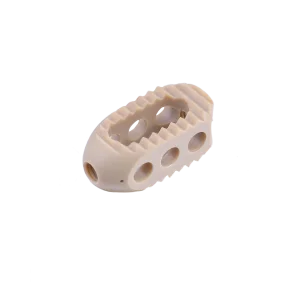
Implantable PEEK (Polyetheretherketone): Features an elastic modulus that closely matches human cortical bone, reducing stress shielding. PEEK is also radiolucent, allowing surgeons to clearly assess fusion progress via X-ray without metal glare interference.

6. Future Tech: Navigation & Robotics Integration

The future of orthopedic surgery points toward digital navigation and robotic support. Beijing Fule is building technology roadmaps to align implants and tools with these computerized surgical platforms.
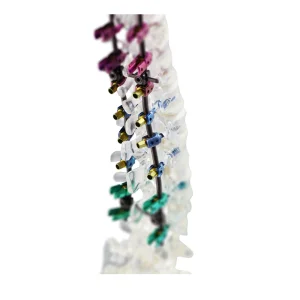
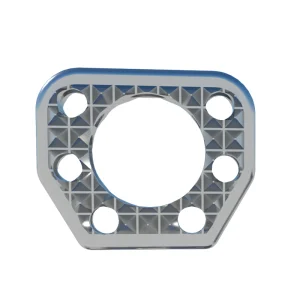
Navigation-Ready Screws & Instruments
Featuring integrated optical trackers and sensor arrays to support real-time 3D tracking during spine surgeries.
Robotic System Connectivity
Calibrated interfaces designed for robotic arm end-effectors, ensuring highly accurate implant placement during complex surgeries.

Regulatory & Technical FAQ

What certifications back Beijing Fule's orthopedic systems?
Our products carry full CE and ISO 13485 (Registration 04724Q10000818) certifications. This guarantees that our spinal implants, pedicle screw systems, and trauma plates meet international standards for clinical safety and performance.
How is raw material quality verified?
We trace 100% of our raw materials. Every batch of Titanium (Ti-6Al-4V ELI) and PEEK undergoes physical, chemical, and spectrographic verification to match international ASTM and ISO specifications before production.
Do you provide OEM, ODM, or customized surgical kits?
Yes, we offer fully customizable options including sample processing, graphic design, and custom development. With our 20-engineer R&D team, we can adapt dimensions, thread layouts, and surgical instruments to meet your market's needs.
What is the typical warranty and shelf-life policy?
Our major implant series (including the MIKO II spine line and cervical systems) come with a 5+ year warranty. Sterile packaged items maintain their barrier seal integrity under standard storage conditions in line with ISO validation standards.
How do you handle production quality inspections?
We perform complete inspections on all products rather than batch sampling. Our 15 QA/QC inspectors run dimensional checks, thread-fit tests, and visual assessments on every single finished component.