Custom OEM Medical Imaging Software Suppliers & Exporters

Integrating Precision Diagnostics with Implant Design Pipelines. Empowering global orthopedic manufacturers, distributors, and surgical clinics with high-fidelity, ISO 13485-compliant medical hardware integration and imaging software solutions.

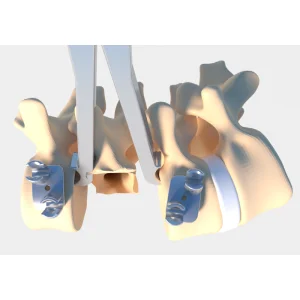
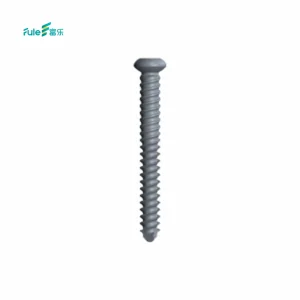
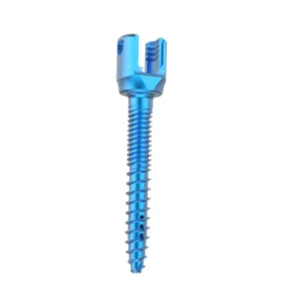
Premium Orthopedic & Spinal Surgical Implants

Directly compatible with advanced pre-operative 3D surgical planning and reconstruction workflows

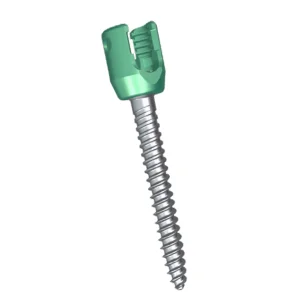
CE Certified Titanium Medical Implantable Organ

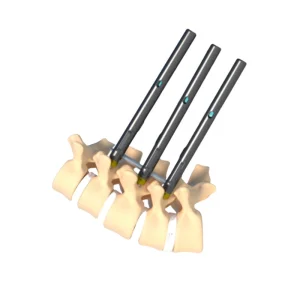
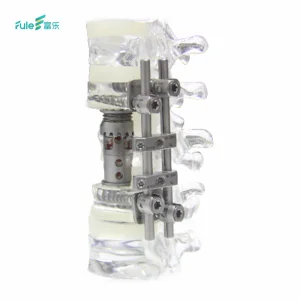
High Quality Fule Brand CE Certified Titanium MIKO II Series Medical Implantable Artificial Organ for Spine Surgery Made China

Explore Details
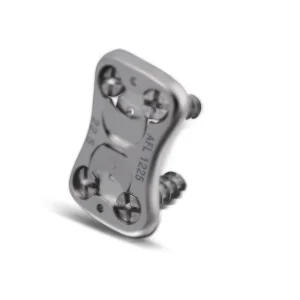
Anterior Cervical Spine Plate System

Anterior Cervical Spine Plate System Titanium Orthopedic Surgery Implant Medical Device Treating Scoliosis Interventional Class

Explore Details
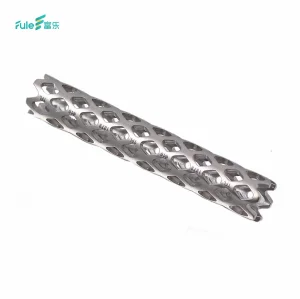
Orthopedic Implant Titanium Mesh

Orthopedic Implant Titanium Mesh Anterior Plates Cylindrical Interbody Fusion Cage Prismatic Hole Fule Brand CE Certified Class

Explore Details
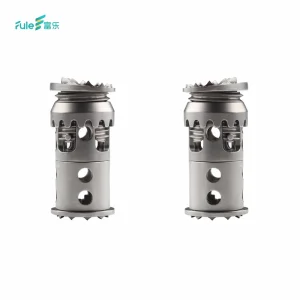
Fule Fava Titanium Vertebral Body Implant

Fule Fava Titanium Artificial Vertebral Body Medical Suit System Orthopedic Surgery Implant CE/ISO13485/ISO9001 Certified

Explore Details
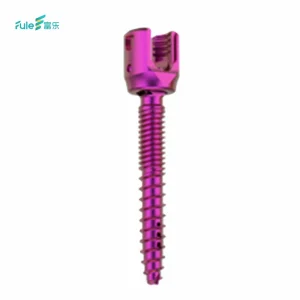
Orthopedic Titanium Surgical Implants

Competitively Priced Orthopedic Titanium Surgical Implants CCS Pediatric Spinal Screw-Rod System Interventional Materials

Explore Details
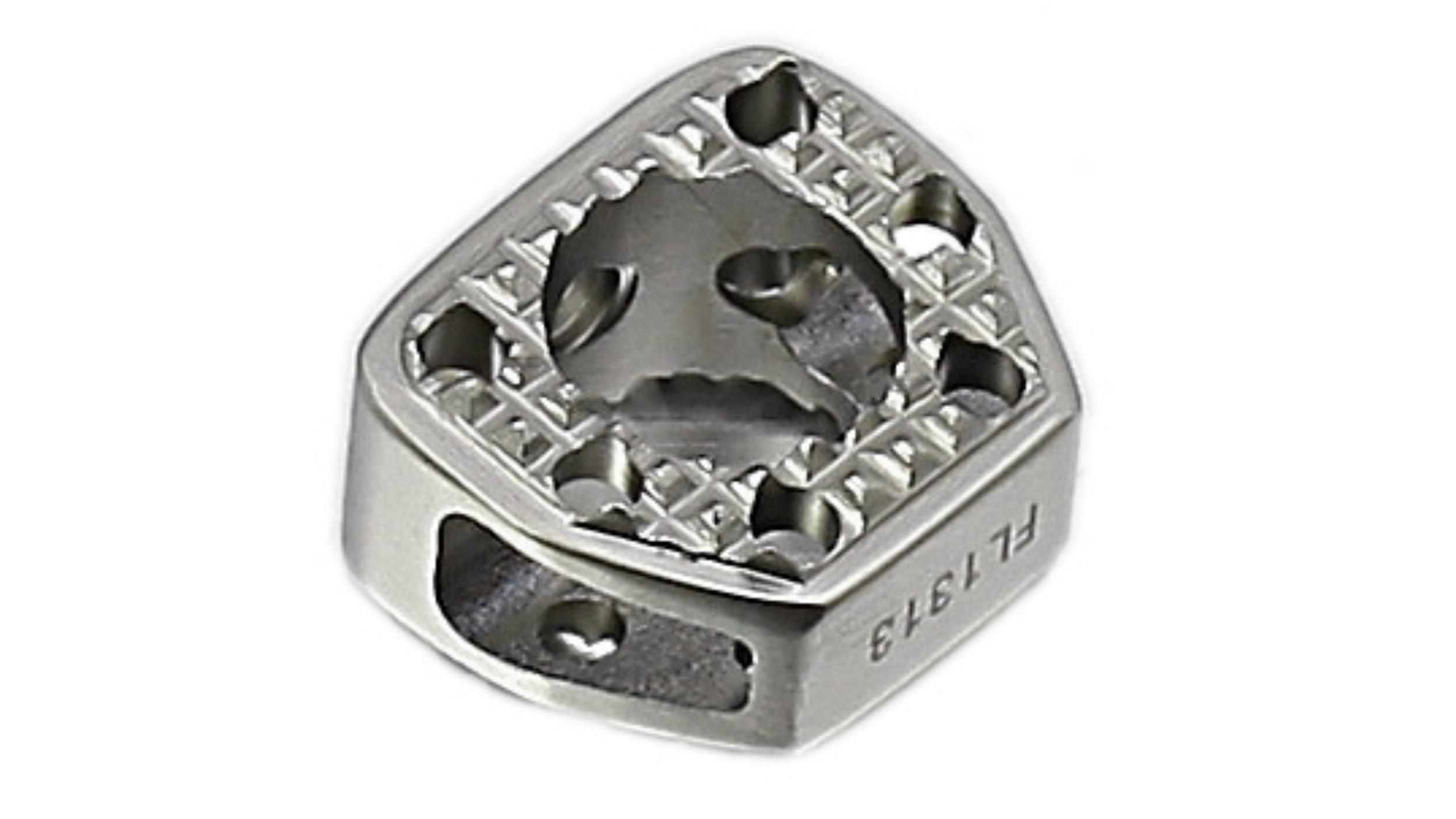
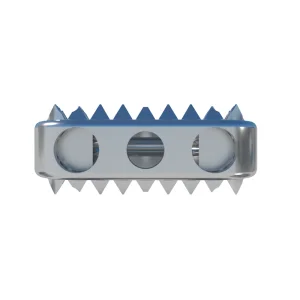
Anterior Cervical Fusion Cage

Hot Selling Fule Anterior Cervical Interbody Fusion Cage Titanium Alloy Orthopedic Surgical Implants Class III CE/ISO Certified

Explore Details
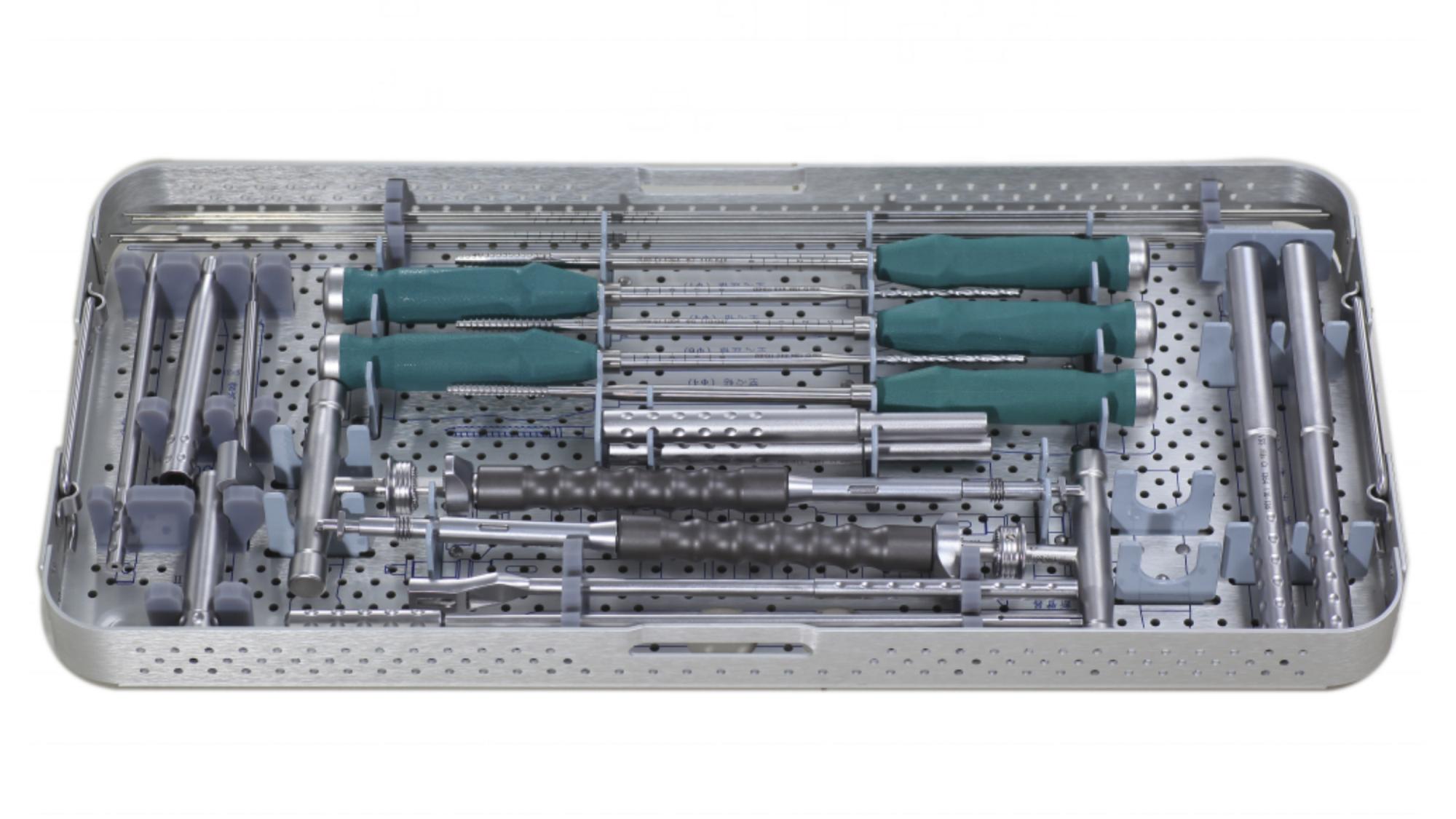
Manual Orthopedic Surgical Instruments

MIKO II 5.5 Manual Orthopedic Surgical Instruments Minimally Invasive Screw-Rod System with Over 5-Year Warranty

Explore Details
Custom Titanium Alloy Implantable Fusion Cage

Manufacturer Direct Custom Titanium Alloy Implantable Interbody Fusion Cage Hospital Application Artificial Vertebral Body Class

Explore Details

Medical Imaging Software & Digital Surgery Integration

Bridging the gap between multi-modal imaging acquisition and physical orthopaedic reconstruction

The global healthcare sector is witnessing a paradigm shift from standardized implant interventions to highly personalized clinical solutions. At the center of this revolution is the integration of advanced OEM Medical Imaging Software. Modern medical software no longer functions as a standalone viewer; it is the fundamental bridge that connects diagnostic imaging modality inputs (CT, MRI, X-Ray) with high-precision physical intervention systems (spinal fixation screws, anatomical plates, and personalized fusion cages).

In contemporary orthopedics and neurosurgery, surgical planning demands an absolute synthesis between digital CAD data and DICOM (Digital Imaging and Communications in Medicine) raw data. By deploying sophisticated segmentation algorithms, medical personnel can convert slice-by-slice voxel representations of patients' pathology into precise 3D surface meshes (STL/OBJ formats). These meshes form the anatomical foundation upon which customized titanium implants—such as the Fule MIKO II Series and anterior cervical plates—are designed, validated, and eventually fabricated.

Macro-Industry Outlook & Digital Ecosystem Dynamics

Globally, healthcare providers face rising demands to reduce operating theater time, lower readmission rates, and mitigate perioperative risks. Digital surgery ecosystems driven by OEM software solve these challenges. Leading medical institutions recognize that incorporating cloud-native DICOM archiving, AI-assisted lesion extraction, and parametric implant templates dramatically reduces the cycle time for patient-specific planning. As an established developer and exporter, our objective is to supply modular, white-label PACS (Picture Archiving and Communication System) software components and planning tools that enable regional distributors and device manufacturers to build comprehensive digital pipelines.


Multi-Modal DICOM Parsing

Highly optimized rendering engine capable of loading high-resolution multi-slice CT, MRI, and CBCT datasets. Integrates seamless volumetric calculation algorithms to display accurate Hounsfield Unit (HU) mapping.

Real-Time 3D Rendering

Utilizes hardware-accelerated WebGL and Ray Casting algorithms to generate interactive multi-planar reconstructions (MPR), maximum intensity projections (MIP), and realistic 3D bone volume visualization.

Implant CAD Alignment

Seamlessly overlays standard orthopaedic implant library models onto segmented anatomical structures. Enables dynamic sizing, screw trajectory optimization, and collision detection to ensure intraoperative fit.

Technology Roadmap: From Diagnostic Scan to Surgical Execution

The standard procedural framework for modern custom OEM software integration

1

DICOM Acquisition

Receiving standard DICOM datasets from medical imaging modalities. Parsing metadata elements in compliance with HIPAA and GDPR data privacy standards.

2

Anatomical Segmentation

Applying AI-based thresholding and active contour models to isolate target bone structures, vertebral bodies, or joint cavities from soft tissue artifacts.

3

Virtual Templating

Positioning surgical hardware (pedicle screws, titanium mesh, fusion cages) within the reconstructed 3D space to simulate kinematic ranges and load transfers.

4

CNC & 3D Print Output

Exporting validated surgical templates, patient-specific cutting guides, and implant parameters directly to manufacturing systems for physical fabrication.

29 Years of Medical Precision Engineering

A solid foundation of hardware manufacturing, regulatory mastery, and customizable OEM software integration

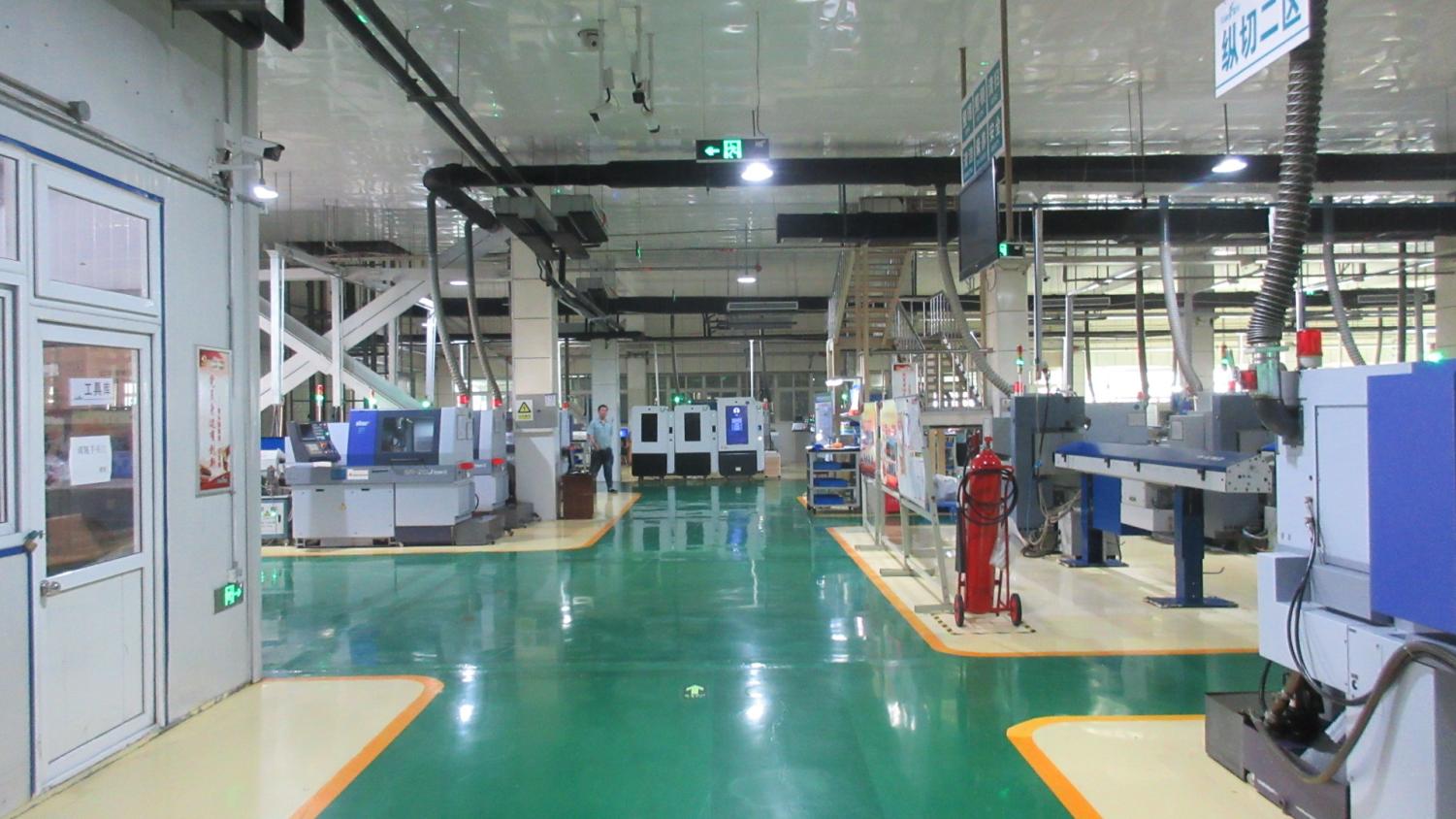
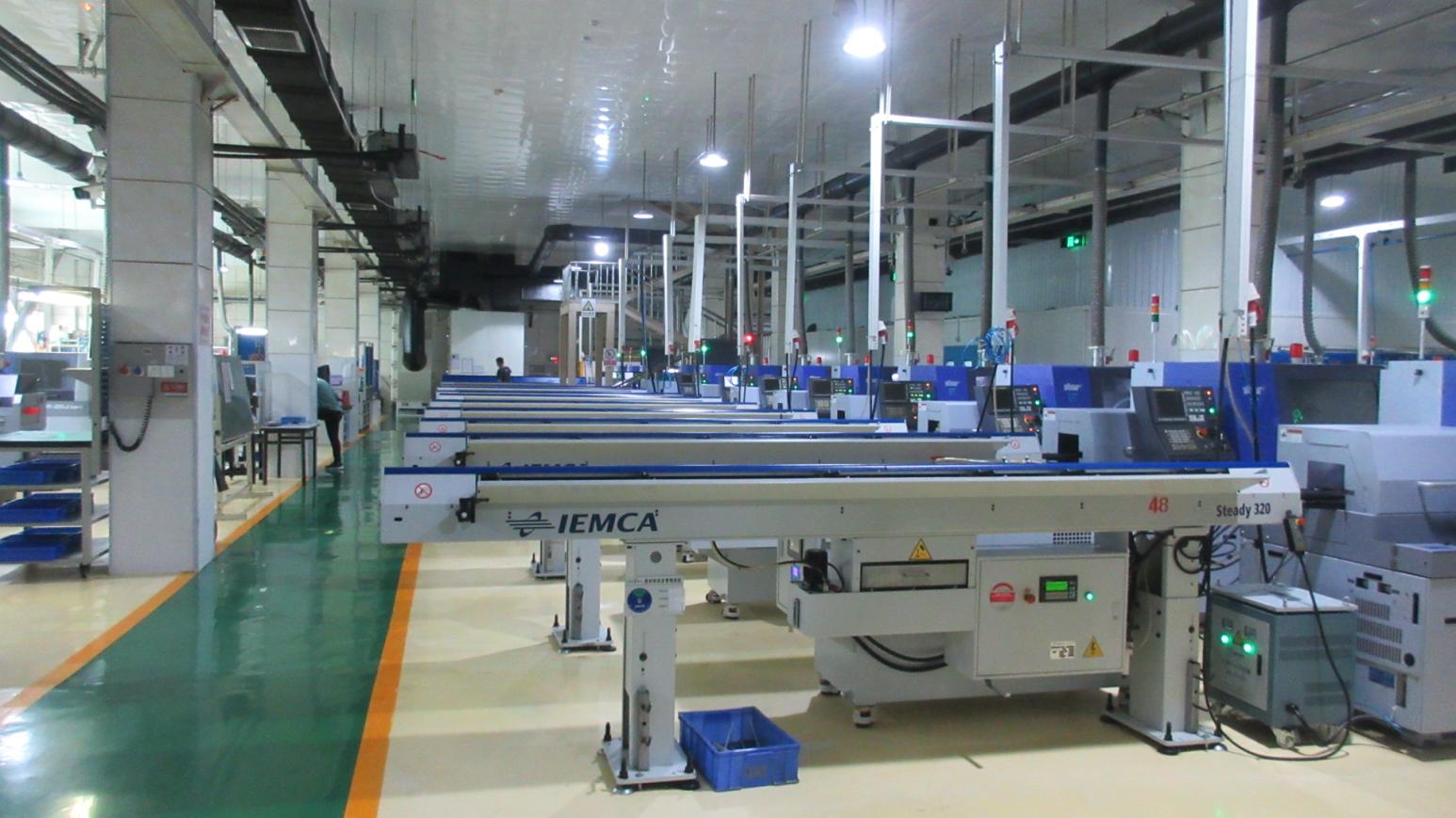
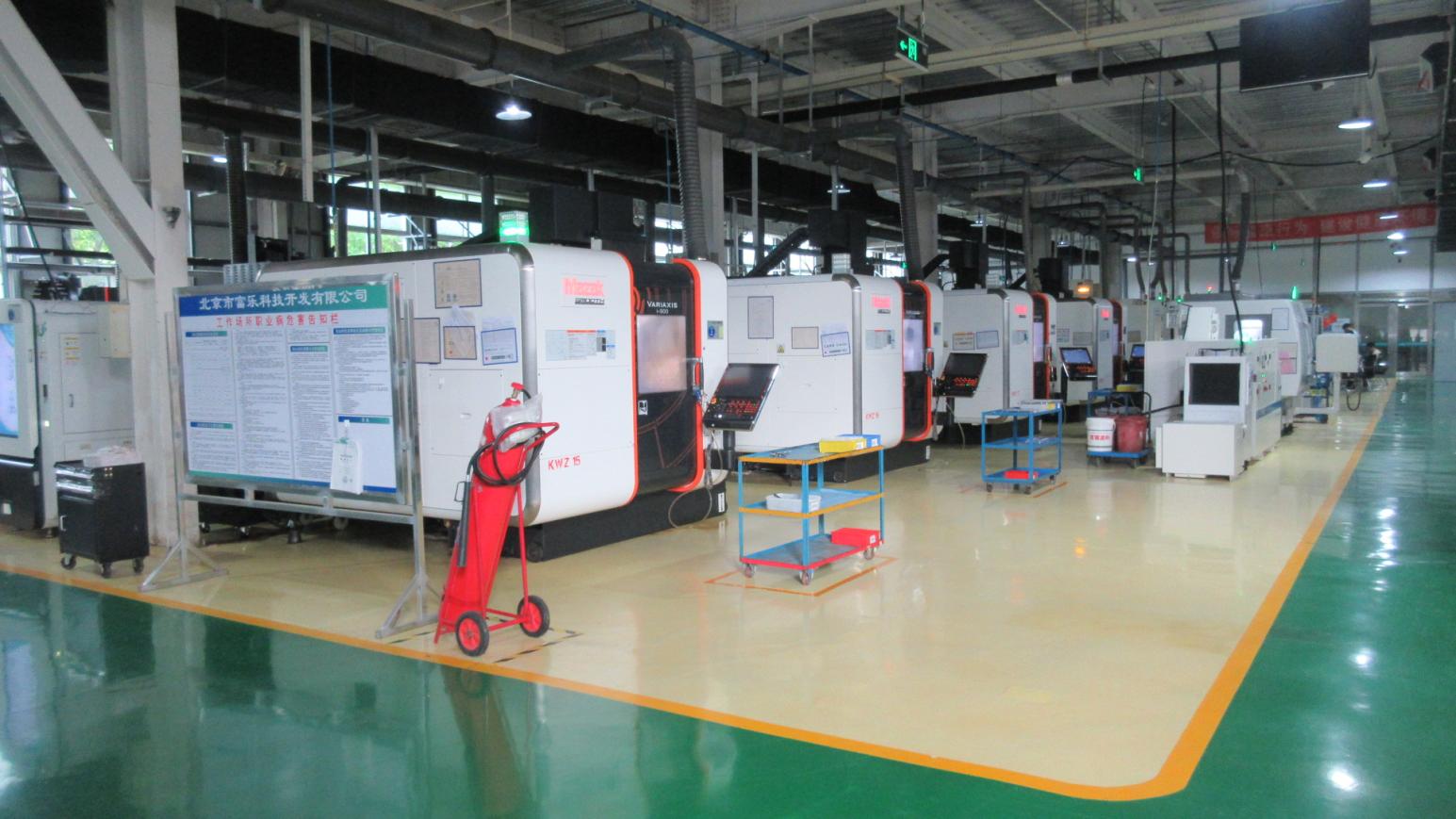
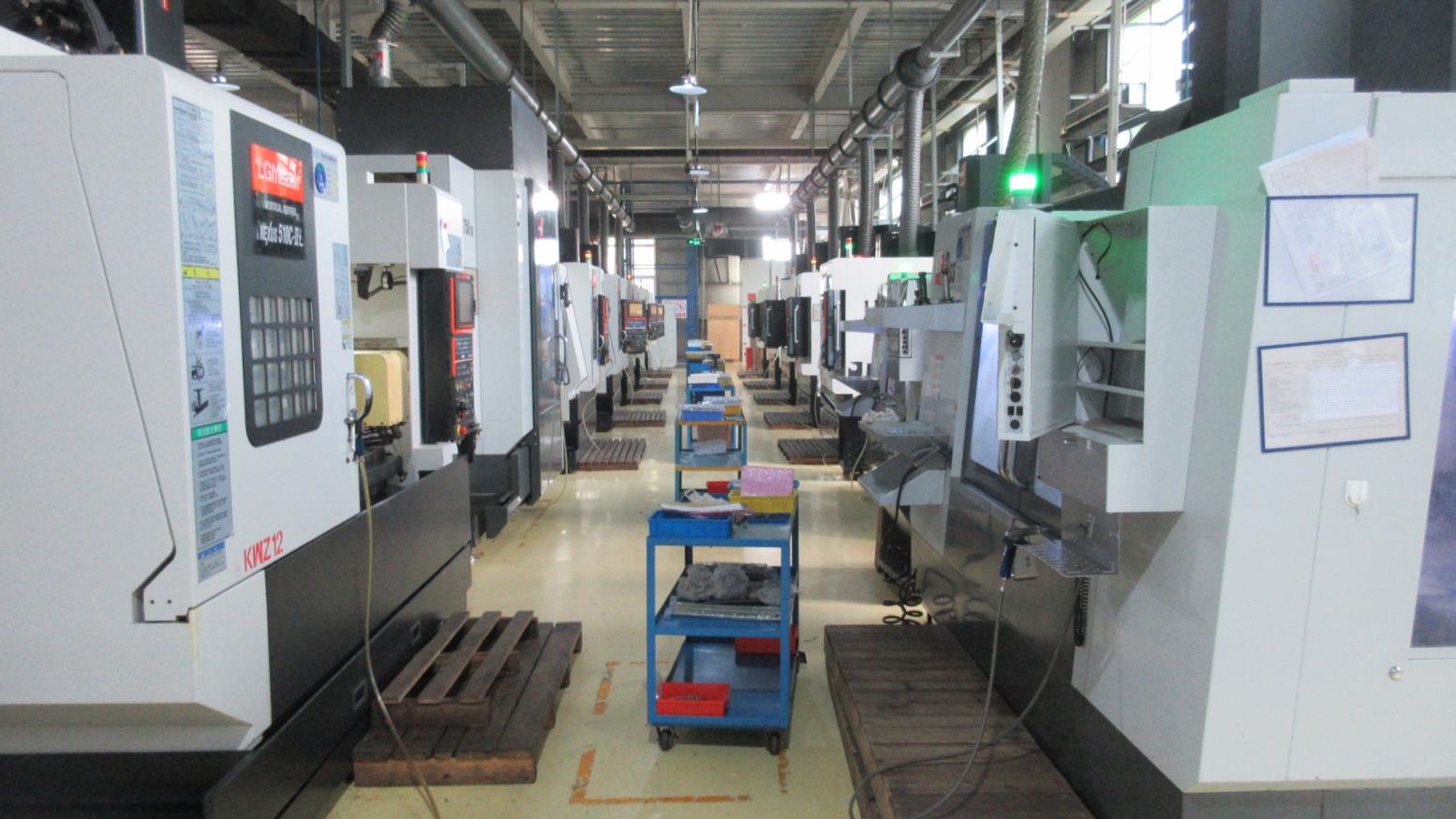
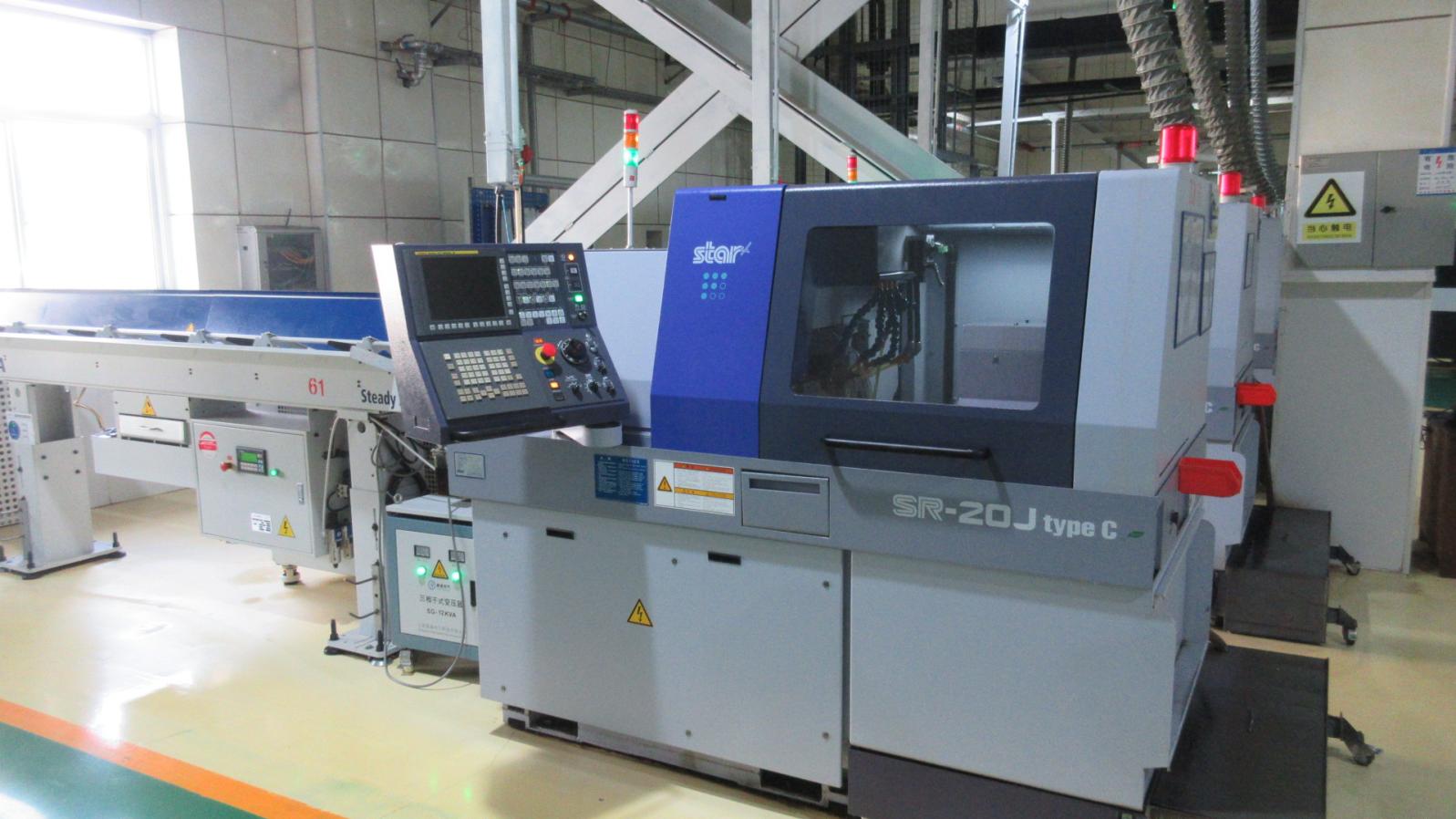
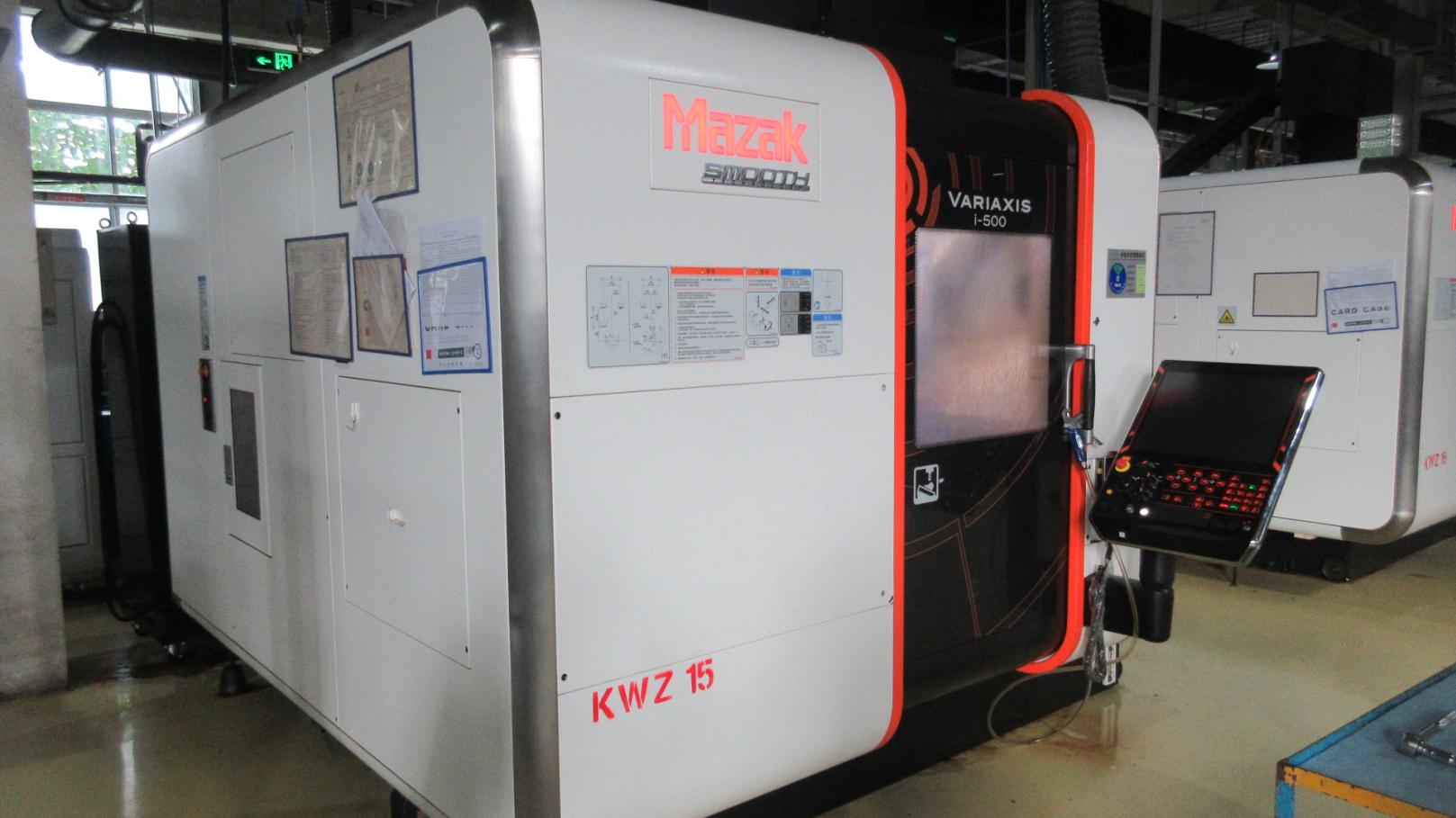
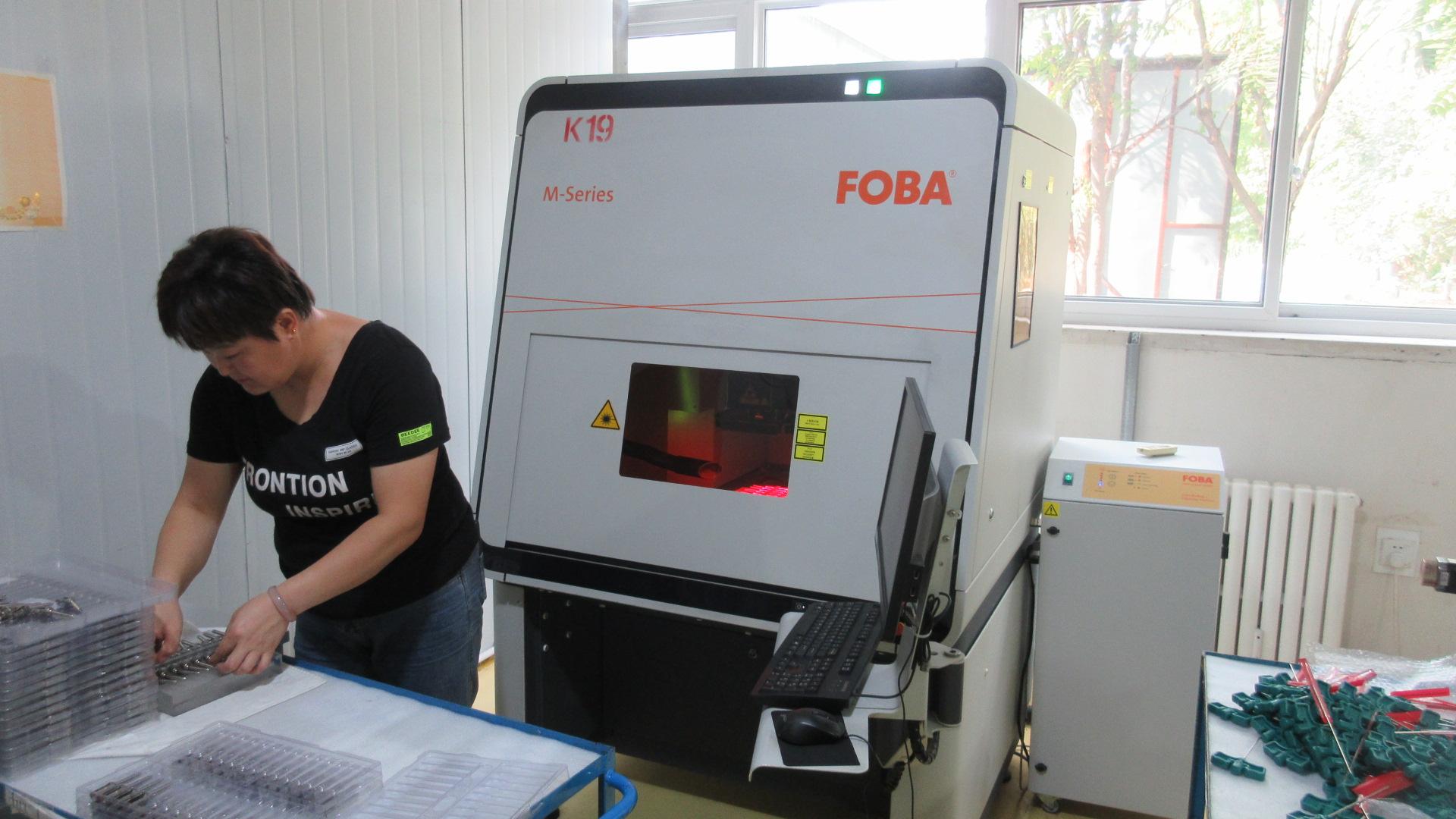
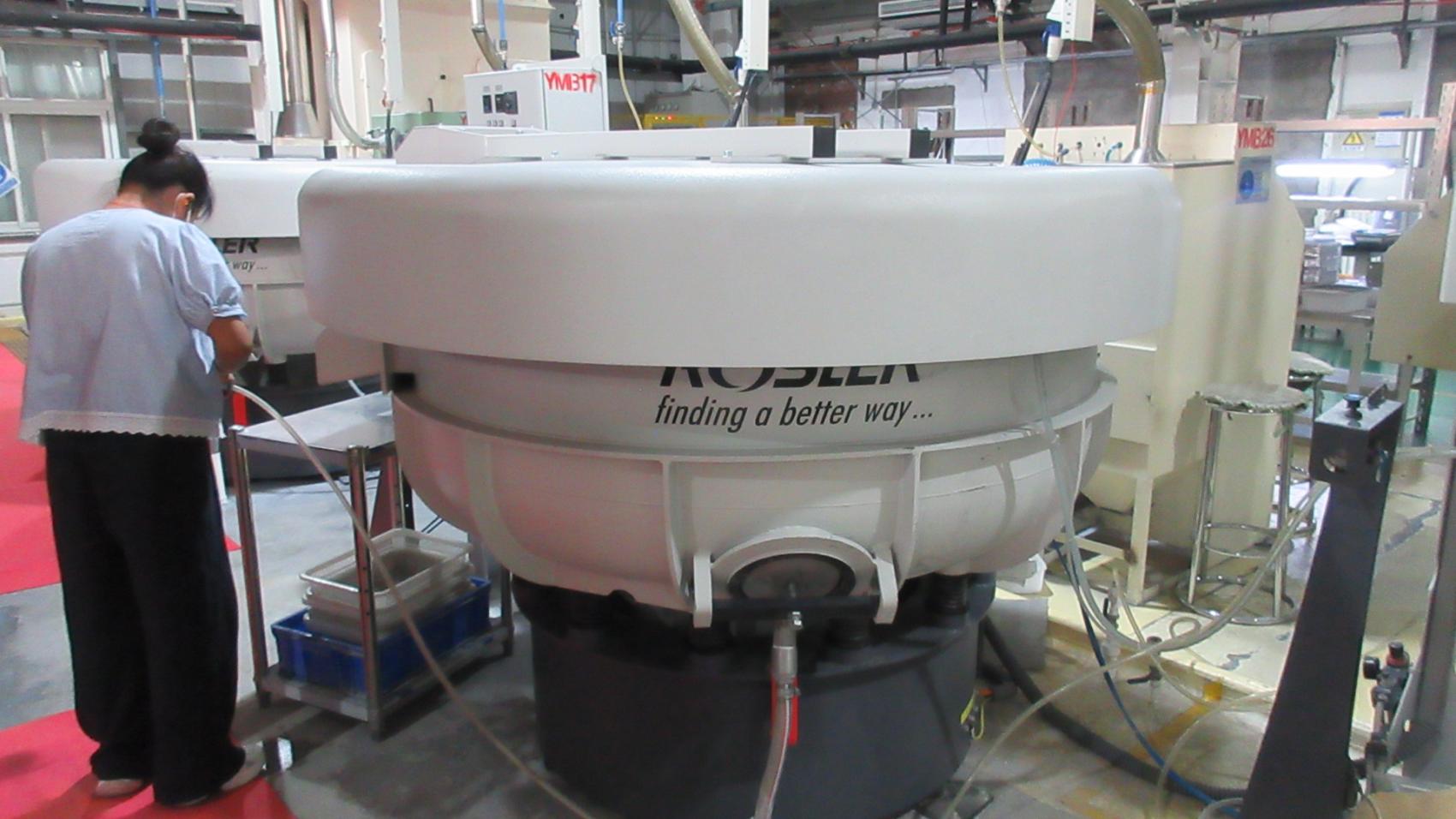
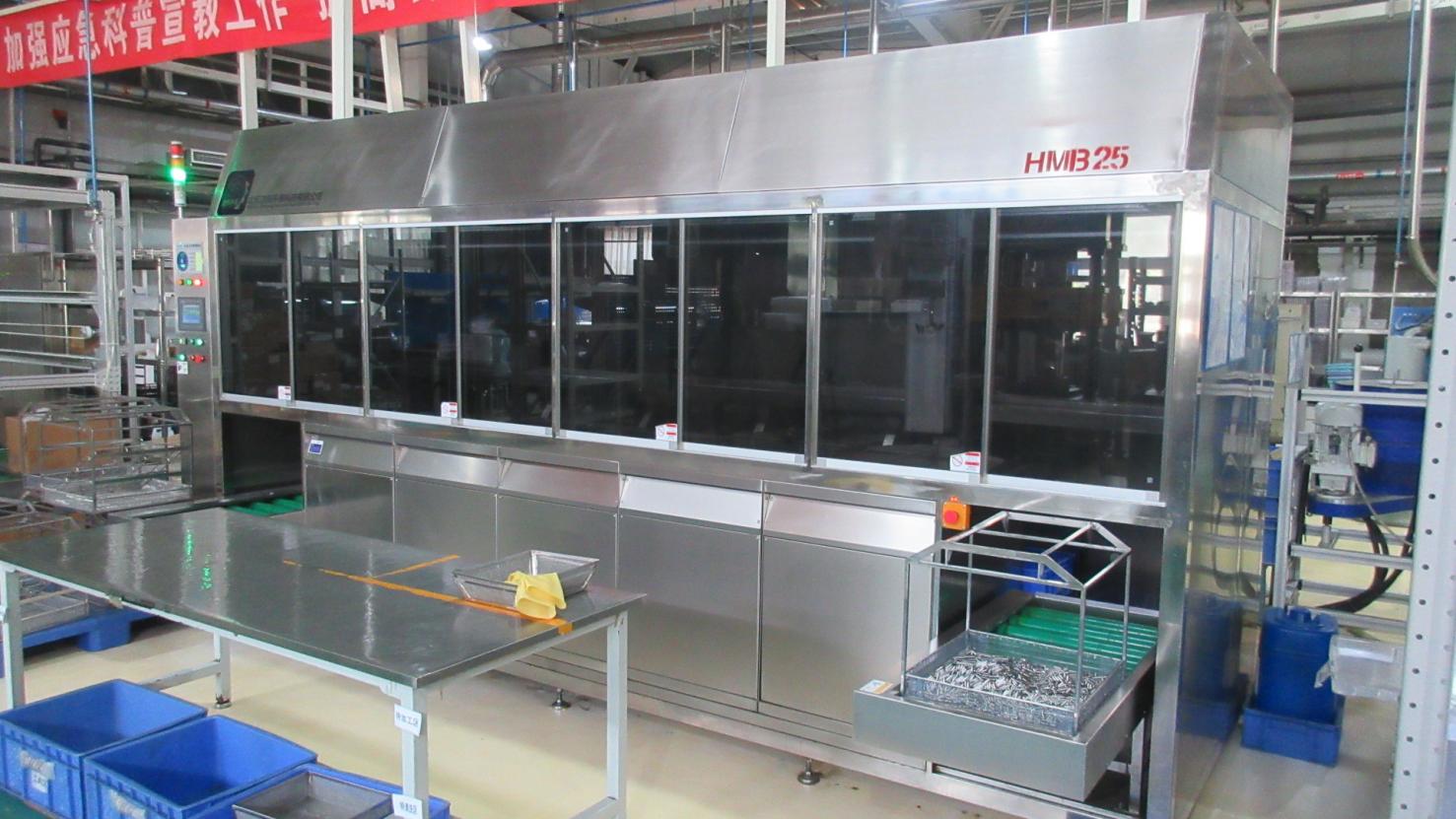
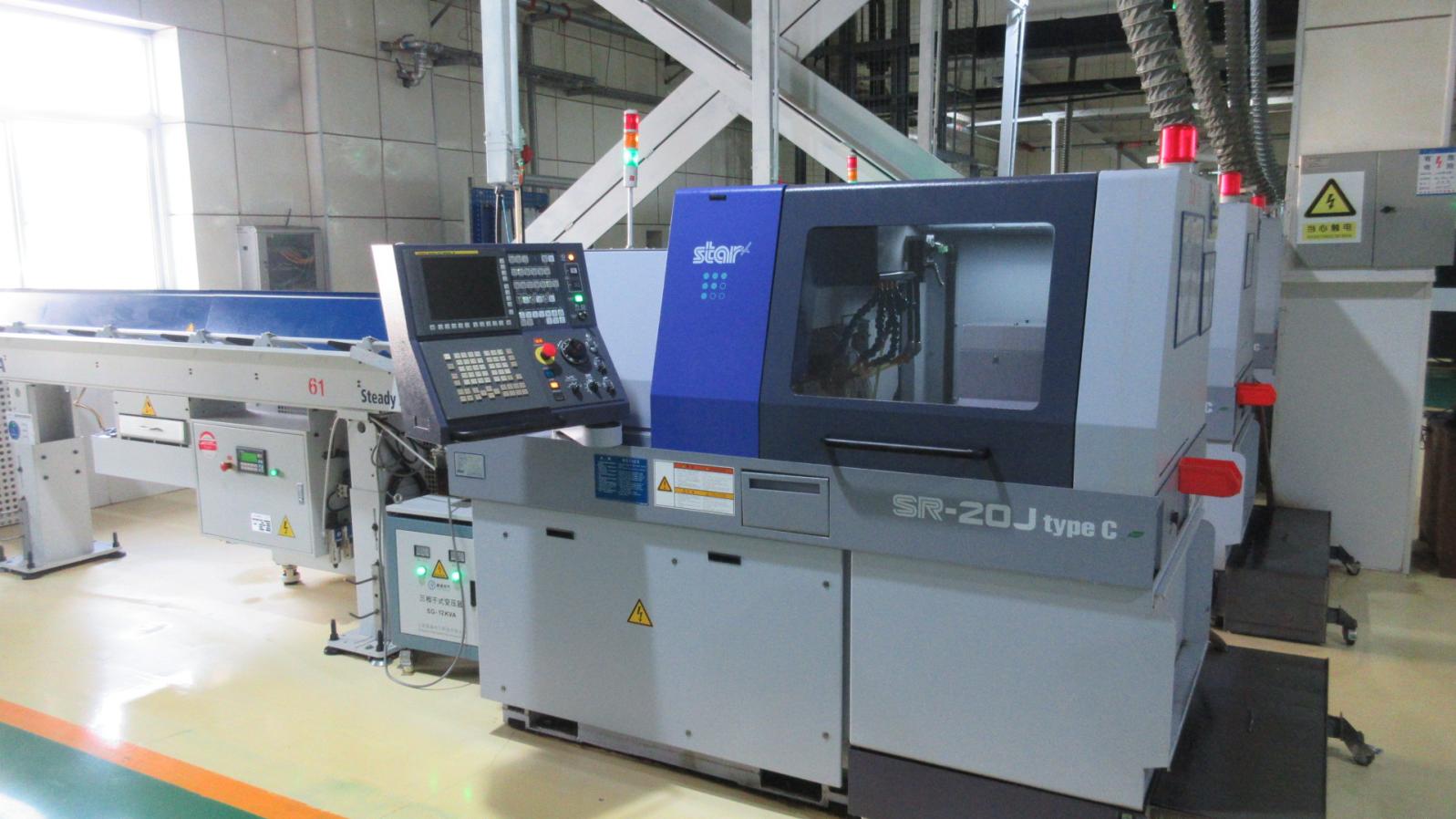
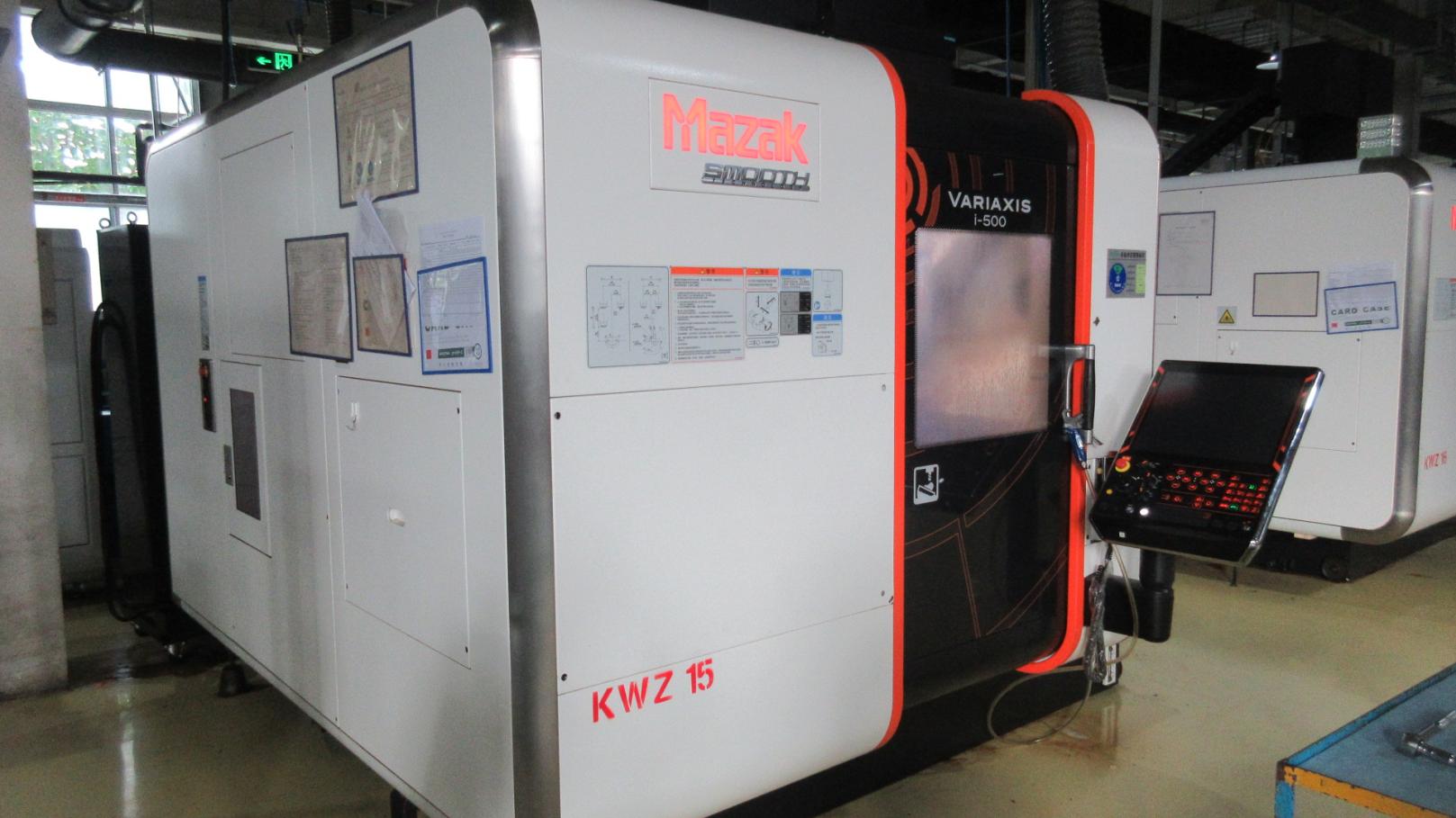
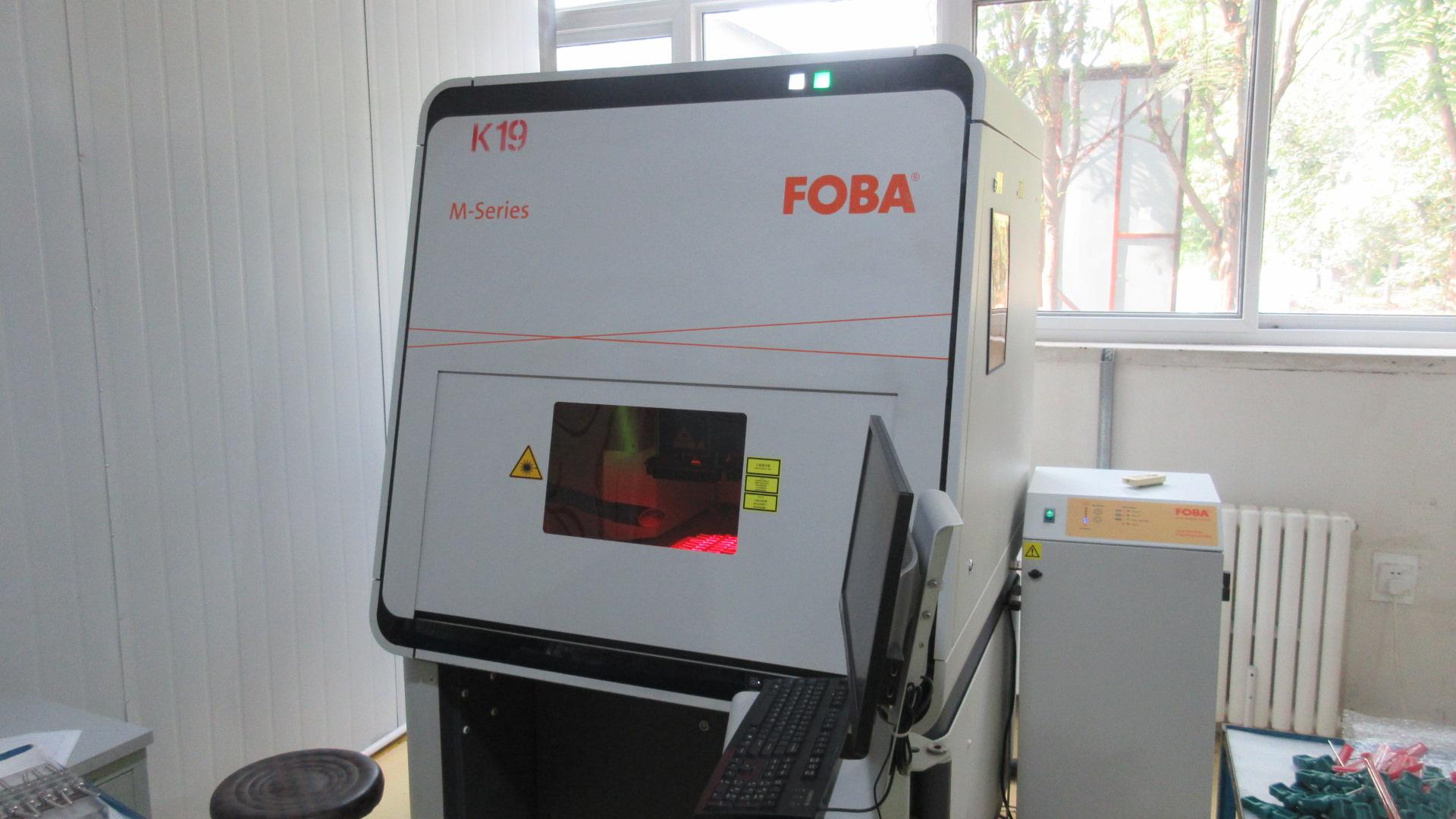
Established in 1996, our enterprise has operated at the frontier of orthopaedic implant manufacturing and clinical digital system support. Over nearly three decades, we have continuously scaled our design workflows and technological footprint. Operating from our advanced 10,000 square meter facility, we ensure that every system—whether a physical titanium pedicle screw or an OEM pre-operative digital module—is produced, documented, and delivered under strict international standards.

Our technical execution relies on robust quality management, backed by ISO 13485 certification. With 102 state-of-the-art production machines, 15 dedicated QA/QC inspectors executing inspection protocols across all manufacturing lines, and a high-caliber R&D team comprising 20 engineers (including 15 graduate specialists), we deliver reliable support for global export markets.

1996
Established Year
10,000㎡
Production Area
508K+
Annual Output Units
102
Production Machines

Regulatory & Quality Management

Quality Certification ISO 13485 / CE / ISO9001
Product Inspections 100% Inspection of All Batches
QC Personnel 15 Dedicated Inspectors
Traceability Complete Raw Material Traceability

OEM/ODM Customization & Export

Customization Options Sample, Graphics, & On-Demand Design
R&D Engineers 20 Engineers (15 Graduate Level)
Primary Markets Domestic (40%), Eastern Europe (15%), SEA (10%)
Supply Chain Partners 70 Active Global Partners

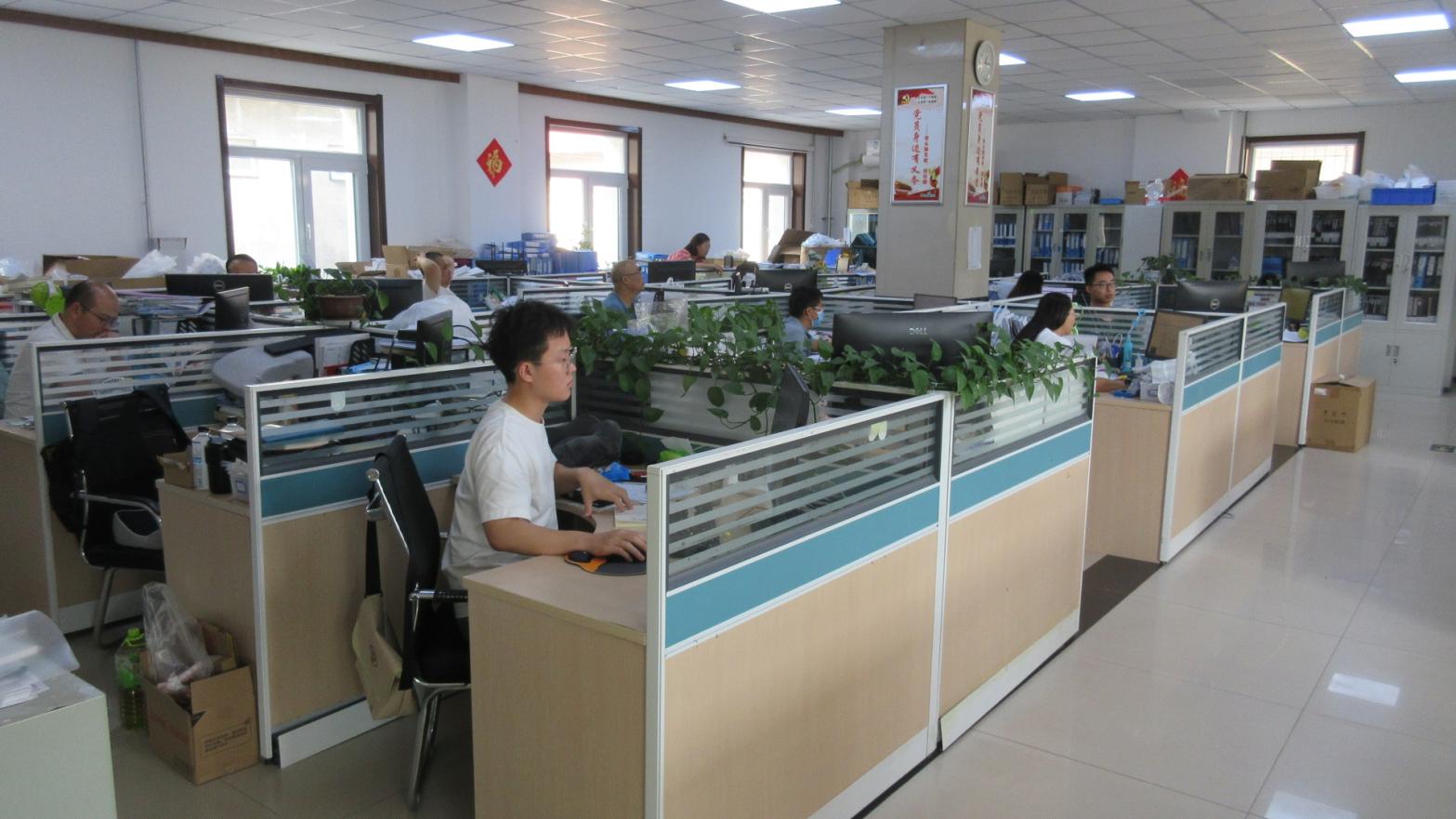
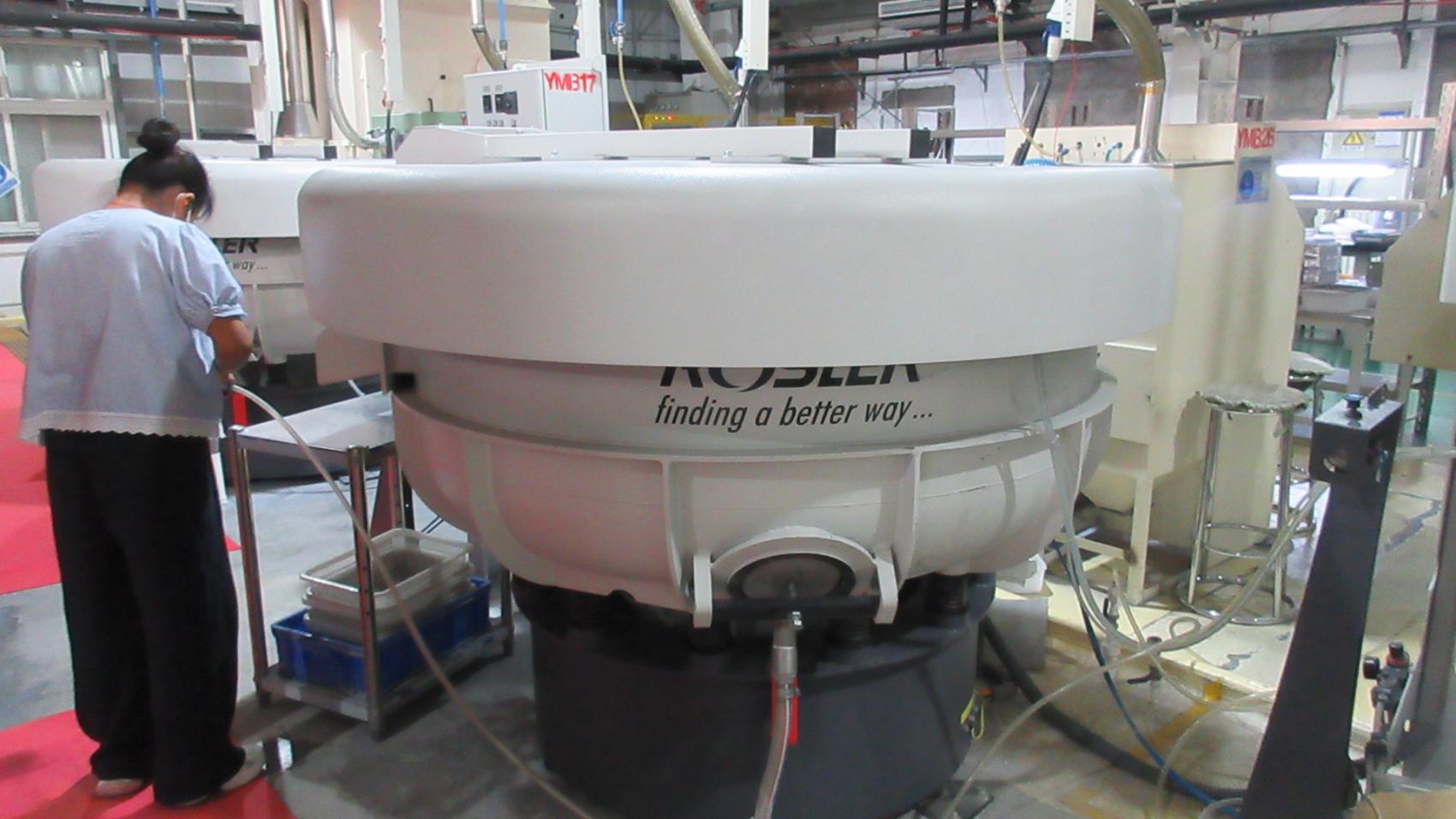
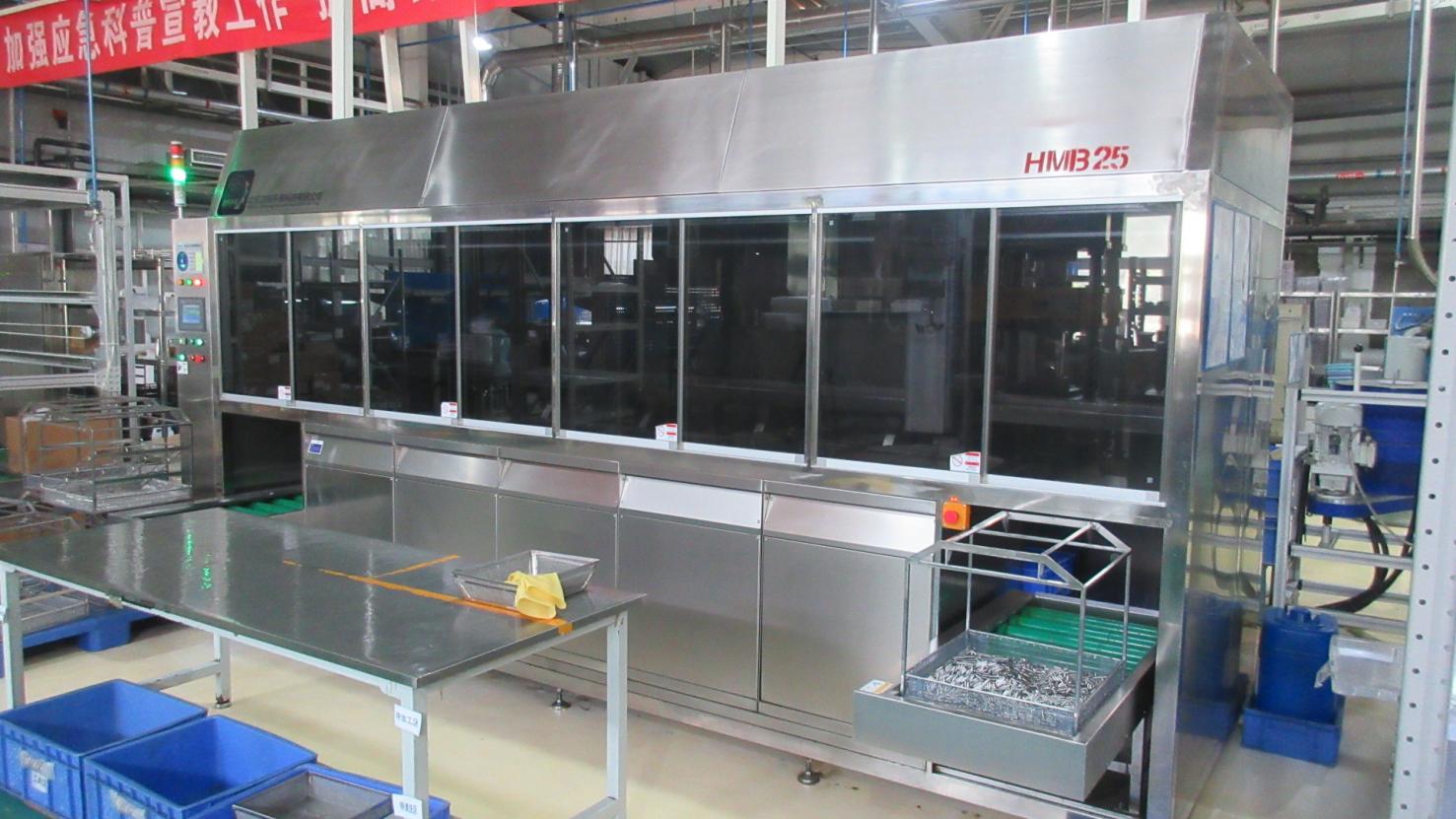
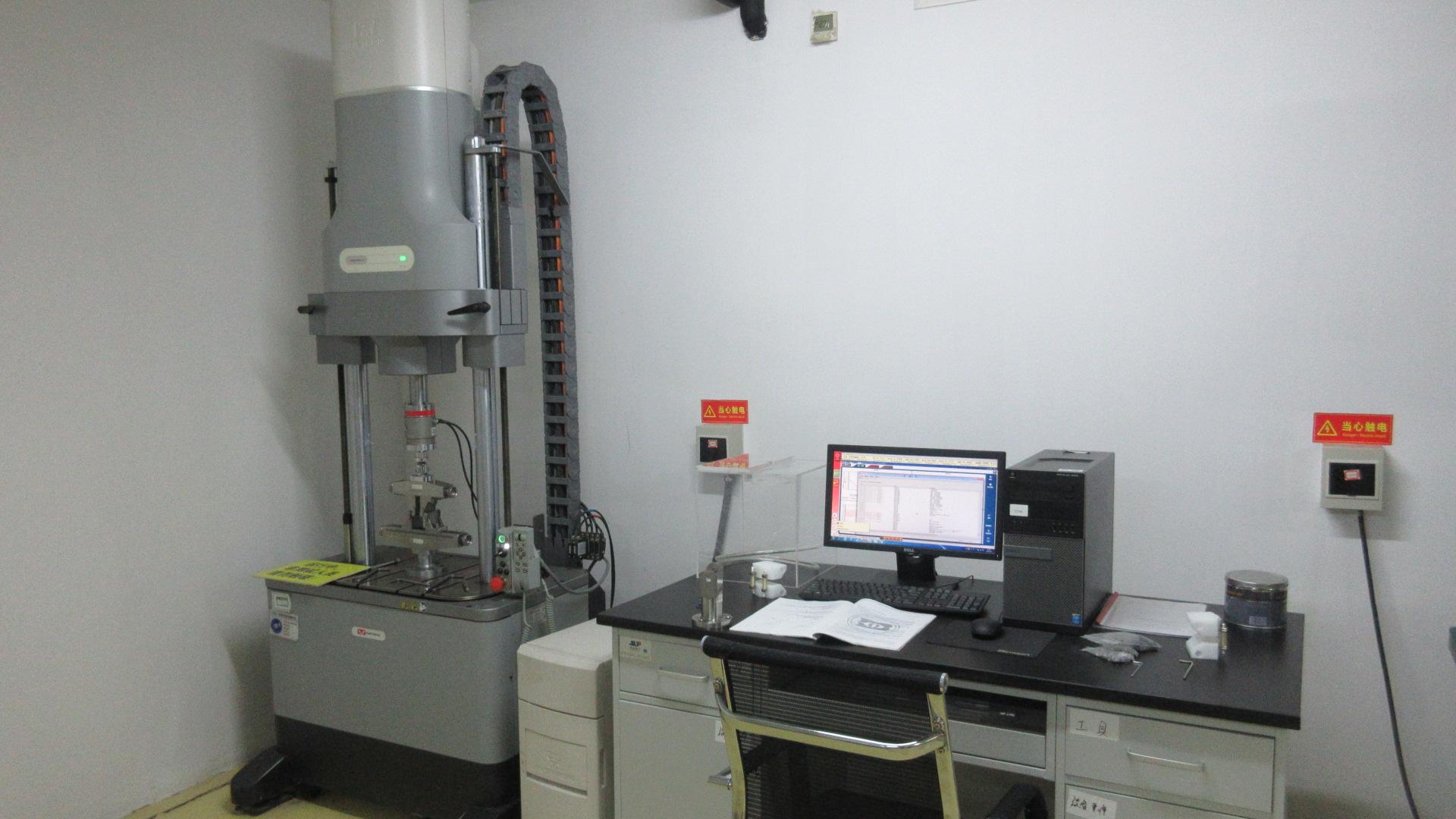
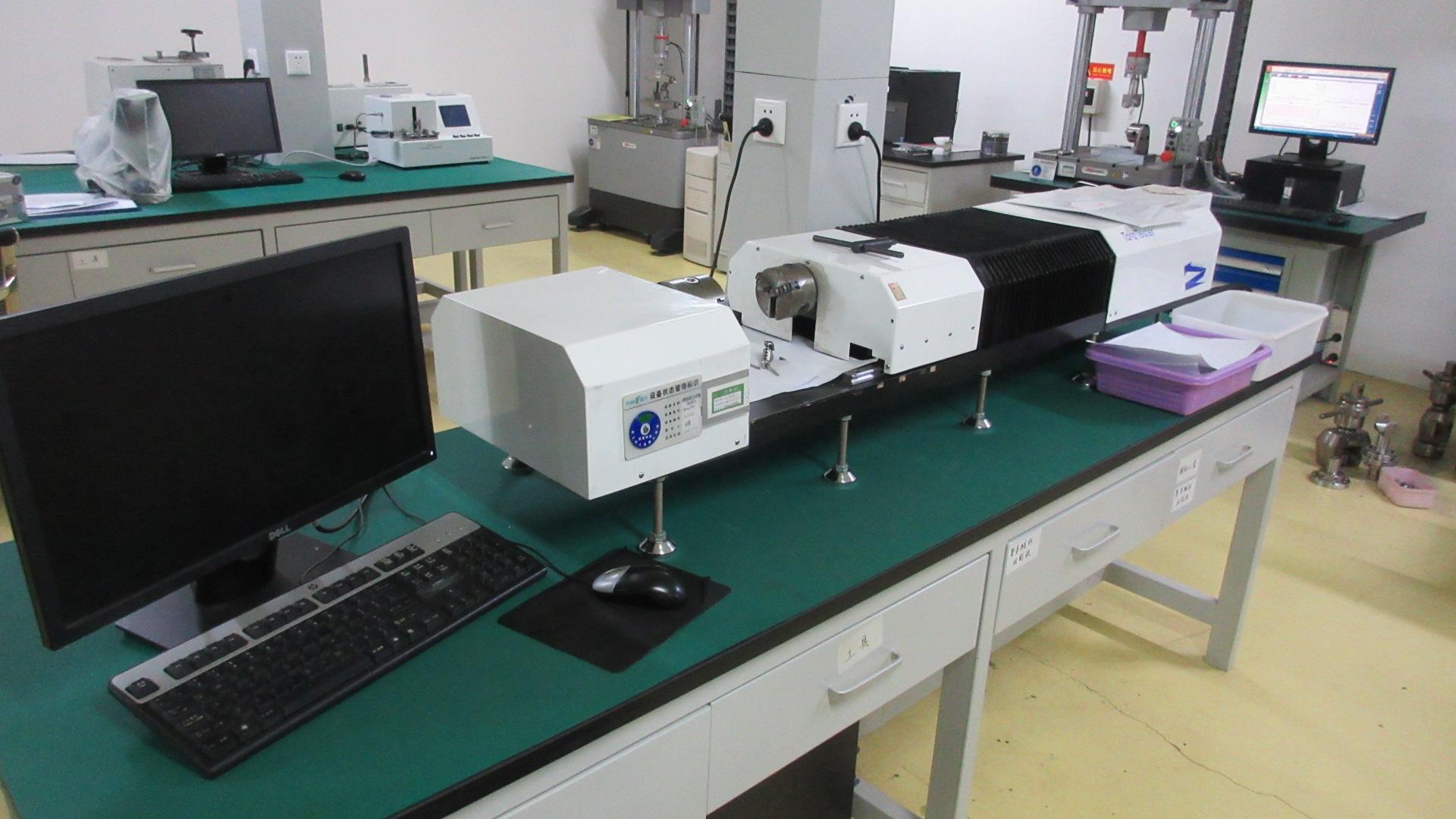
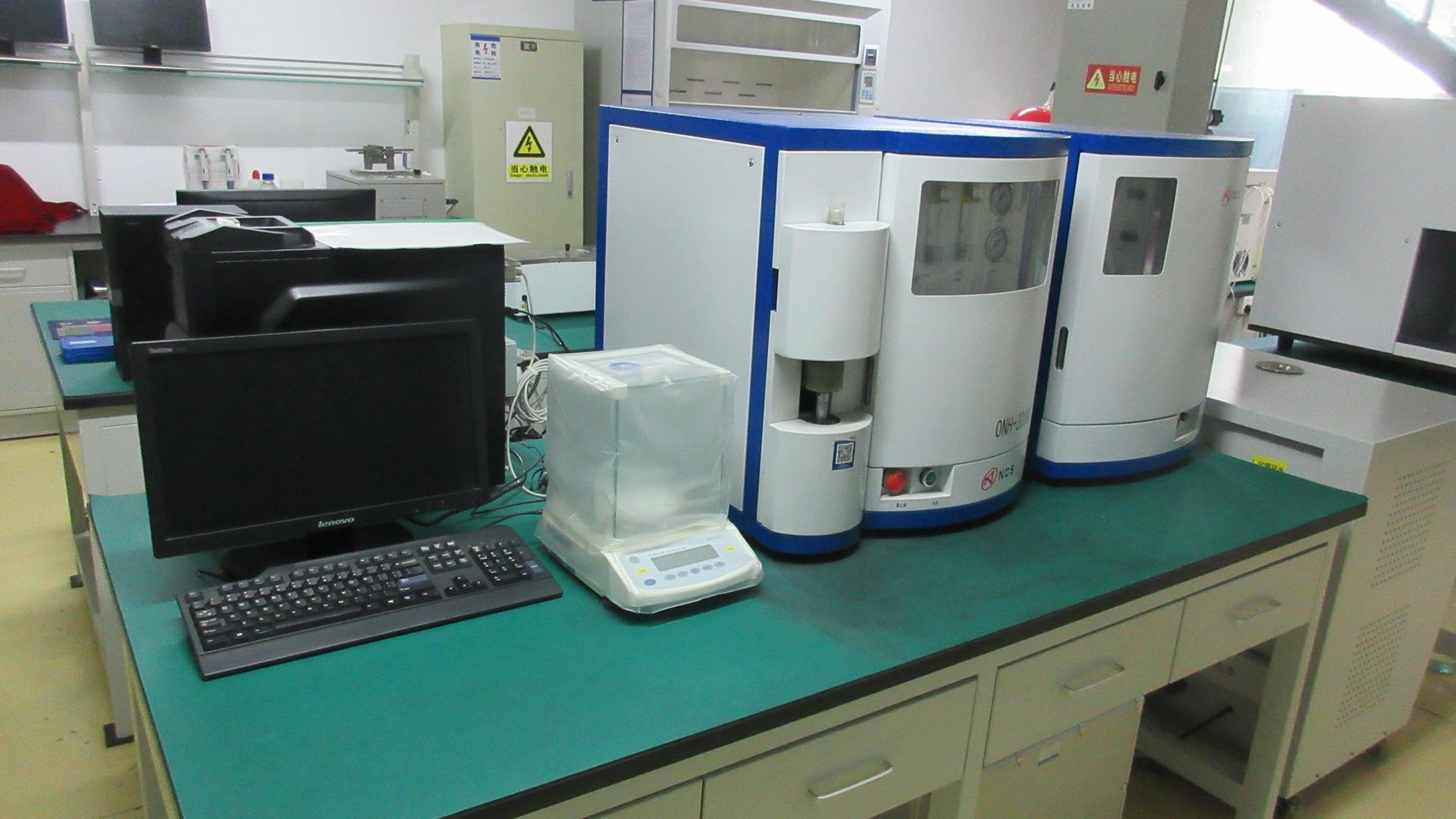
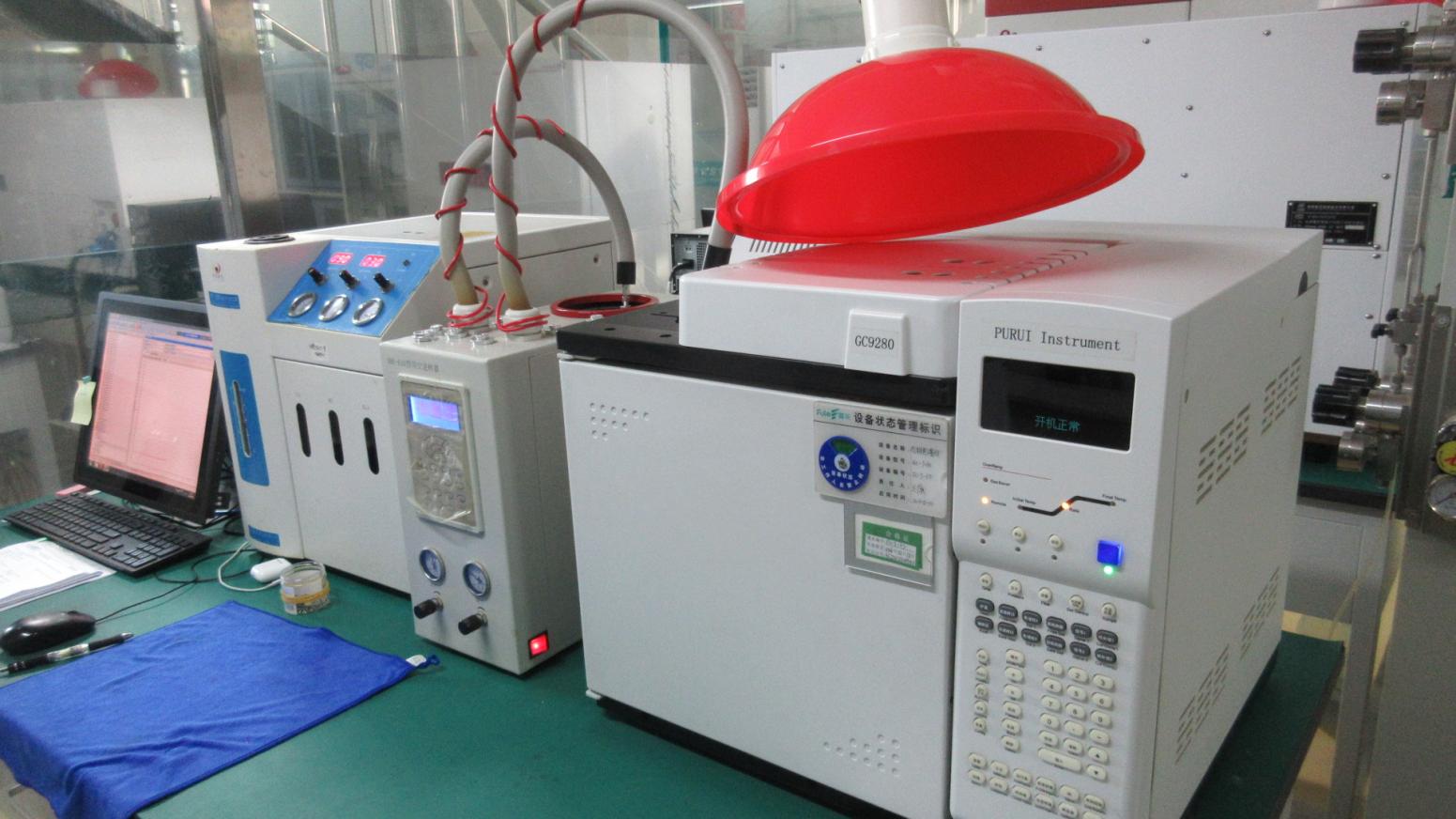
Smart Facility & Precision Manufacturing In-House Gallery

A visual showcase of our advanced production lines, testing centers, and cleanroom facilities

Local Support, Global Compliance & Future Software Paradigms

Deploying software in clinical settings requires strict adherence to regional regulatory frameworks. In the European Union, software containing diagnostic or planning capability must comply with the Medical Device Regulation (MDR 2017/745) as Class IIa or Class IIb software. In the United States, FDA guidelines classify surgical planning software as Class II medical devices requiring 510(k) clearance.

To support our global distributors and partners, we offer custom development services designed to integrate localized clinical requirements directly into the software interface. This includes multi-language localization (English, Spanish, French, Russian, Vietnamese, etc.), compatibility with regional PACS networks, and customizable DICOM tag routing policies to ensure compliance with regional health information exchanges (HIEs).

Next-Generation Tech Roadmap: AI & Cloud Integration

The future of surgical execution lies in cloud-connected ecosystems. Our R&D pipeline is focused on three key areas:

  • Automated Image Annotation: Deep-learning models trained on thousands of clinical datasets to identify and segment spinal pathologies, automatically calculating parameters such as Cobb angles.
  • Web-Based Interoperability: Zero-footprint web viewers that run on standard browsers without local installation, enabling surgeons to review surgical plans from any device.
  • AR/VR Interface Support: Generating optimized stereolithography and point cloud data to output directly to surgical navigation systems and smart headsets during live procedures.

Advanced Surgical Fixation Systems

Premium trauma, spinal, and reconstructive hardware designed for demanding surgical workflows

Wholesale VSSII Titanium Spine Implants

Wholesale Fule High Quality VSSII 85mm Extended Arm Minimally Invasive System Titanium Implantable Artificial Organs for Spine

Explore Details
Ankle Plate Implant

CE Marked Ankle Plate Implant China Manufactured for Calcaneal and Distal Tibia Fracture Interventional Fixation

Explore Details
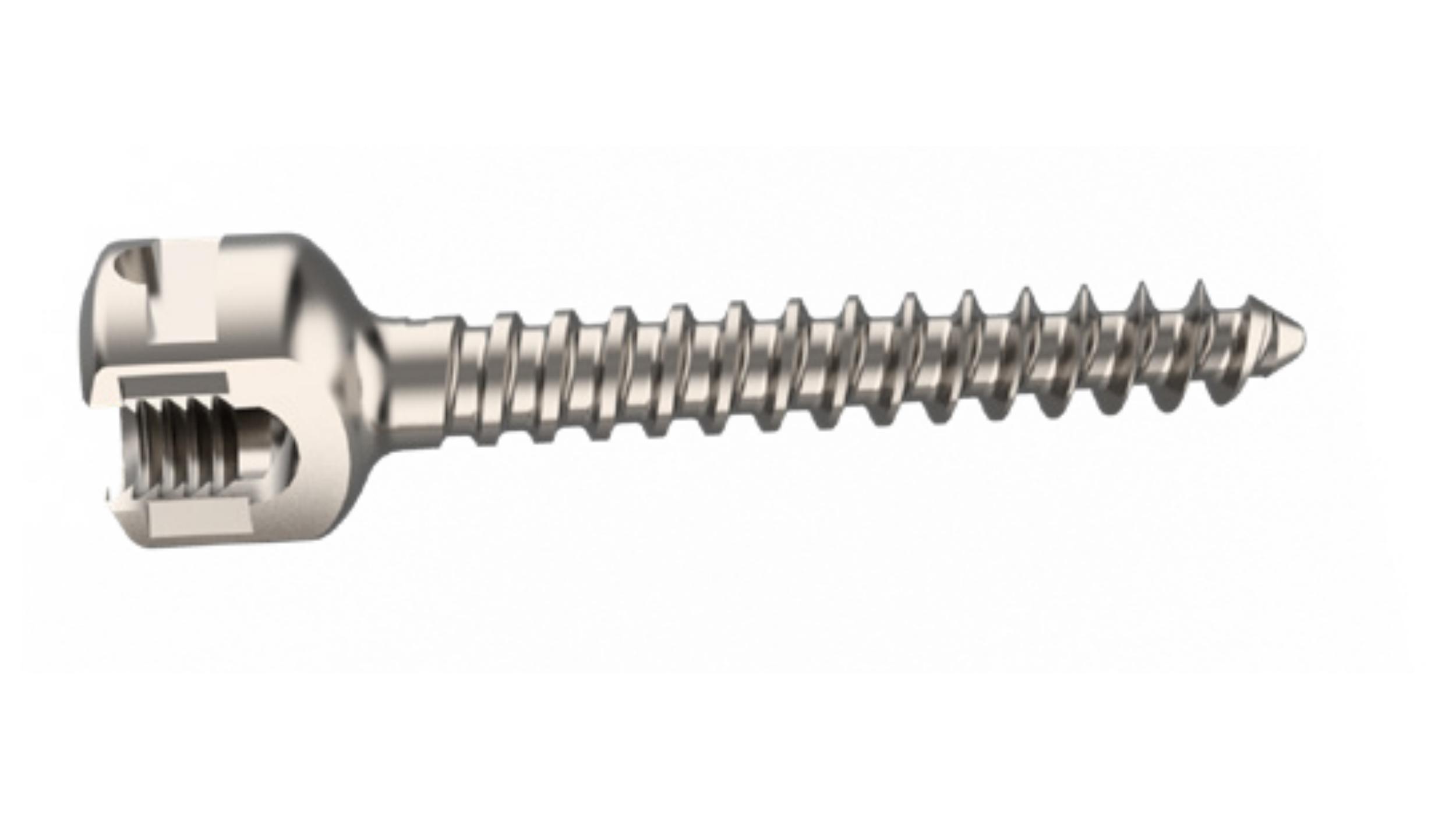
COX Pedicle Screw-Rod System

Competitive Price CE Marked 6.0 COX Pedicle Screw-Rod System, COX II Polyaxial Pedicle Screw

Explore Details
Titanium Anatomic Plate System

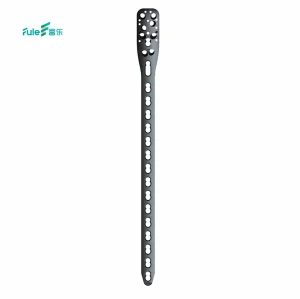
CE Marked Titanium Straight&Anatomic Plate System Femoral 4.5 Limited Contact Wide Implant Orthopedic Trauma Surgery

Explore Details
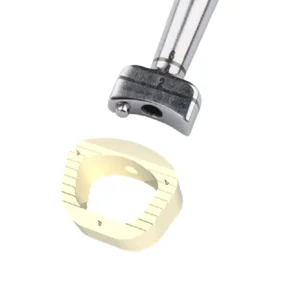
Premium Anterior Cervical Cage Implant

Premium Anterior Cervical Cage Implant Minimally Invasive Medical Product From China Surgical Intervention Titanium Material

Explore Details
Sterile Balloon Expansion Pressure Pump

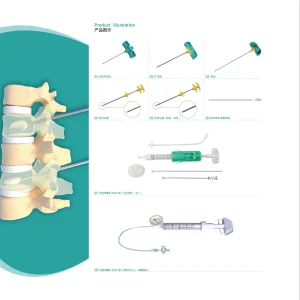
FULE Sterile Balloon Expansion Pressure Pump Key Instrument the Basis of Surgical Instruments for Orthopedic Surgery

Explore Details
Titanium Implants for Orthopedic Surgery

Hot-Selling New Generation Titanium Implants for Orthopedic Surgery Minimally Invasive Ready-Made Fata Combination

Explore Details
Titanium Alloy Humeral Intramedullary Nail

High Quality Titanium Alloy Implantable EHN Humeral Intramedullary Nail on Sale

Explore Details

Expert Q&A: Custom OEM Software & Implant Integration

Addressing core technical, clinical, and regulatory inquiries from procurement partners and software distributors

How does your OEM software communicate with clinical PACS networks?
Our software integrates fully compliant DICOM networking protocols, including C-STORE, C-FIND, and C-MOVE. It functions as a standard DICOM node within a local area network or a secure cloud server, enabling direct pull requests from hospital archives. We support encrypted TCP transfer protocols and standard SSL/TLS tunnels to maintain patient data security during transit.
What raw medical image formats are supported for 3D reconstruction?
The processing core supports standard multi-frame DICOM directories (.dcm files) from CT, CBCT, MRI, and micro-CT scanners. It handles voxel arrays with isotropic or anisotropic spacing, converting axial image stacks into accurate polygonal meshes (STL, OBJ, or PLY format) ready for finite element analysis (FEA) or 3D printing.
How do you guarantee quality control and regulatory compliance for physical implants?
Operating under an ISO 13485-certified quality management system, we enforce 100% inspection across all production runs. Our QA/QC department features 15 certified inspectors equipped with optical comparators, coordinate measuring machines (CMMs), and surface finish profilometers. Materials undergo strict chemical verification, ensuring all titanium spinal plates and cages exceed the requirements of ASTM F136 standards.
What customization options do you provide for surgical hardware?
We provide comprehensive OEM and ODM support, including sample processing, graphical blueprint design, and patient-specific implant CAD adaptation. Our R&D team works directly with client engineers to modify geometry, surface structures (e.g., porous titanium lattice for bone ingrowth), and dimensions for spinal fusion cages, pedicle screw configurations, and trauma plating systems.
What is the typical lead time for custom software deployment?
Typical integration cycles depend on custom modules. Basic customization (such as UI translation, interface branding, and local database setup) is usually completed within 6 to 8 weeks. Deep functional changes (such as integrating new surgical planning templates or custom automated segmentation engines) require about 3 to 6 months, including verification, validation, and compliance testing.