Choosing the right Emergency Medical Services Equipment is crucial for effective emergency response. The equipment used can significantly impact patient outcomes. With so many options on the market, making an informed choice is vital.
Paramedics and healthcare professionals must consider multiple factors when selecting equipment. Reliability and durability are paramount since these tools encounter tough conditions. Equipment that fails during a critical moment can lead to dire consequences. Additionally, it is essential to ensure compatibility with existing systems. This can streamline operations in high-pressure situations and improve efficiency.
Budget constraints can complicate the selection process. While it may be tempting to opt for lower-cost options, quality should never be compromised. Inadequate equipment can create challenges that might hinder lifesaving efforts. Therefore, striking a balance between cost and quality is essential. By focusing on sustainable choices, emergency services can better prepare for the unexpected.
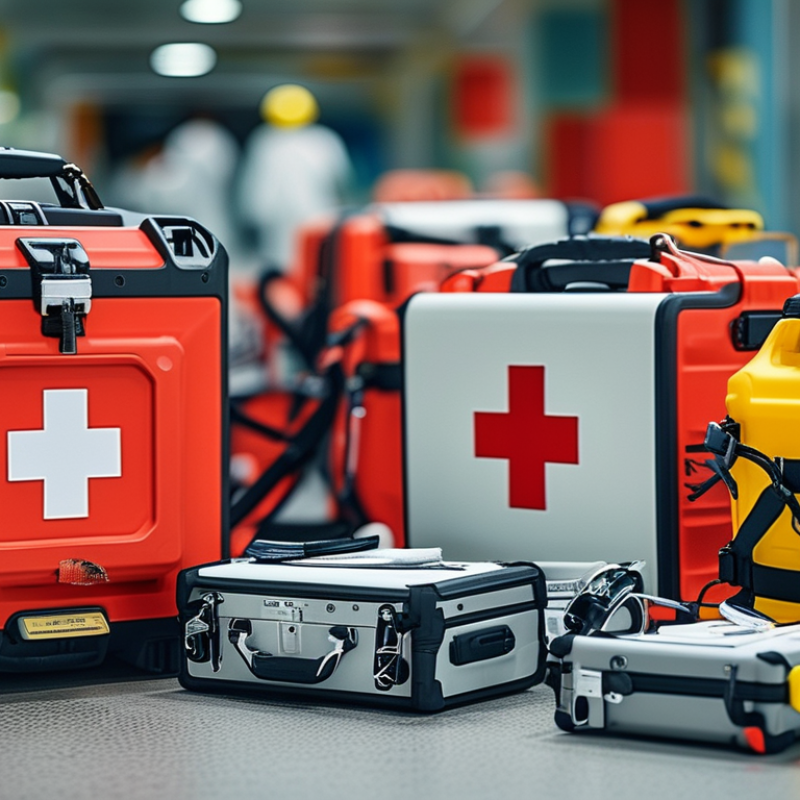
Choosing the right emergency medical services equipment is crucial for effective patient care. Various types of equipment serve different functions, from basic life support to advanced trauma care. Understanding these distinctions can make a significant impact in emergencies.
Basic life support (BLS) equipment includes items like automated external defibrillators (AEDs) and oxygen delivery systems. AEDs can quickly restore heart rhythm in cardiac arrest situations. Oxygen delivery systems ensure patients receive adequate oxygen. Having these tools accessible is vital for improving survival chances in critical moments.
Advanced life support (ALS) equipment encompasses items like intubation kits and cardiac monitors. These devices require trained personnel to operate effectively. Therefore, regular training sessions are essential. While equipment is important, the skills of first responders can sometimes be overlooked.
Consider equipment durability and ease of transport. Items that are lightweight yet sturdy can make a difference during an emergency. Always assess the condition of your team’s equipment regularly. Reflecting on past emergencies can identify areas for improvement in both equipment selection and training frequency. Prioritizing quality can lead to better outcomes when it counts the most.
Assessing the specific needs of your emergency medical services (EMS) team is crucial for effective response. Understanding the unique demands of your community can guide equipment selection. According to a recent report from the National Association of Emergency Medical Technicians, 75% of EMS teams indicated that customized equipment is essential for operational efficiency. This highlights the importance of tailored solutions rather than generic kits.
Evaluate factors like the local geography, population size, and prevalent medical emergencies. For example, urban teams may require different tools than rural teams. Data suggests that urban areas experience more trauma cases, while rural teams often handle more medical emergencies. Each setting has distinct needs that can dictate the type and amount of equipment required.
Consider investing in versatile tools that can serve multiple functions. This approach not only optimizes space but can also improve response times. Engaging team members in the assessment process can provide valuable insights. They often have firsthand experience with what works and what doesn't. Regular training and feedback sessions can also highlight equipment performance. Reflecting on past incidents and learning from them can refine the selections. Prioritizing adaptability and utility can significantly elevate your EMS team's readiness and effectiveness.
When considering emergency medical services equipment, quality and durability are paramount. High-quality equipment can save lives. Don't overlook the materials and construction methods used in these products. Often, equipment made from robust materials withstands the rigors of emergency situations better. Look for items that meet or exceed industry standards. Testing and certifications play a crucial role in establishing the reliability of medical equipment.
Durability is not just about strength. Consider how equipment performs over time. Frequent use can lead to wear and tear. Regular maintenance is essential, but you need tools that endure heavy use without failure. Equipment should also function under various environmental conditions, like extreme temperatures or wet environments. Reflect on your choices. Sometimes the most expensive option isn’t always the best. Assess your unique needs before making a decision.
User feedback can provide insights into equipment performance. Seek reviews or testimonials from trusted sources. However, be wary of overly optimistic claims. There's often a gap between expectations and reality. Balancing quality with budget constraints is challenging. Make informed decisions while ensuring that you prioritize the safety and efficiency of emergency services. Every detail matters when it comes to life-saving equipment.
| Equipment Type | Quality Rating | Durability Rating | Average Lifespan (Years) | Maintenance Frequency (Years) |
|---|---|---|---|---|
| Automated External Defibrillator (AED) | 4.8/5 | 4.5/5 | 7 | 2 |
| Portable Suction Unit | 4.5/5 | 4.3/5 | 5 | 1 |
| Trauma Bag | 4.6/5 | 4.4/5 | 6 | 2 |
| Oxygen Supply Kit | 4.7/5 | 4.6/5 | 10 | 3 |
| Emergency Medical Responder Kit | 4.4/5 | 4.2/5 | 4 | 1 |
Budgeting for emergency medical services (EMS) equipment purchases is crucial for effective response and patient care. A survey by the National Association of Emergency Medical Technicians indicates that approximately 80% of EMS agencies struggle with limited budgets. Understanding your local needs can help prioritize purchases and allocate funds wisely.
Consider conducting a cost-benefit analysis when selecting equipment. It's important to compare initial costs with long-term benefits. Look at durability and maintenance expenses. For example, an automatic stretcher may have higher upfront costs but improve patient safety and reduce physical strain on staff over time. The average lifespan of EMS equipment is around five years, making upfront research crucial.
Evaluate options within your price range, focusing on essential needs first. Invest in equipment that meets the most urgent demands. Sometimes, quality matters more than quantity. Utilizing grants or community fundraising can supplement budget constraints. Learn from past procurement decisions, as overspending on non-essential items can hinder critical advancements.
Staying up to date with innovations in emergency medical services (EMS) technology is crucial. New advancements can significantly enhance patient care and optimize response times. For instance, portable ultrasound devices now allow paramedics to make on-the-spot assessments. This can facilitate quicker decisions about patient transport and treatment. However, staff training on these technologies is often inconsistent, leading to gaps in knowledge.
Mobile applications that help track response times have emerged, providing real-time data for EMTs. These tools can identify delays and offer suggestions for improvement. Yet, the integration of technology presents challenges. Some teams may resist adopting new systems due to concerns about usability. It’s important to gather feedback from users to address these concerns.
Telemedicine is another area where EMS has seen tremendous growth. Physicians can offer vital guidance during emergencies, enhancing care on-site. However, reliance on technology can sometimes hinder hands-on skills. Continuous education should balance tech use with traditional training methods. EMS providers must stay informed and adaptable to ensure optimal outcomes for their patients.
: BLS equipment includes tools like automated external defibrillators and oxygen delivery systems. These are vital for emergencies.
ALS equipment requires trained personnel. Regular training sessions are essential to ensure effective use during critical situations.
Evaluate local geography and population size. Consider prevalent medical emergencies. Tailored equipment improves operational efficiency.
Urban teams may need trauma tools. Rural teams might focus on medical emergencies. Each setting has unique requirements.
Versatile tools save space and improve response times. They can serve multiple functions, increasing team efficiency.
Inconsistent staff training can create knowledge gaps. Some team members may resist adopting new systems due to usability concerns.
Telemedicine allows on-site physicians to provide guidance. This can improve patient care, but reliance on tech may hinder hands-on skills.
Feedback helps identify what works and what doesn’t. It also highlights areas for improvement, refining future equipment selection.
Continuous education is crucial. Balance new technologies with traditional methods to ensure comprehensive skill development.
Reflect on past incidents. Regular assessments can highlight areas for improvement in both equipment and training effectiveness.
When selecting the best Emergency Medical Services Equipment, it is crucial to understand the various types available and assess the specific needs of your EMS team. Different situations may require specialized equipment, and understanding these requirements will help in making informed decisions. Additionally, evaluating the quality and durability of the equipment is essential to ensure reliability in critical situations.
Budgeting for Emergency Medical Services Equipment purchases is another important aspect to consider, as it ensures that your team can acquire the necessary tools without compromising on quality. Furthermore, staying updated on innovations in Emergency Medical Services technology will guarantee that your team is equipped with the latest advancements, ultimately enhancing the effectiveness of emergency response efforts.

Fule