Why Buy Smart Medical Devices for Healthcare?

Time:2026-09-06 Author:Isabella
0%

Healthcare decisions increasingly happen beside connected monitors, handheld scanners, and home-based sensors. Smart Medical Devices can turn scattered readings into usable clinical information. A pulse oximeter may flag falling oxygen levels before severe breathlessness appears. A glucose monitor can reveal patterns between appointments. These details support earlier conversations, clearer records, and more personalized care. They do not replace clinical judgment.

The strongest reason to buy these devices is not novelty. It is measurable value. Hospitals and clinics should examine accuracy, validation studies, durability, data encryption, and staff training. A reliable blood-pressure monitor should perform consistently after repeated use, not only during a product demonstration. Procurement teams should also check compatibility with existing electronic health records. Poor integration creates duplicate work. Sometimes, it creates confusion. Independent testing and recognized regulatory clearance can strengthen purchasing decisions, but they are not the entire answer.

Practical experience matters, too. A device may work well technically yet frustrate nurses with complicated menus. An older patient may abandon a wearable because its charging process feels unclear. Clear instructions, accessible support, and straightforward maintenance can determine real-world success. Clinicians, biomedical engineers, and patients should evaluate the device together. Their perspectives expose weaknesses that specifications often hide. Evidence is still uneven across product categories, and some promised benefits remain uncertain. That deserves honest attention. Buying Smart Medical Devices should therefore mean investing in safer workflows, useful data, and sustainable care—not simply adding more technology.
Why Buy Smart Medical Devices for Healthcare?

What Are Smart Medical Devices?

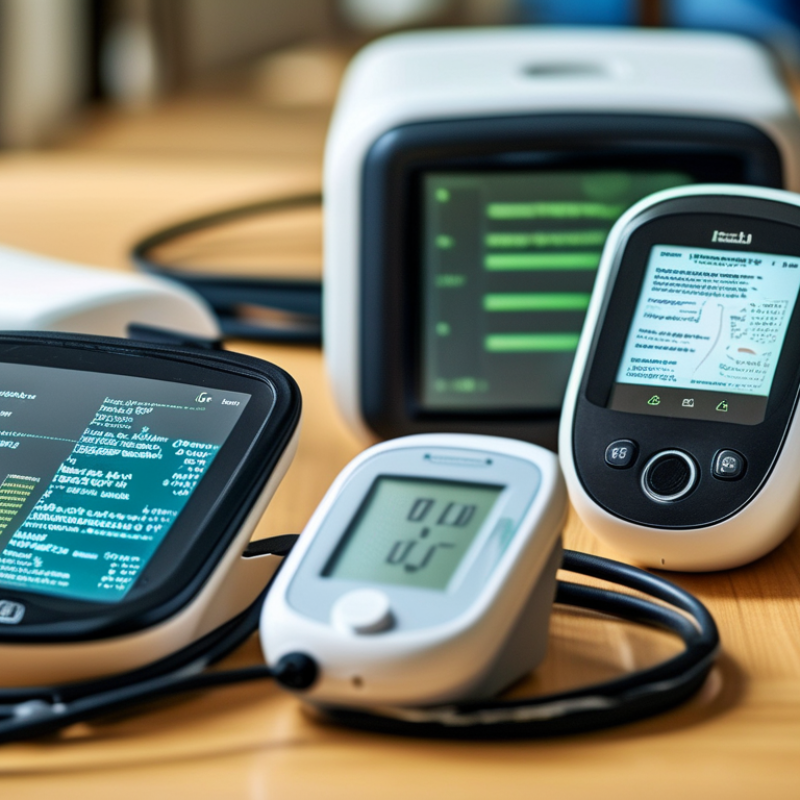
Smart medical devices are healthcare tools that collect, process, and share health information. They may include connected blood pressure monitors, wearable heart sensors, glucose readers, and digital thermometers. Small sensors capture measurements such as pulse, temperature, movement, or oxygen levels. Software then turns those readings into useful records or alerts.

The value is not simply the device’s ability to connect online. A home blood pressure monitor can store morning readings, display trends, and send results to a care team. A wearable sensor may notice unusual heart activity during exercise or sleep. These details can help clinicians ask better questions during an appointment. They can also help patients understand how daily habits affect their health. That matters.

Reliable use requires more than convenient features. The device should have clear instructions, secure data handling, and evidence supporting its intended purpose. Health professionals must also consider measurement accuracy, user ability, and maintenance needs. A poorly placed sensor can produce misleading results. Not always.

Smart devices still have limits. A warning is not a diagnosis, and a normal reading cannot rule out every health problem. Users may forget to charge equipment, misunderstand an alert, or enter incorrect information. I think this is where healthcare providers remain essential. Smart technology can support observation and communication, but it should not replace professional judgment, patient consent, or appropriate medical evaluation.

How Smart Medical Devices Work in Healthcare

Why Buy Smart Medical Devices for Healthcare?

Smart medical devices work by collecting measurable health data through sensors. A wearable monitor may track heart rate, oxygen levels, temperature, or movement. A connected blood pressure device can send readings to a secure clinical dashboard. Healthcare professionals then review patterns instead of relying on one isolated measurement. In practice, this can support earlier attention when a patient’s condition changes. The process is not magical, and it is not flawless. Sensor placement, movement, and poor connectivity can affect accuracy.

Most devices use software to organize readings, identify unusual changes, and create alerts. These alerts should support clinical judgment, not replace it. A nurse may compare an alert with the patient’s symptoms, medication history, and recent observations. Secure data transfer and access controls are essential because medical information is highly sensitive. Devices also need proper validation, calibration, staff training, and regular maintenance. Without these steps, impressive technology may create confusion instead of better care.

Tips: Choose devices with clear clinical evidence and understandable instructions. Test data accuracy under realistic conditions, including movement and weak connections. Train staff to check alerts calmly and document decisions. Review false alarms regularly. Too many warnings can cause fatigue. Patients should also know what the device measures, when to remove it, and whom to contact when readings seem wrong.

What Benefits Do Smart Medical Devices Provide?

Smart medical devices provide continuous, practical support for patients and healthcare professionals. A wearable monitor can track heart rate, oxygen levels, temperature, or movement throughout the day. This information may reveal changes that a short clinic visit misses. Timely alerts can help care teams respond earlier when readings move outside a patient’s normal range.

These devices also improve communication. Patients can share measurements from home instead of traveling for every routine check. Clinicians can review trends, compare symptoms, and adjust care plans with better context. Medication reminders and connected measurement tools may support treatment adherence, especially for older adults or people managing long-term conditions. Clear dashboards can reduce paperwork and leave more time for direct patient care. Small improvements matter.

However, smart technology is not automatically reliable. False alarms can cause anxiety, while poor connectivity may interrupt monitoring. A device can also collect more data than a busy clinical team can reasonably review. I have found that simple instructions, careful calibration, and staff training often matter as much as advanced features. Healthcare organizations should assess clinical evidence, data protection, interoperability, and maintenance before purchasing. Independent validation and transparent performance limits deserve close attention. A device should support professional judgment, not replace it.

Which Healthcare Needs Can Smart Medical Devices Address?

Smart medical devices can address practical healthcare needs beyond the clinic. Wearable monitors can track heart rate, blood oxygen, temperature, sleep, and movement at home. Connected glucose meters can reveal patterns between appointments. This matters because the World Health Organization reports that noncommunicable diseases caused 74% of global deaths in 2021. Regular data may help clinicians notice worsening conditions earlier. It can also reduce unnecessary travel for older adults and patients in rural areas.

Remote monitoring supports care after surgery, during pregnancy, and throughout chronic disease management. A blood-pressure device on a kitchen table can show repeated high readings, not just one stressful clinic result. The CDC reports that six in ten adults in the United States have a chronic disease. Smart devices may improve follow-up, but they do not replace clinical judgment. Data can be incomplete. Sensors may slip, batteries may die, and users may misunderstand alerts.

Tips: Choose devices with clinical validation, clear instructions, and secure data practices. Confirm who reviews abnormal readings and how quickly. Keep a simple paper record during the first week. It exposes gaps. Healthcare teams should also check access, affordability, and digital skills before recommending connected tools. A sophisticated device is not useful when a patient cannot charge it, understand it, or trust the data. WHO’s Global Strategy on Digital Health 2020–2025 emphasizes people-centered systems, a useful standard for evaluating these purchases.

What Factors Should Buyers Consider Before Purchasing?

Why Buy Smart Medical Devices for Healthcare?

What Factors Should Buyers Consider Before Purchasing?

When buyers assess smart medical devices, clinical usefulness should come before impressive features. A device must solve a clear problem, such as tracking blood pressure between appointments. In practice, staff need readings they can trust and review quickly. Ask whether independent studies support the device’s accuracy and safety. Evidence matters.

Check how the device fits existing workflows. Can nurses learn it without lengthy training? Can it exchange data with current medical records through secure, compatible systems? A clever device may create extra work if staff must retype every measurement. During a clinic trial, one team discovered that charging routines were unclear. Several devices were unavailable by morning. Small details can affect patient care.

Buyers should examine data protection, user permissions, maintenance, and technical support. Confirm where information is stored and how access is recorded. Review the total cost, including sensors, software, training, repairs, and future upgrades. Do not judge value by the purchase price alone. Accessibility also matters. A patient with limited vision may struggle with tiny labels or complex screens. Test the device with real users, not only confident employees. No checklist is perfect. I would also request a short pilot period, collect staff feedback, and compare missed alerts with useful alerts. Too many warnings can cause fatigue, which is easy to underestimate.

FAQS

: What are smart medical devices?

: They are healthcare tools that collect, process, and share health information. Small sensors measure pulse, temperature, movement, or oxygen levels. Software turns readings into records or alerts.

Which health measurements can these devices track?

Common measurements include blood pressure, heart rate, glucose, temperature, oxygen levels, sleep, and movement. Some devices monitor activity during exercise or sleep. Details matter.

How can smart devices support care at home?

A home monitor can store morning readings and show changes over time. Care teams may review repeated results between appointments. This can reduce unnecessary travel.

Can these devices help manage long-term health conditions?

Yes, regular readings may reveal patterns between medical appointments. They can support follow-up after surgery or during ongoing condition management. Data may still be incomplete.

What should buyers check before purchasing a device?

Look for clinical evidence, clear instructions, accurate measurements, and secure data handling. Check training, maintenance, technical support, and total costs. Purchase price alone misleads.

How should a device fit into healthcare workflows?

Staff should review readings quickly without retyping every measurement. The device should connect securely with existing record systems when appropriate. A short pilot can expose problems.

What practical problems might users face?

Sensors can slip, batteries can die, and users may enter incorrect information. Small labels or complex screens may challenge people with limited vision. Charging routines are easy to forget.

Can a smart device diagnose a health problem?

No. An alert is not a diagnosis. A normal reading cannot rule out every health problem. Professional evaluation remains necessary.

How should abnormal readings be handled?

Before use, confirm who reviews unusual readings and how quickly. Keep a simple paper record during the first week. It may reveal gaps.

How can buyers avoid alert fatigue?

Compare useful alerts with missed or unnecessary alerts during a trial. Too many warnings may cause people to ignore important messages. This risk deserves more attention.

Conclusion

Smart Medical Devices are connected healthcare tools that use sensors, software, and data analysis to monitor health conditions, support clinical decisions, and improve communication between patients and care teams. They may collect information such as heart rate, blood pressure, glucose levels, activity, or medication patterns, then present useful insights through digital systems. In healthcare settings, these devices can enable continuous monitoring, early detection of changes, more personalized treatment, and better follow-up beyond traditional appointments.

Smart Medical Devices can address needs in preventive care, chronic disease management, home healthcare, rehabilitation, elderly support, and hospital efficiency. However, buyers should carefully evaluate accuracy, reliability, ease of use, data privacy, cybersecurity, compatibility with existing systems, maintenance requirements, and total cost. They should also consider whether users and healthcare professionals can understand the results and receive appropriate support. Choosing a device based on genuine healthcare needs, verified performance, and responsible data practices can lead to safer, more efficient, and more patient-centered care.

Isabella

Isabella

Isabella is a dedicated marketing professional with a sharp focus on driving brand growth and engagement through strategic content creation. With an extensive background in digital marketing, she combines her passion for storytelling with her keen understanding of industry trends to deliver......